Two New Bandicoot Species Came Out of Museum Drawers, Not the Bush
A Western Australian Museum study used old specimens and DNA to name two bandicoot species, one extinct, and found the quenda once lived near Adelaide.

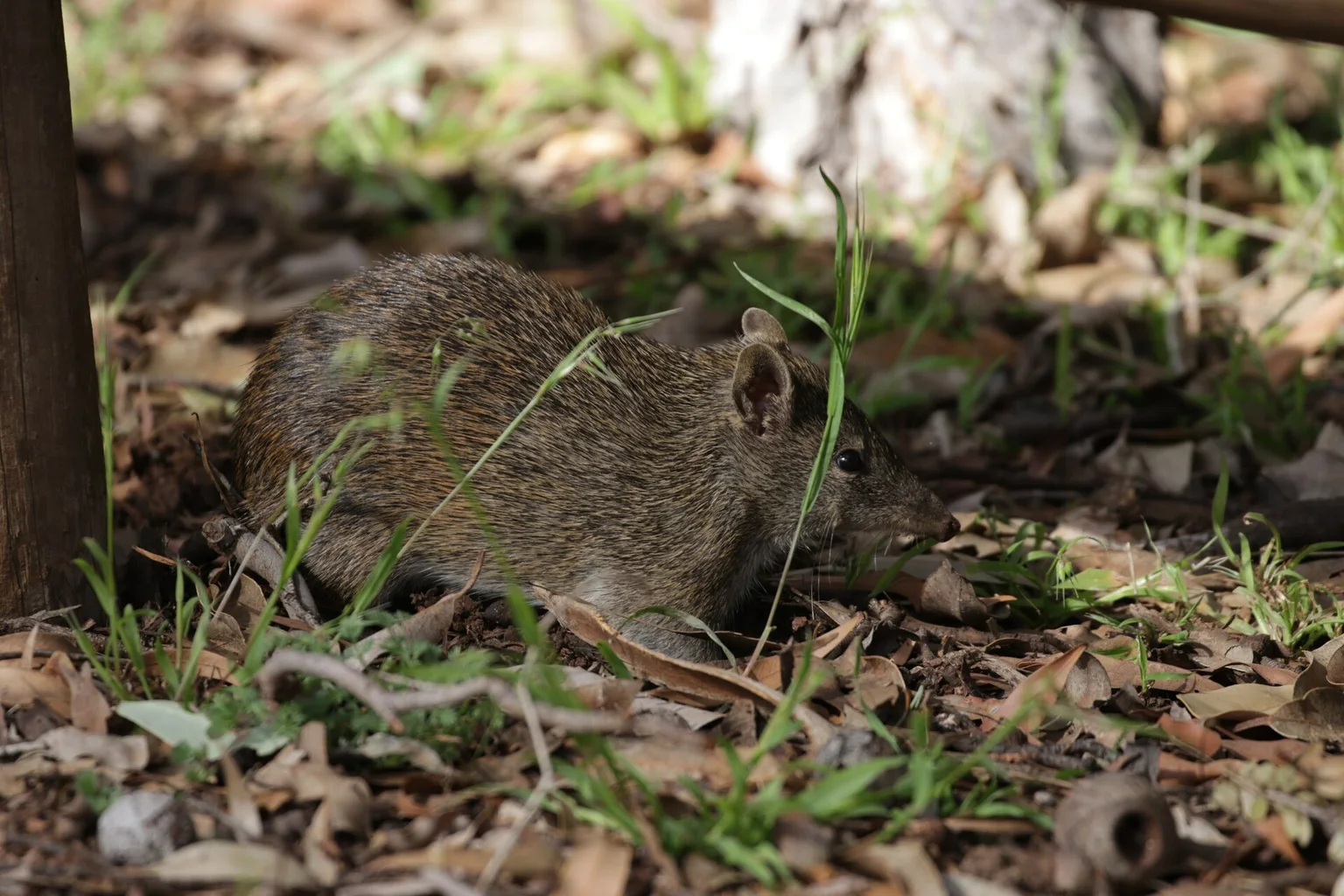
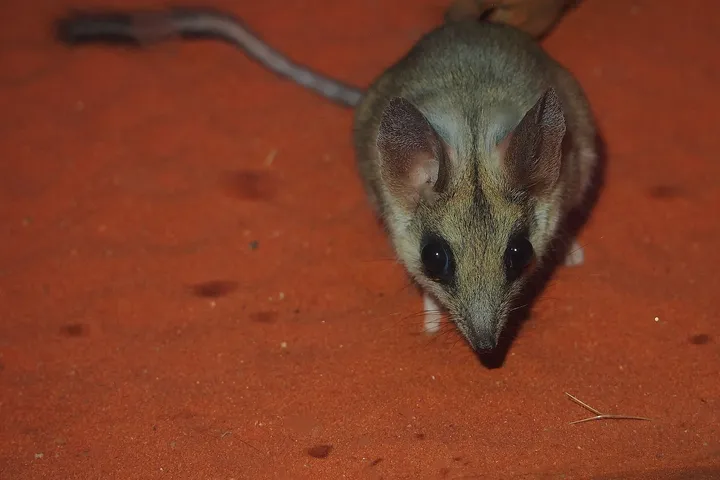
Scientists led by the Western Australian Museum, working with the South Australian Museum, say they have formally recognized two new species of short-nosed bandicoot and described seven new subspecies, the museum announced Oct. 20. One of the species, the Little Brown Bandicoot, has been extinct for around 100 years. The museum says the study also found that the quenda once lived across parts of South Australia.1
The researchers worked from museum drawers, measuring hundreds of historical and modern specimens from collections around the world and running DNA analyses on them.12
How the project grew
The project began in 2016, when Dr Kenny Travouillon, the museum’s terrestrial zoology curator, received a Churchill Fellowship to study more than a century’s worth of Australian bandicoot specimens held in museums in Europe and the US.1
That trip grew into a larger project, funded by the Australian Biological Resources Study, to revise every Australian bandicoot species. This first stage focused on the genus Isoodon, the short-nosed bandicoots.1 Before the study, five living Isoodon species were recognized in Australia and New Guinea.2
The two species, and what “new” means here
Neither is a newly spotted living animal. Both are new to science as formal descriptions:
- The Little Brown Bandicoot (Isoodon microtis) came from South Australia and has been extinct for around 100 years. It is known from old specimens.1
- The New Guinea Brown Bandicoot (Isoodon moresbyensis) was previously treated as a subspecies of the Northern Brown Bandicoot. It has now been promoted to a species of its own.1
“While it is sad that the Little Brown Bandicoot disappeared more than a century ago, recognising its existence helps tell its story and strengthens our efforts to protect the bandicoot species that remain,” Travouillon said in the museum’s announcement.1
The team also described seven new subspecies. There are two for the Golden Bandicoot, four for the quenda and one for the Northern Brown Bandicoot from Cape York.12
The quenda gets a bigger map
The quenda, Western Australia’s native brown bandicoot, was long regarded as a Western Australian species. According to the museum, it also historically occurred around Adelaide, on Kangaroo Island and in the Nuyts Archipelago, which the museum describes as a major eastward extension of its known range.14
South Australia is now recognized, by the research team, as having supported three Isoodon species rather than one: the Southern Brown Bandicoot, the Little Brown Bandicoot and the quenda.12
The wider historical range suggests the quenda may be less threatened than thought, though its South Australian populations remain small and need protection. The news is less comforting for the Southern Brown Bandicoot. It is already endangered, and the researchers say it may be at greater risk than previously recognized.14 The newly recognized distributions and species boundaries may require reassessment of conservation status across several bandicoot groups.1
Publication and next steps
The findings were published in the Australian Journal of Taxonomy under the title “Genetic and morphological reassessment of the genus Isoodon and description of new species and subspecies.” Funding came from the Winston Churchill Memorial Trust, the Australian Biological Resources Study and Bioplatforms Australia, and the Wunambal Gaambera Aboriginal Corporation’s Uunguu Rangers in the Kimberley assisted.1 The study authors also described the work in an article for The Conversation.2
The team now turns to the long-nosed bandicoots, genus Perameles, a group that has already suffered multiple extinctions since European settlement.1
Did this make your day? Give it a cheer.
Sources
- Decade-Long Research Reveals Two New Bandicoot Species and Rewrites Australia's Brown Bandicoot Family Tree. Western Australian Museum (media release), 2026-10-20
- Two new bandicoot species discovered after trawling through museum drawers The Conversation (written by the study authors), 2026-11-01
- Two new bandicoot species discovered after trawling through museum drawers Phys.org (republished from The Conversation), 2026-11-02
- Two new bandicoot species discovered after trawling through museum drawers - Yahoo News Australia Yahoo News Australia (republished from The Conversation), 2026-11-01