It Can Take 13 Years to Name a New Species. This Canyon Just Handed Scientists 57.
Ocean Census says the count still holds, most copepod samples remain unexamined, and turning a discovery into a formal name can take more than a decade.

 10:11
🎬 Watch the film
The World Watched a Starfish. Scientists Found 57 New Species.
Our 10-minute film of this story, with the real footage and the people behind it.
The 57 likely new marine species found in material from Argentina’s Mar del Plata Canyon still stand, and there may be more where they came from. Maya de Paz, Communications Officer at Ocean Census, told Hooray News in an email interview on Oct. 26, 2026, that the totals are unchanged: 57 species and five genera that look new to science, including up to 10 new sea cucumber species.5
“There are many samples from the Schmidt Ocean Institute Mar del Plata Canyon expedition yet to be studied. The possibility of further new species is relatively high,” de Paz told Hooray News.5
That matters because the canyon is a deep, barely explored habitat off Argentina’s coast. Openly documenting what lives there gives scientists a head start on naming those species and protecting the place.
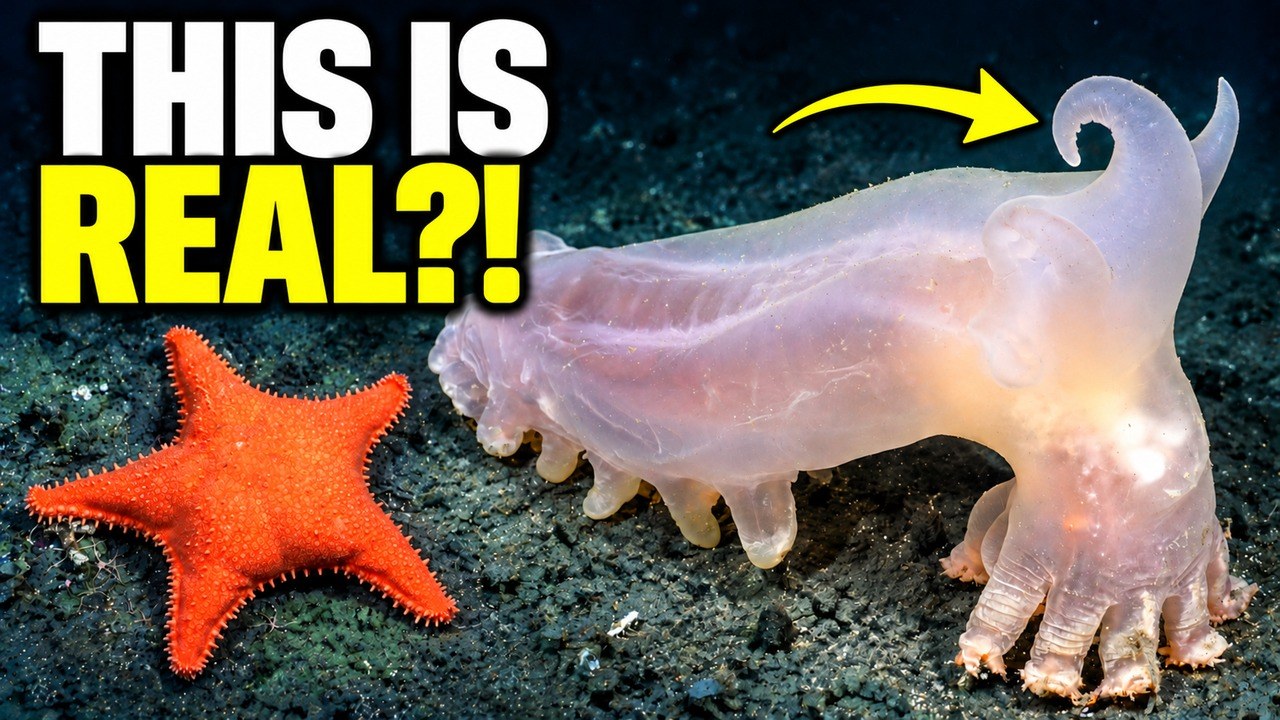
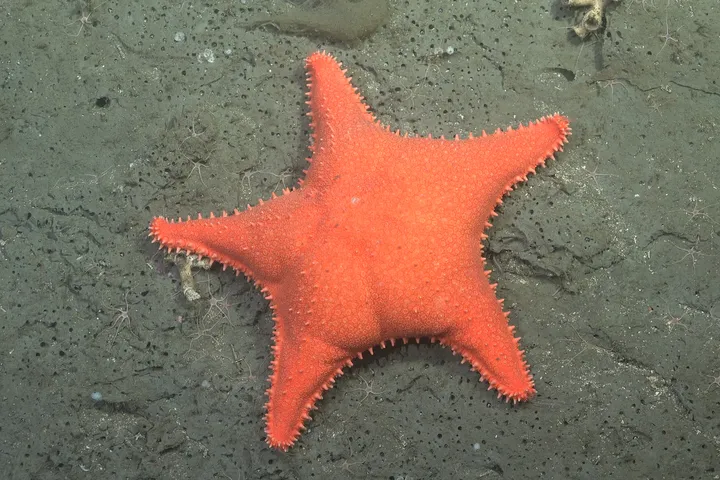
Hooray News first covered the finds on Oct. 24. That story explained that the expedition went viral for an orange sea star that looked like Patrick Star from the cartoon. Patrick is not thought to be a new species. The 57 species found in his canyon probably are.6 Patrick himself was left undisturbed on the seafloor.4
What the Mar del Plata Canyon species workshop found
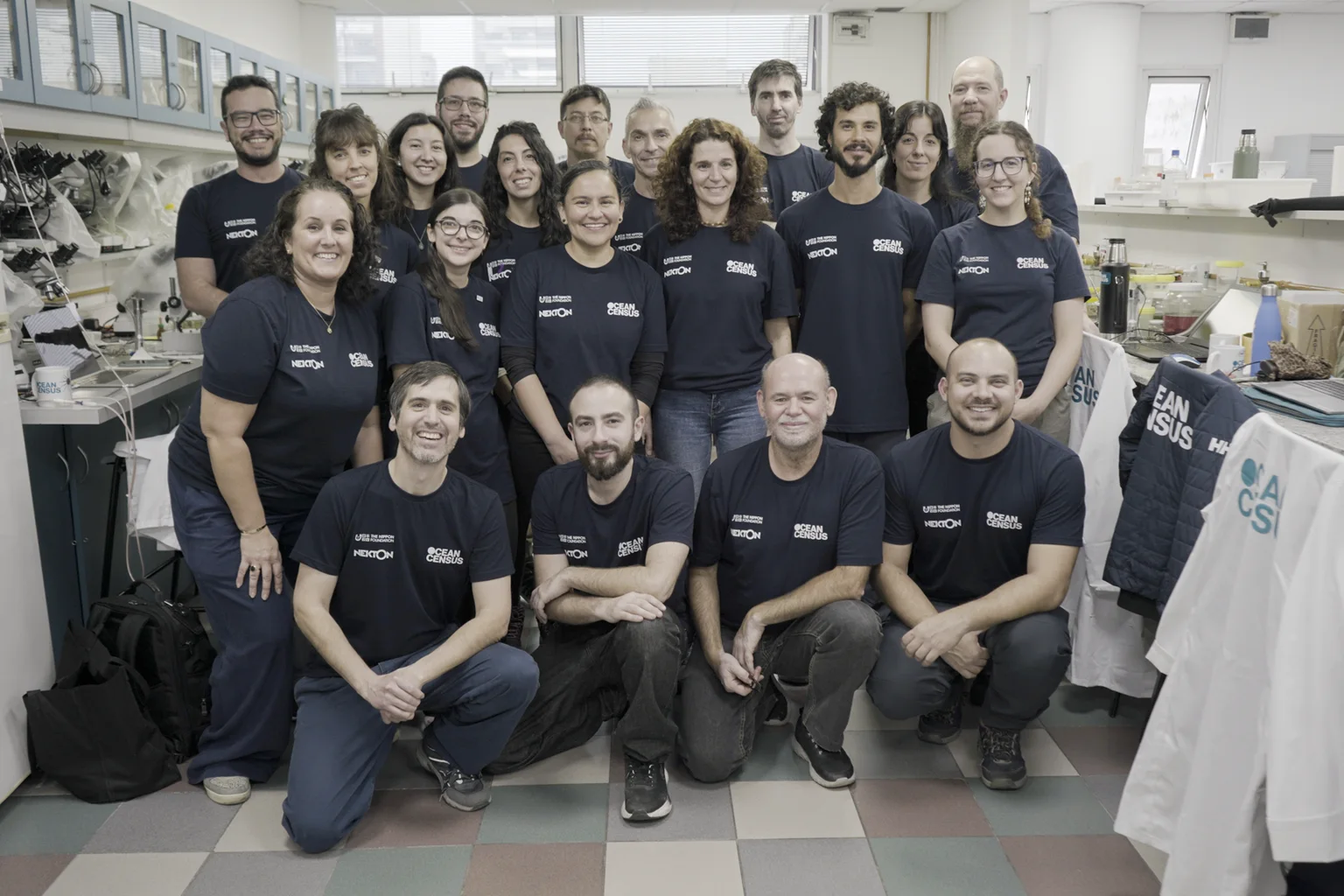
The count comes from a two-week Species Discovery Workshop held July 13 to 24, 2026, at Universidad Maimónides in Buenos Aires. It brought together 20 taxonomists and early-career researchers from Latin America and Europe. Taxonomists are the scientists who identify and name living things.23
The haul included 20 copepods (tiny crustaceans), 22 echinoderms such as sea cucumbers and feather-like crinoids, 14 corals and their relatives, and one tusk-shaped scaphopod mollusc.13 Among the corals are two potential new genera and a potential new family that still awaits genetic analysis.34
The standout is “Loki the Sea Cucumber,” a Peniagone species found at 2,577 meters and named for its horned appendages, after the Norse god.4
Most specimens came from Schmidt Ocean Institute’s 2025 expedition aboard the research vessel Falkor (too), whose livestream drew more than 4 million viewers, according to Ocean Census. The canyon plunges past 3,500 meters, nearly twice as deep as the Grand Canyon.34 It is not untouched, though. A separate PLOS One study of the same expedition recorded 29 pieces of litter, mostly plastic, over 10 dives.4
“Discovering 57 new species and five new genera in just two weeks demonstrates the speed and power of collaborative taxonomy,” Dr. Michelle Taylor, Ocean Census Head of Science, said in the workshop announcement.3 More details are in the Schmidt Ocean Institute press release.
The copepods nobody has looked at yet
The copepods show how much work is left. Taxonomists examined only about 10% of the copepod samples, and every specimen they examined was new to science.34 The other 90% are still waiting.
The copepod team, Emanuel Pereira and Nancy Fabiola Mercado Salas, plans to publish papers formally describing the copepods already logged as discovered.5 As for the rest, de Paz was refreshingly direct: “The copepod samples will remain at the Museo Argentino de Ciencias Naturales in Buenos Aires, until experts have time to continue their examinations and comparisons - I can’t say when that might be!”5
Why “discovered” is not the same as named
Ocean Census counts a species as discovered once experts judge it new and log it on Ocean Census NOVA, an open-access platform with images, specimen details and observations. A formal description needs a peer-reviewed paper and a reference specimen held in a museum, and that can take years.24 Some finds, including Loki, are so far identified only to genus.4
“On average it can take over 13.5 years to identify and formally describe a species!” de Paz told Hooray News. She also described the wider strain on the field: “Taxonomy is facing a growing crisis, with a shortage of specialists, limited funding and time constraints threatening the future of this essential field.”5
Workshops are one way around the bottleneck. “Getting international scientists into one lab, some who have never met before, and letting them loose on the samples. There’s a clear sense of joy and celebration that happens when a new species is discovered,” de Paz said.5
What happens next
The physical specimens will stay in Argentine national collections, including the Museo Argentino de Ciencias Naturales.34 Principal Investigator Daniel Lauretta and his team plan a follow-up expedition with Schmidt Ocean Institute in February and March 2027, to a different submarine canyon expected to hold many species found nowhere else.34
Did this make your day? Give it a cheer.
Sources
- 57 New Marine Species Discovered in Argentina's Submarine Canyons Schmidt Ocean Institute (press release, with Ocean Census), 2026-10-01
- The Ocean Census Schmidt Ocean Institute Argentina Species Discovery Workshop Ocean Census, 2026-07-13
- International Species Discovery Workshop Yields 57 New Species From Mar Del Plata Canyon Ocean News & Technology (republished press release), 2026-10-01
- 'Patrick' sea star went viral, but Argentine deep-sea canyon held 57 new species Mongabay (Liz Kimbrough), 2026-10-13
- Email interview with Maya de Paz, Communications Officer, Ocean Census (Oct. 26, 2026) Hooray News, 2026-10-26
- Patrick the Viral Sea Star Isn’t New. 57 Species in His Canyon Probably Are Hooray News (our earlier story), 2026-10-24