Some Bats Eat Fruit Up to 80% of Their Own Weight, Then Drop the Seeds Downstairs
Tent-making bats in Latin America fold giant leaves into roosts and drop seeds from more than 100 plant species on the forest floor below.

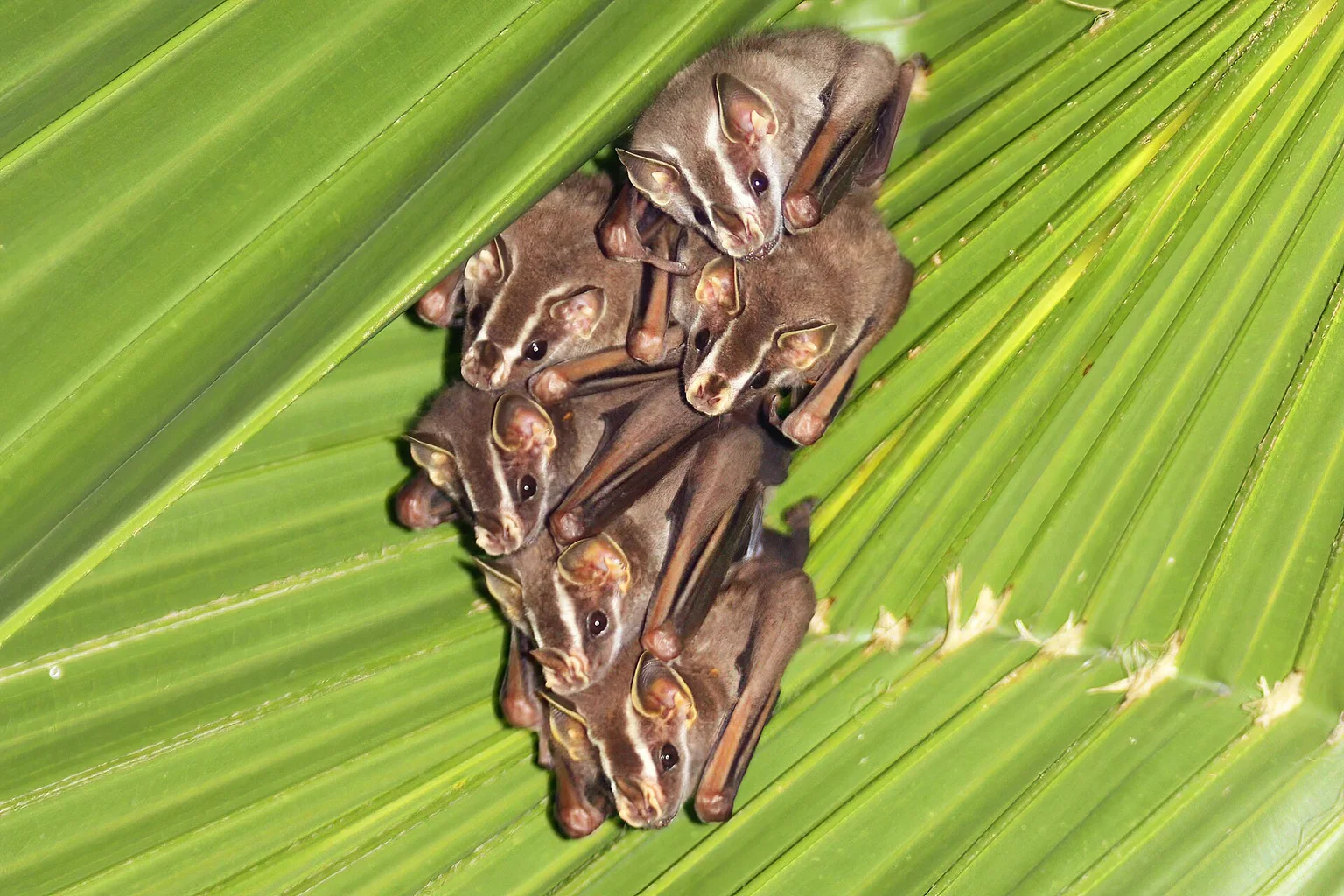
In the shady understory of tropical forests, some bats sleep under roofs they made themselves. They bite and fold giant leaves into hidden tents, Mongabay reported in a short video feature on Nov. 2.1
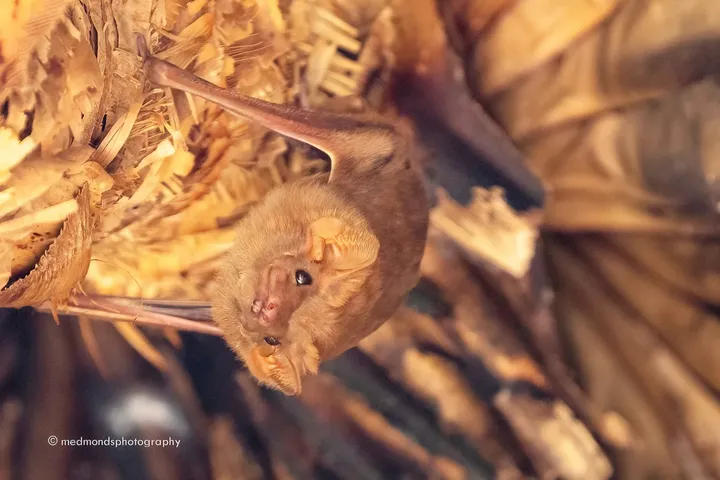
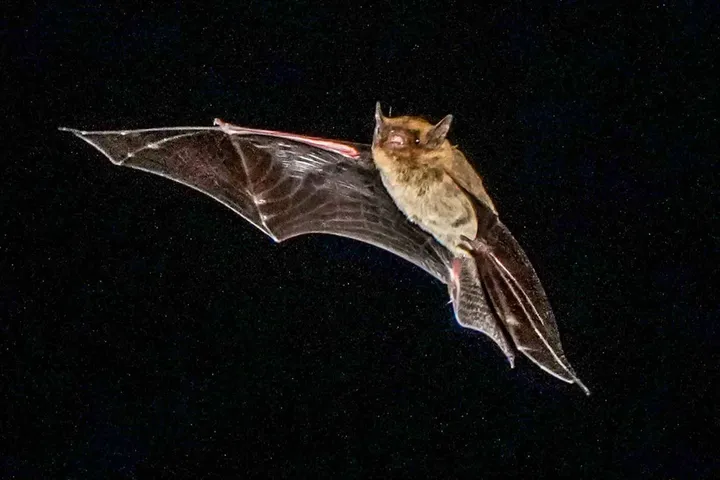
The tents are the eye-catching part. The useful part happens at mealtime. The bats carry fruit back to their tents, eat it there and let the seeds fall to the ground. Research by University of Costa Rica biologist Bernal Rodríguez Herrera and his team has found that tent-making bats spread seeds from more than 100 plant species across Latin America.2
How to fold a leaf without killing it
At least 22 species of New World leaf-nosed bats are known to make tents, using more than 77 plant species, according to National Geographic.2 The trick is in the cutting. The bats cut around a leaf’s major veins instead of through them, so the leaf folds into a shelter but stays alive.2
Rodríguez Herrera’s team has documented eight distinct tent styles, including umbrella, camping-tent, J-shaped and cone designs.2 That is a respectable range for builders whose main tool is their teeth.
The team itself has eight members: bat biologists, a photographer, a scientist-illustrator and two filmmakers. They travel from Mexico to Brazil cataloguing tent designs, the plants the bats use and what the bats contribute to forest health.2
Big fruit, big seeds
Tent-making bats haul figs and other large fruits back to their tents to eat. The seeds drop to the forest floor below, which makes the bats dispersers of large seeds, 0.3 inches or larger.2
Some of those meals are hefty. Rodríguez Herrera has shown that the bats’ diet includes fruits weighing up to 80% of their own body weight.2
Over two years, the team gathered data from 70 study plots in forests throughout Latin America. Tent-making bats were dispersing seeds from more than 100 plant species, including trees, shrubs, palms and vines. Some of those plants are economically valuable to people.2
A separate study in Mexico’s Lacandon Rainforest put seed traps under 21 feeding tents, most of them used by a bat called Dermanura watsoni. The traps caught 2,137 seeds from 54 species, and 56.4% of the seeds came from plants found only in mature forests. The authors estimate the bats move 21.5 million to 79.8 million large seeds a year in the region’s protected areas.3
“We are trying to tell stories to help humans think of bats as not so different from us,” Rodríguez Herrera said in National Geographic. “And they help us, performing an important service by dispersing seeds.”2
A possible link to food systems
Mongabay says the team is studying how these bats could help regenerate forests and support food systems in Amazonian communities.1 The feature, crediting the researchers, says seeds from wild fruits turn up in the bats’ droppings and that Indigenous and local communities later use those seeds to grow edible plants.1 That food link comes from Mongabay’s short summary. The seed studies described above document the dispersal itself, with National Geographic noting only that some of the plants are valuable to people.2
The work is not limited to the Amazon. It spans forests from Mexico to Brazil, and the team is expanding fieldwork to Colombia and Guyana. It also plans an expedition to Africa to check whether bats there build tents, too.2 Mongabay’s feature points viewers to a full documentary about the bats, called Leaf Architects.1

Did this make your day? Give it a cheer.
Sources
- How bats can be forest architects Mongabay, 2026-11-02
- These bats make intricate tents out of leaves National Geographic, 2026-02-11
- The Jungle's Heaviest Courier Service: The Case of Tent-Roosting Bats Botany One
- Large Seeds, Bats, and Tents: A Neotropical Dispersal Story Biotropica (Wiley), 2026