Australia’s ‘Batman’ Heard a Rare Bat 650 km From Where It’s Supposed to Be
An ecologist in Australia's Northern Territory recorded the call of the little-known Arnhem sheath-tailed bat far east of any earlier detection.

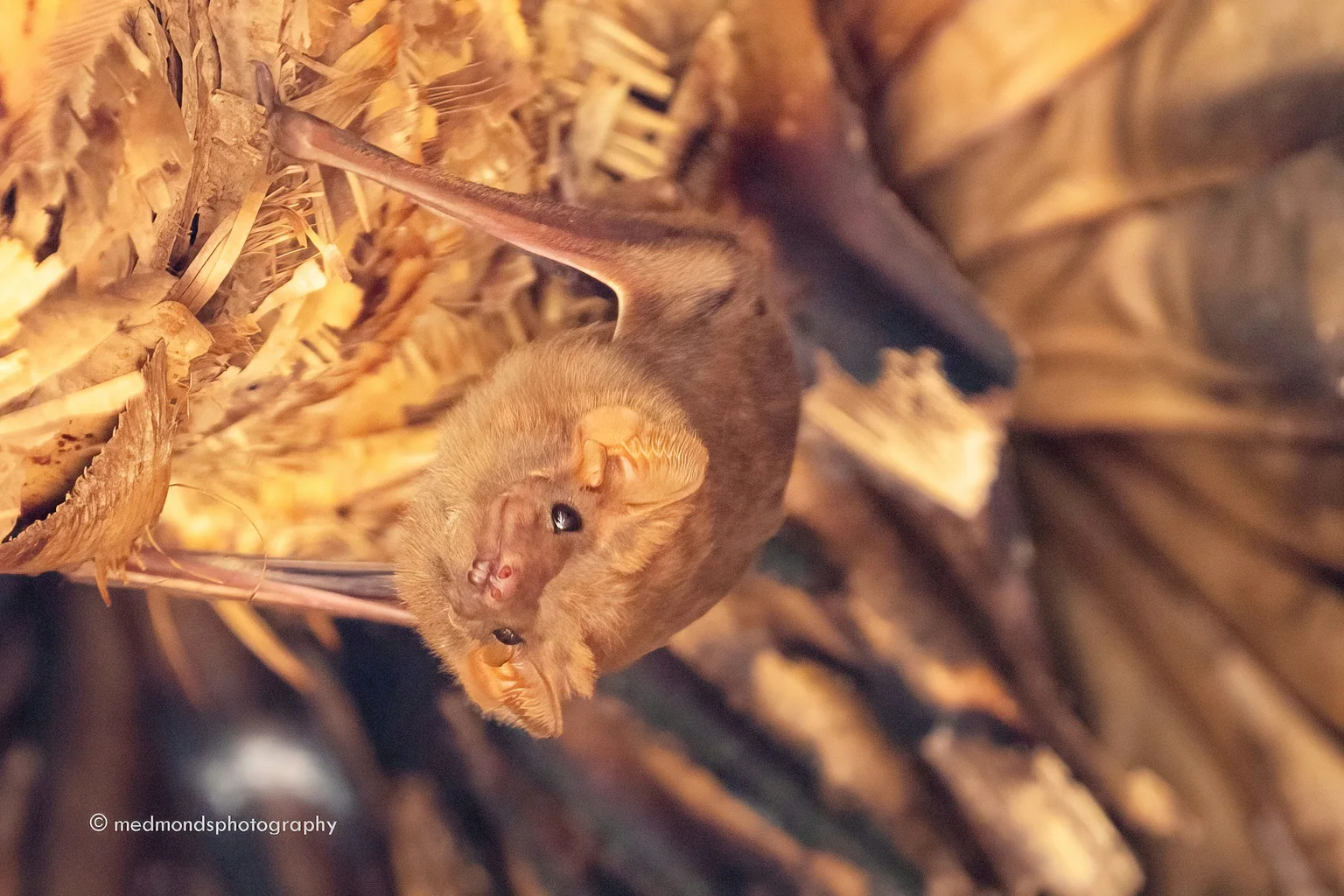
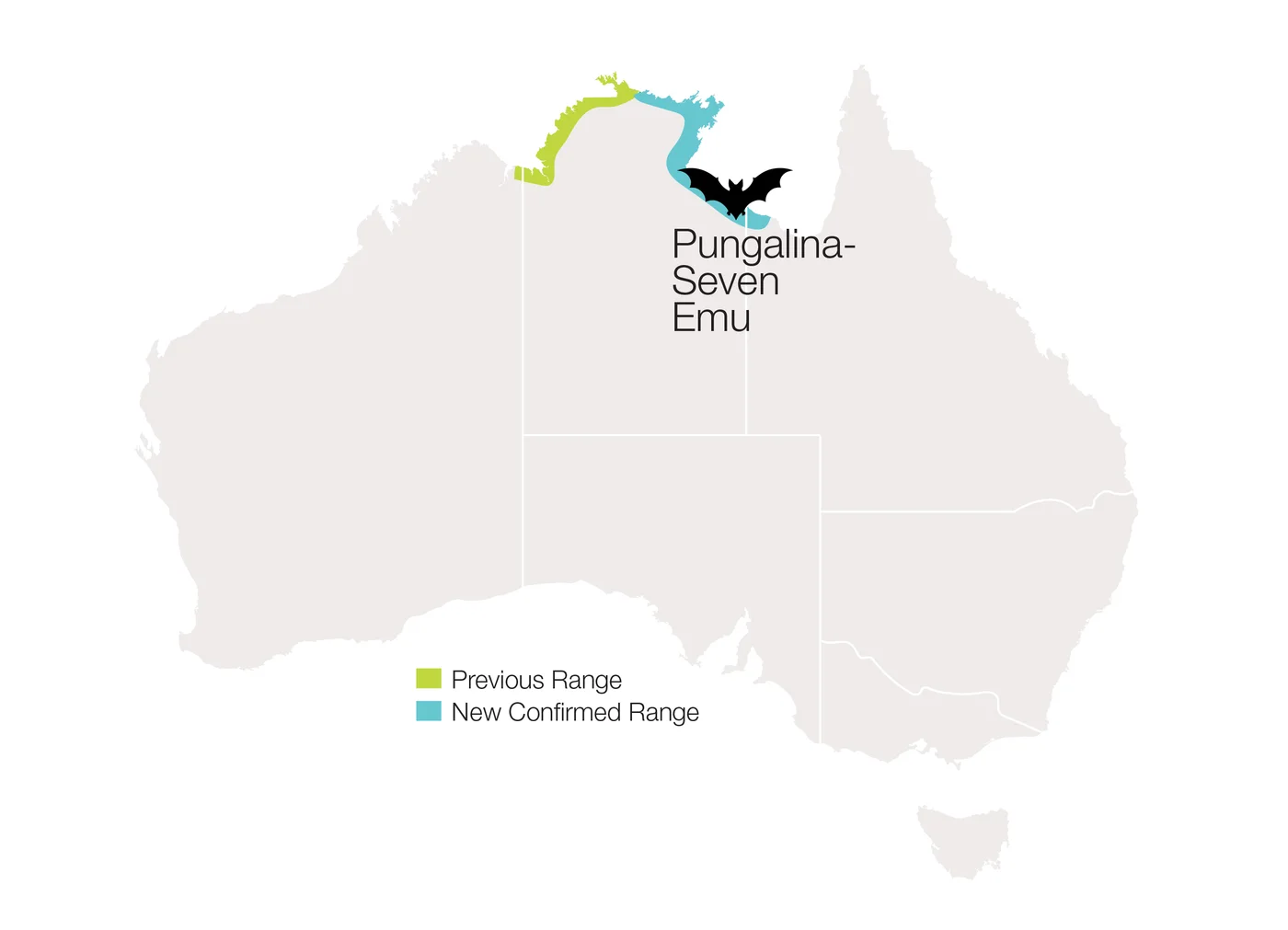
An ecologist with the Australian Wildlife Conservancy (AWC) has recorded the call of the Arnhem sheath-tailed bat, one of Australia’s least understood mammals, about 650 kilometers from the species’ previous most easterly detection, near Jabiru in the Northern Territory.8
The detection came during bat surveys at Pungalina-Seven Emu Wildlife Sanctuary, on Yanyuwa and Waanyi-Garawa Country along the Gulf of Carpentaria coast.8 AWC says it confirms a significant expansion of the bat’s known range. That matters because scientists can’t protect an animal well if they don’t know where it lives.18
The bat was not caught or seen. It was identified from a recording of its echolocation call.8
Heard, not netted
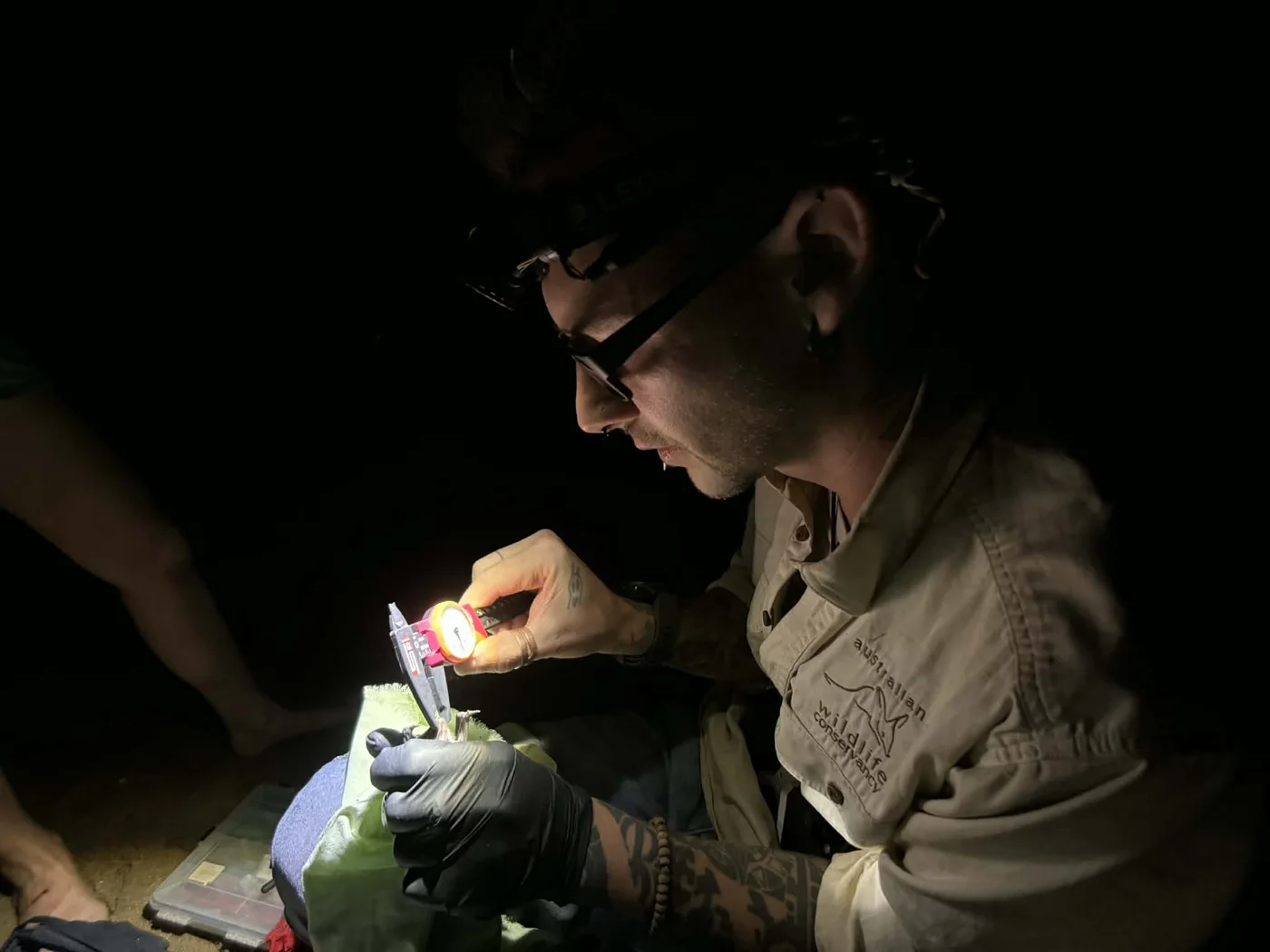
The ecologist is Oli Aylen, AWC Wildlife Ecologist and resident bat specialist, whom colleagues have nicknamed the “Batman.”8 He was busy trying to catch bats the traditional way when this one flew over.
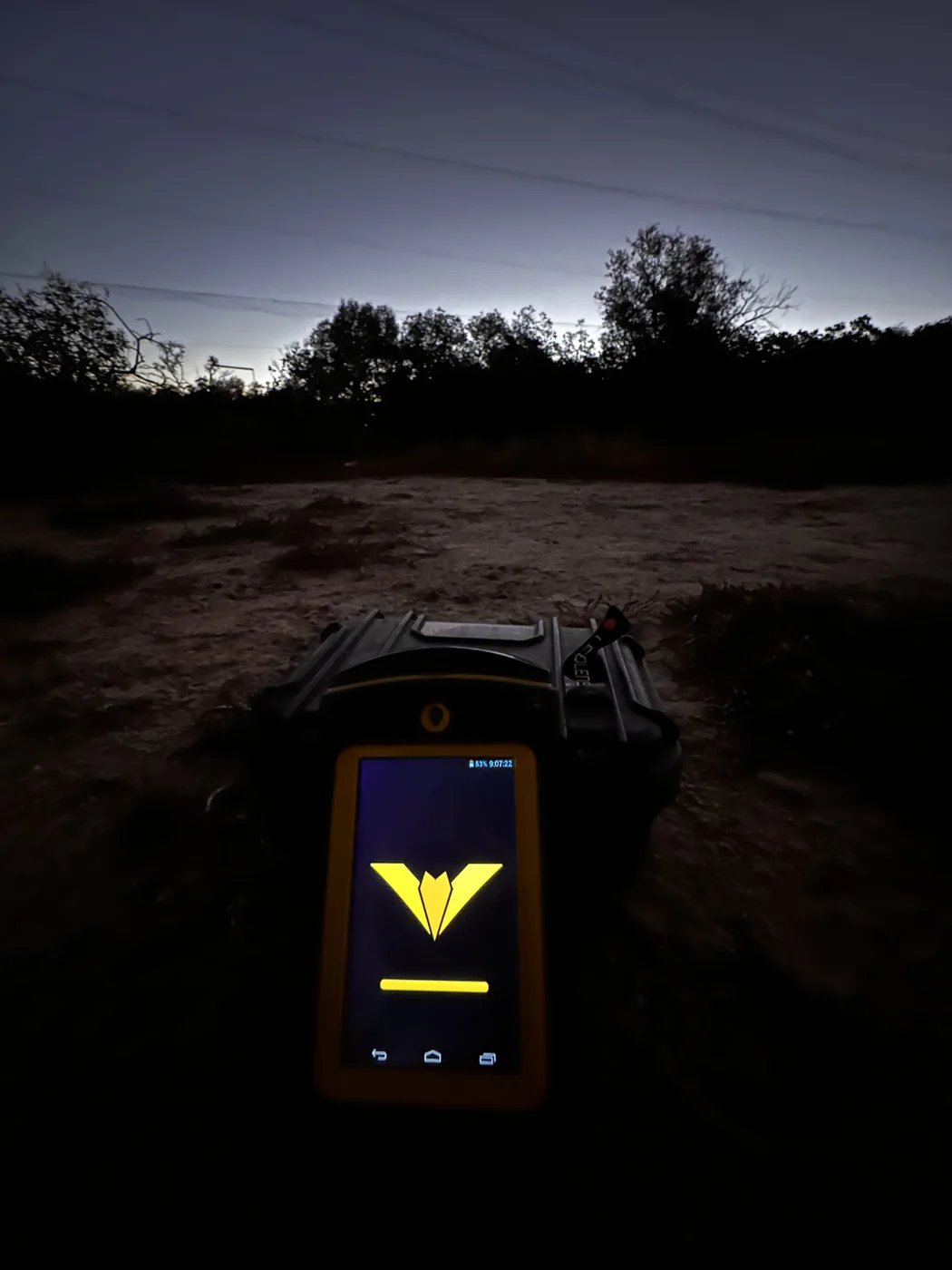
“We were actually setting up canopy mist nets around the mangroves at Pungalina. I just happened to also have my handheld bat detector on, capturing the calls of the bats as they flew overhead,” Aylen said in AWC’s media release.8
So the nets were for one kind of evidence, and the evidence arrived in another.
How you identify a bat by ear
Microbats find their way and hunt using echolocation: they send out sounds too high for people to hear, then listen for the echoes. A bat detector records those calls. Scientists then view them on a spectrogram, a kind of picture of sound that shows how pitch changes over time. Each species tends to leave its own distinctive shape.8
This bat’s shape gave it away. “The species has a really short echolocation call, which is highly unusual for bats that call at that frequency. So straight away, I wondered if that’s what it could be,” Aylen said.8
After the survey, he sent the recording to Dr. Damian Milne, a bat expert and senior scientist at the NT Government’s Flora and Fauna Division, who confirmed it was the Arnhem sheath-tailed bat.8 Milne has co-authored published work on the species and its records.5
A bat that keeps its secrets
The Arnhem sheath-tailed bat was only described in 1979, from a specimen collected near the South Alligator River in the Top End.46 The Australian Museum says very little is known about it beyond the fact that it eats flying insects and possibly roosts in tree hollows.4 Even where it sleeps is a “possibly.”
It has been hard to find because it lives in remote country and flies high and fast, according to AWC.8 Until now it was known only along the NT’s west coast and in north-west Arnhem Land.8
“There had been anecdotal comments about how the bat may occur across more of the Top End, and we’ve now confirmed that,” Aylen said.8
Its conservation status is unsettled too. The IUCN lists it as Least Concern, while a review of NT bats lists it as near threatened under territory, national and/or international listings.56 Aylen put the uncertainty plainly: “Currently, we don’t know if the Arnhem Sheath-tailed Bat is a rare species or if it’s threatened and needs our help. Or there could be a much larger population than we think.”8
Part of a bigger bat count
The find was one result of what AWC calls the most extensive microbat survey yet at Pungalina-Seven Emu, which combined live trapping with ultrasonic recorders and detected 18 microbat species, six of them new to the sanctuary.2 AWC’s 2024 report had noted that most mammals not seen there recently were bats needing specialized surveys.3
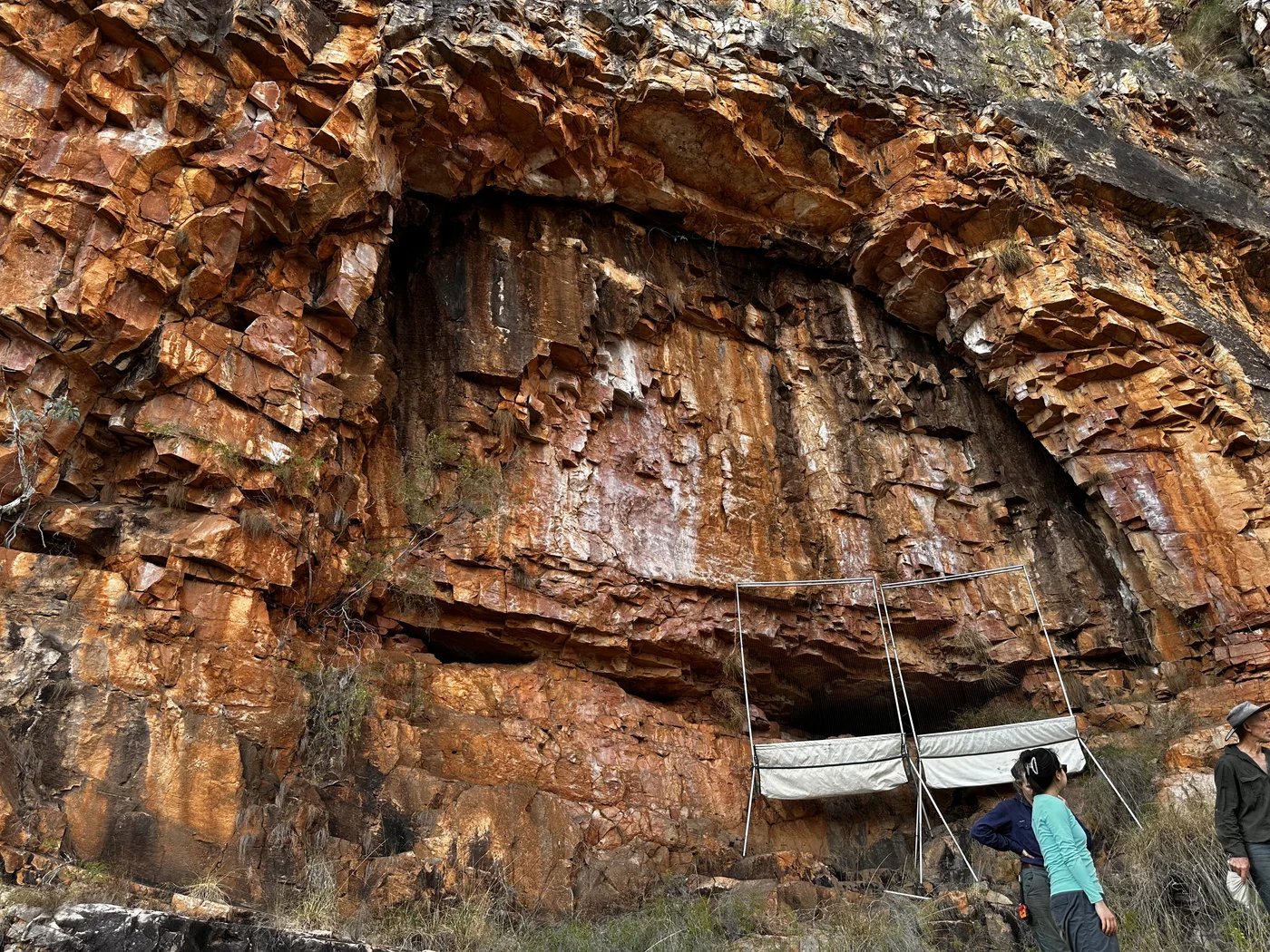
The roughly 3,000-square-kilometer sanctuary sits near the Queensland border, about 150 kilometers from the town of Borroloola, and AWC has managed it for conservation since 2008.78
Bats make up about 20% of the world’s mammal diversity, yet they are among Australia’s least surveyed land mammals, AWC says.8 The organization says the Arnhem sheath-tailed bat will now be a priority for its targeted surveys, with more microbat work planned in coming years. The goal is to detect it again, ideally catch one, and, with luck, find where it roosts, which AWC calls “a vital knowledge gap.”8
Did this make your day? Give it a cheer.
Sources
- Pungalina-Seven Emu 2025 Ecohealth Report & Scorecard Australian Wildlife Conservancy, 2026-08-18
- New wildlife records from AWC's conservation areas Australian Wildlife Conservancy, 2026-09-29
- Pungalina-Seven Emu Wildlife Sanctuary Ecohealth Report 2024 Australian Wildlife Conservancy, 2025-01-01
- Arnhem Sheathtail Bat The Australian Museum
- The status and conservation of bats in the Northern Territory Australian Zoologist (Allen Press / Royal Zoological Society of NSW)
- Arnhem sheath-tailed bat Wikipedia
- Pungalina-Seven Emu Sanctuary Wikipedia
- Media release: Australian 'Batman' finds elusive species 650 km from its last known location in the NT (Australian Wildlife Conservancy, Oct. 30, 2026; sent to Hooray News) Australian Wildlife Conservancy, 2026-10-30