Remote Australian Reef Holds a Coral About as Long as 100 Buses
Scientists mapped a rose coral 1.56 km long off the Cocos (Keeling) Islands, one of the largest known coral colonies. Genetic tests will show if it's one organism.

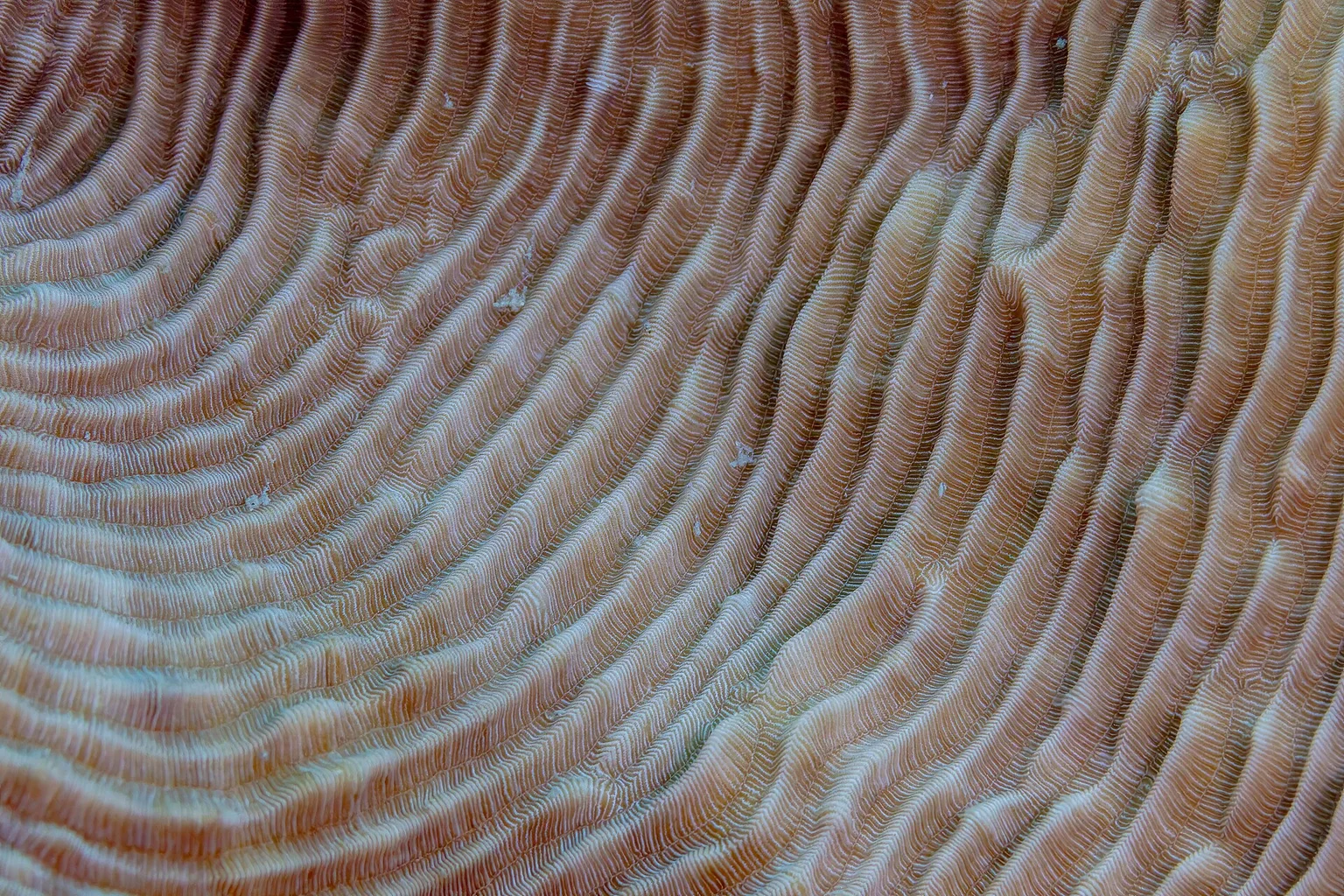
Scientists have mapped a rose coral (Pachyseris) formation that stretches 1.56 kilometers along the outer reef slope of Australia’s Cocos (Keeling) Islands in the Indian Ocean, the Queensland Museum announced on Nov. 6. The museum calls it one of the largest known coral colonies ever recorded. Genetic tests are still checking whether it is one organism or several that fused together.23
The museum offers its own comparison: about 100 buses parked end to end. Unlike the buses, the coral sits between 14 and 65 meters (46 to 213 feet) underwater, spread down the reef slope.2
It is wide, too. The formation averages 36.5 meters across and covers about 56,940 square meters. That is more than three playing areas of the Melbourne Cricket Ground. More sections reach another 200 to 300 meters beyond the main colony.12
The mapping is part of ongoing research into the biodiversity and ecology of the Cocos (Keeling) Islands Marine Park, funded by Parks Australia. The research is listed in the Raffles Bulletin of Zoology, a scientific journal.2 Reports of the find so far all draw on the museum’s news release.
A 30-year head start
The coral was not exactly hiding. Local dive operator Dieter Gerhard first spotted large areas of it more than 30 years ago.1
What nobody knew was how far it went. Researchers only realized how extensive it was, and that the separate patches might be connected, once they started mapping the reef.1
Mapping it one tank at a time
Lead researcher Dr. JP (Jean-Paul Adrian) Hobbs of Adelaide University spent months mapping the coral, working with researchers from the Queensland Museum and James Cook University.23
The job had an unusual problem: the coral outlasted his air supply. When Hobbs ran out of air before reaching its end, he used GPS to mark where he had stopped.23
One coral or many?
The big open question is whether this is a single giant coral organism or several colonies that grew together over time. Researchers are using genetic testing to find out.123
For now, the formation’s length is measured. Its headcount is not.
Did this make your day? Give it a cheer.
Sources
- 100 buses long: Scientists map one of the world's largest known coral colonies Phys.org, 2026-11-06
- 100 buses long! Scientists map one of the world's largest known coral colonies (Queensland Museum news release) Scimex / Queensland Museum, 2026-11-06
- Scientists map one of world's largest known coral colonies Xinhua, 2026-11-07