Bleached Coral Got Its Color Back by Touching a Healthy Piece of Itself
In a Stanford lab, a few days of contact let life-giving algae cross over, and pale fragments fully recovered within about two months. Reefs are the dream.

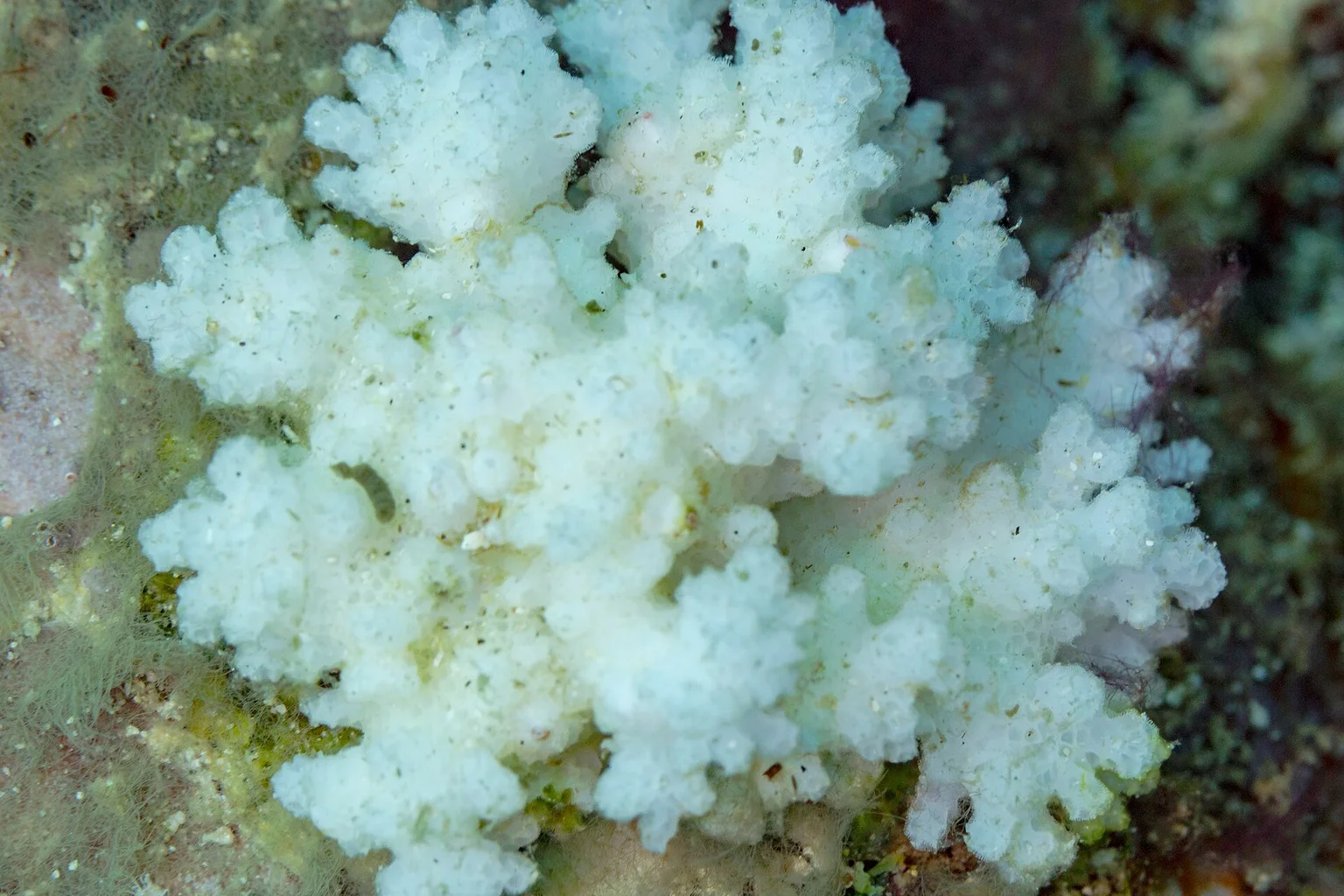
In early 2025, two pieces of coral fell over in a tank. Usually that ends with a sigh and someone reaching for tongs. This time it ended with a study that could change how scientists think about rescuing heat-damaged reefs.
Stanford's Stephen Palumbi noticed that a healthy coral fragment and a bleached one had tipped over and were leaning on each other. Right where they touched, color was seeping back into the pale one.13
That happy accident became a study published October 14 in Science Advances, led by Stanford PhD student Daniel Collins, with Palumbi as senior author and marine ecologist Fiorenza Micheli as co-author.12
Why Coral Turns Ghost-White in the First Place
Corals have roommates. Tiny algae live inside their tissues and supply most of the coral's food. When the water gets too hot, stressed corals kick the algae out. That is bleaching, and without its algae a coral is likely to starve and die. (It is the only eviction in history where the landlord goes hungry.)13
This is not a small problem. NOAA says the most recent global bleaching event exposed an estimated 84% of the world's reef area to bleaching-level heat stress.3
Five Pairs Touching, Five Pairs Just Out of Reach
To test the tipped-over-tank hunch, Collins set up 10 pairs of fragments of Pocillopora damicornis, also known as cauliflower coral, all cut from the same animal. Each pair had one bleached piece and one healthy piece. Five pairs touched. The other five sat a few millimeters apart, which in coral terms might as well be a different ZIP code.14
In the touching pairs, the two fragments' tissues fused into a living bridge, a sort of nutrient highway. Algae started crossing from the healthy piece to the bleached one within about 36 hours.12
By week two, the algae population in the bleached coral was doubling every four days. Nature reports that is much faster than recovery seen in other studies of corals bouncing back on their own in the wild.1
The pieces did not need to stay glued together forever, either. AFP reports that three days of contact was the minimum to get recovery started and five days ensured full recovery, after which the pair could be safely separated. Nature puts it at about a week of touching.12 The full color comeback itself took longer, roughly seven to eight weeks.13
The separated fragments showed basically no recovery, and by 20 weeks they had died.14
"It's stunning," Collins told AFP.2
The Catch: Coral Only Shares With Itself
The trick worked only between fragments of the same genetic individual. Pieces from different animals, even of the same species, refused to fuse and did not nurse the bleached coral back to health. AFP and ABC News compare the standoff to organ rejection.123
So each healthy coral was, in effect, lending algae to itself. That is the easiest loan approval in the history of banking, and also why nobody should start hauling coral around for reef-wide group hugs.
"We likely will not be touching corals to each other on reefs," Collins told AFP. Instead, the team is exploring ways to extract and grow healthy algae in the lab, then deliver them to bleached corals in large numbers, which would sidestep the genetic mismatch.23 That approach has not been tested yet.
It is also worth keeping the scale in view: this was a small lab study of one coral species. Still, it shows bleached coral can recover fast when the algae make it back inside.
"Bleached corals aren't a lost cause, and they do have a remarkable potential and capacity to rapidly recover, which is what we're quite excited about," Collins told ABC News.3
Next up is figuring out whether cultured algae can do at reef scale what one toppled fragment did by accident. In the meantime, the lab's official policy on coral falling over is presumably now: wait and see.
Did this make your day? Give it a cheer.
Sources
- 'Incredible': bleached corals thrive within days when touching healthy neighbour Nature (news), 2026-10-14
- Healthy corals help bleached neighbours regain colour, study shows AFP via CP24/CTV News, 2026-10-14
- Coral reefs are under threat, but bleached corals aren't a lost cause, study suggests ABC News, 2026-10-14
- New method reversed doomed bleached coral at record speed Wyoming News Now, 2026-10-14
- Healthy corals restore bleached neighbors' color after five days of contact (Phys.org listing) Phys.org via buzzing.cc aggregator, 2026-10-14