Platypus DNA Turns Up in Brackish Water Near a Moreton Bay Boat Ramp
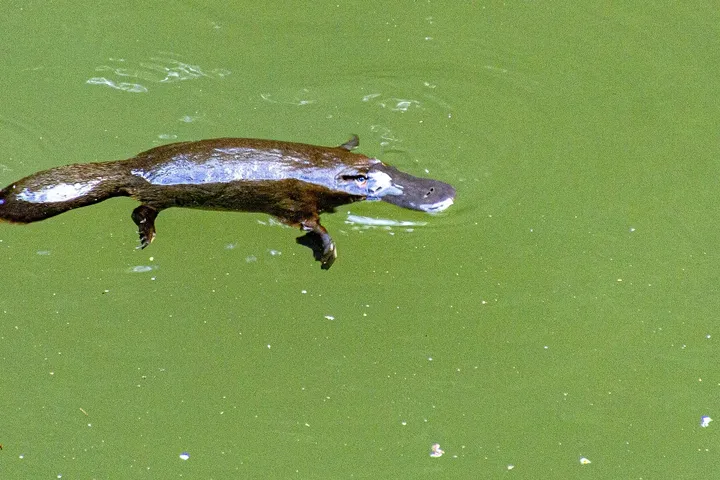
A Queensland council's 2026 platypus survey made its first detection within 5 km of the coast, a surprise for an animal that mostly lives in fresh water.

In its 2026 platypus survey, the City of Moreton Bay in Queensland, Australia, found platypus DNA in brackish water near a boat ramp at O’Leary Avenue Reserve in Burpengary East. It is the council’s first detection within 5 km of the coastline. A City of Moreton Bay spokesperson described the find to Hooray News in an emailed statement on Nov. 4, 2026.9
The site was one of eight new positives in the council’s 2026 survey. That survey found platypus DNA at 91 of the 158 waterway sites it sampled, according to news reports based on the council’s announcement.12 An animal famous for being hard to find has now left evidence near a facility built for launching boats.
Why a coastal platypus detection surprised the team
“This was our first detection within 5km of the coastline,” the spokesperson told Hooray News. “Platypuses primarily inhabit freshwater systems, so detecting platypus eDNA in brackish water was unexpected.”9 Brackish water is a mix of fresh and salt water.
The council said it is unclear whether the platypus moved there on its own or was displaced downstream after a minor flood.9
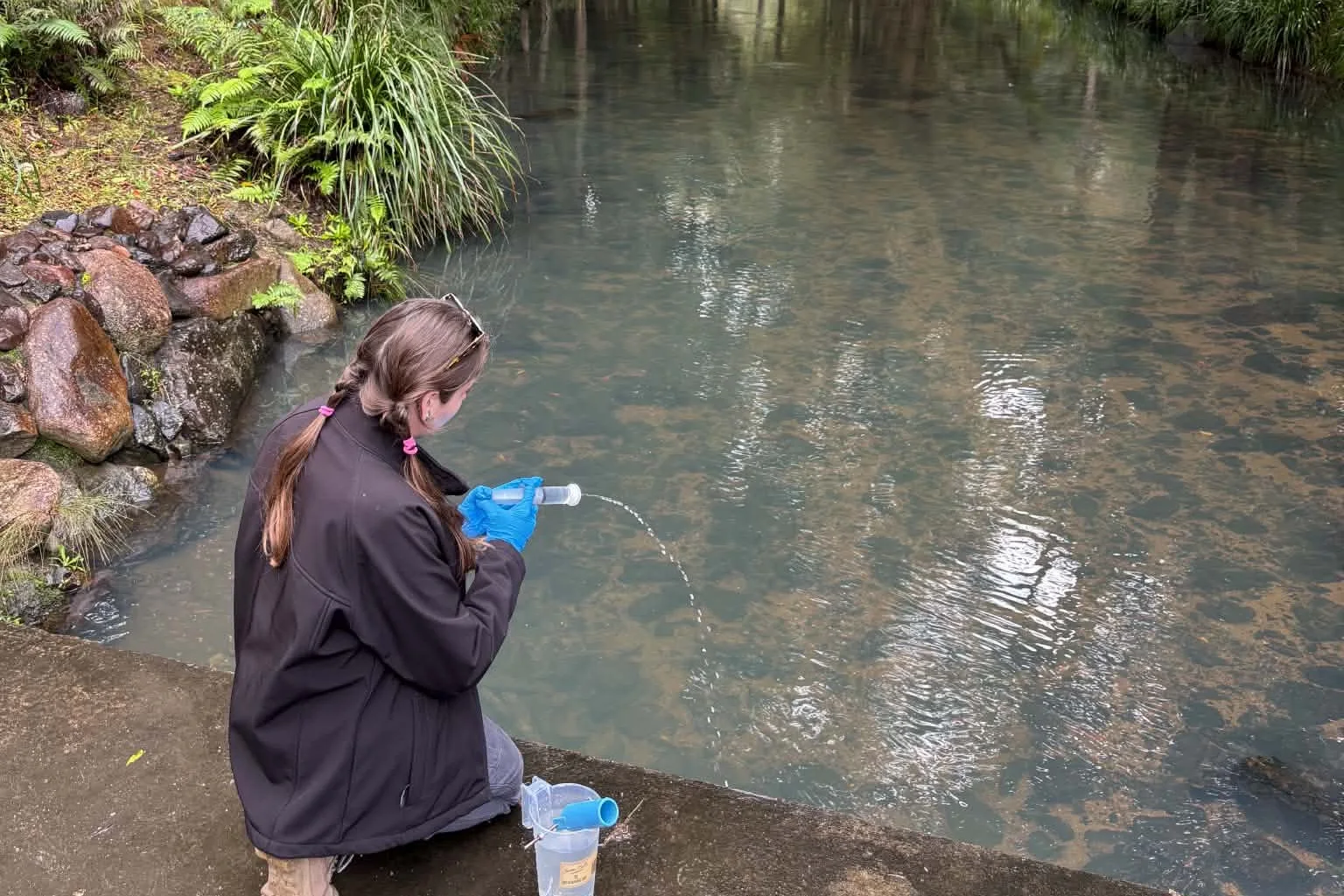
The survey uses environmental DNA, or eDNA. Animals shed tiny traces of DNA into the water, and lab tests on water samples can pick them up without anyone catching or disturbing an animal.4
Hooray News first covered the 2026 results on Nov. 1.8 The council calls the 91 sites a record and the population “thriving.” Those are the council’s words, and the record beats 2025’s total of 90 by one site.3 The number of sites sampled has also changed over the years: 84 in the 2023 pilot, 155 in 2024 and 158 this year.46 eDNA shows where platypus are present, not how many there are. In December 2025, Mayor Peter Flannery said, “While it’s too early to say whether the population is growing, the results are promising.”5
The counts are also a minimum. Camera monitoring and resident sightings confirmed platypus at several sites where the eDNA tests came back negative.1 Platypus were again detected in all five of the city’s major catchments: the Caboolture, North Pine, South Pine, Stanley and Mary rivers.12
Three years running in an industrial creek
Platypus DNA has now shown up in Conflagration Creek, in the Brendale industrial area, for three years in a row, the spokesperson said.9 Despite the name, the creek seems to suit them.
“Monitoring suggests platypuses are more adaptable to modified environments than people might expect,” the spokesperson said.9 The council listed what platypus generally need: small water insects and other invertebrates to eat, vegetated banks for burrows, enough water depth, and connections to other waterways. Conflagration Creek has permanent water linked to a major river system, sections of steep, vegetated bank, and relatively little foot traffic.9
What the council plans to do with the data
So far, the council has mainly used the maps to help its own teams plan around known platypus habitat when works happen nearby. Now that it has several years of results, it plans to use them to find waterways where restoration, habitat protection or better connections between waterways would help most. That includes places that serve as refuges during drought.9
University researchers have also expressed interest in studying the health of platypus populations across the city and how well they connect to one another, which could point to ways of improving genetic diversity.9 Separately, Wildlife Queensland’s Greater Brisbane Platypus eDNA project reports consistently positive detections in the Moreton Bay region.7
Who collects the water samples
Environment Officers from the council’s Environmental Services team collect the samples in July and August, then send them to a laboratory.9 Those months are platypus breeding season, when DNA is easier to detect.4
Platypus are most active around dawn and dusk, and most sampling happens during the day. The survey team, in other words, works roughly the opposite shift from the animal it is looking for. Even so, officers usually record one or two sightings during each sampling program.9
“Seeing the animal you are surveying for is always a highlight for the Officers involved,” the spokesperson said.9
Did this make your day? Give it a cheer.
Sources
- Latest Moreton Bay platypus figures make a splash Inside Local Government, 2026-10-11
- Moreton Bay platypus population thriving at 91 sites / Platypus project paints positive picture Moreton Daily, 2026-10-14
- Notoriously elusive Aussie animal spotted at record number of sites Yahoo News Australia, 2026-10
- Platypus population paddling strongly in City of Moreton Bay City of Moreton Bay, 2025-12-01
- Platypus DNA found in 37 creeks and rivers 'is a good sign' Newscop, 2025-12-01
- Surprising Hotspots for Platypus Population Echo News, 2025
- Greater Brisbane Platypus eDNA Surveys Project Wildlife Queensland
- Platypus Left Their DNA at 91 Sites. Nobody Had to Catch One Hooray News, 2026-11-01
- Email interview with City of Moreton Bay, spokesperson, City of Moreton Bay (Nov. 4, 2026) Hooray News interview, 2026-11-04