Loch Ness Beavers Come With a Licence and a Health Check. The Monster Never Did
Scotland's nature agency has licensed up to 15 beaver families for the Loch Ness area over three years, with the first releases possible within weeks.

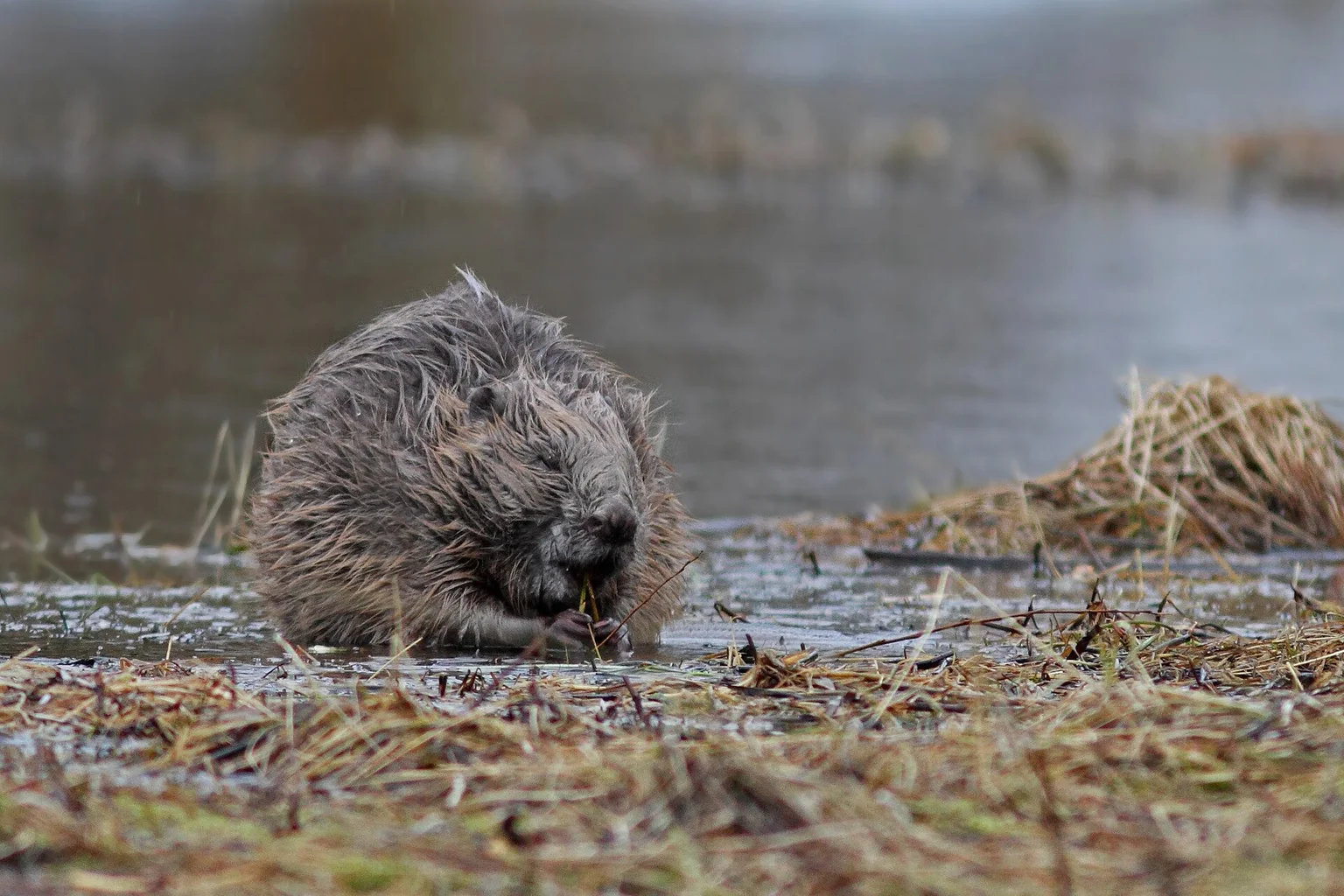
On Oct. 30, NatureScot, Scotland’s nature agency, licensed the charities Trees for Life and Beaver Trust to release up to 15 beaver families over three years in the River Ness catchment, the web of Highland rivers and lochs that includes Loch Ness. No beavers have been released yet, but the first could arrive within weeks.14
Loch Ness is famous for a creature nobody has managed to prove exists. The animal it is getting comes with paperwork: a government licence, a health check and a three-year schedule.
The last widely cited record of beavers beside Loch Ness is from 1526, in the Chronicles of Scotland. That makes it the last beaver record in Scotland, and the source of the “500 years” figure.2 A written record isn’t proof that the last beaver left that year. It is only the last time anyone wrote one down.
Why bring beavers back
Beavers build dams, and those dams create ponds and wetlands. NatureScot concluded that beavers could significantly boost the variety of wildlife in the catchment, and that the landscape is at low risk of harm from beaver activity.1
“Beavers can bring many benefits for nature and people, creating habitats such as ponds and wetlands where other species thrive, as well as moderating water flows in times of flood and water scarcity,” Robbie Kernahan, NatureScot’s director for wildlife management, said in the agency’s announcement.1
“After a careful assessment, we believe that bringing beavers back to the Ness catchment will significantly improve the biodiversity of this part of Scotland,” he added.1
The area was not a random pick. In 2022, NatureScot named the Loch Ness area as one of the most suitable catchments in Scotland for beavers.2 Expanding where beavers live is a priority in Scotland’s Beaver Strategy 2022-2045.1
Where the beavers will come from
The new arrivals will be trapped, under licence, from places where they are damaging prime farmland and where other fixes have failed or aren’t possible. Each will be health-screened before release.1 A beaver that is a problem in a farmer’s field can become an asset on a Highland river.
Some beavers already live near the catchment, at Abriachan and in Strathglass, and at least one is known on the River Oich. NatureScot says those animals are unlikely to found a genetically diverse population there on their own anytime soon, which is part of the case for releases.1
The exact release sites will be announced only after the beavers are in place, so they can settle without disturbance.3 Given how many people already scan Loch Ness for unusual shapes in the water, that seems wise.
Support, and some concerns
The application, from the partnership known as the Ness Beaver Project, was assessed under the Scottish Code for Conservation Translocations. That code weighs site suitability, animal welfare and the effects on neighbors and local communities.12
More than 73% of people who answered the applicants’ consultation were supportive. Some land managers, fisheries managers and residents in the catchment did raise concerns.1
“Beavers are key allies in tackling the interconnected climate and biodiversity crises facing us all, so this successful result brings real hope for the future,” Alan McDonnell, head of nature restoration at Trees for Life, said in Beaver Trust’s announcement.3
The project is funded by Trees for Life supporters, the Missing Species Appeal, Fred Foundation, Forest Peace Foundation and Rewilding Britain’s Rewilding Innovation Fund.6
Part of a longer comeback
Beavers have lived wild in Scotland again since a 2009 trial at Knapdale in Argyll. They have since been legally reintroduced to places including Loch Lomond, the Cairngorms and Glen Affric.5
If the timetable holds, the first Loch Ness families could be in the water before the year is out.4
Did this make your day? Give it a cheer.
Sources
- Beaver release approved in the River Ness catchment NatureScot Newsroom, 2026-10-30
- Ness Beaver Project - Trees for Life Trees for Life
- Licence granted for historic return of beavers to waters around Loch Ness – 500 years after last sighting at world-famous loch Beaver Trust, 2026-10-30
- Beavers set for historic return to Loch Ness 500 years after last recorded sighting Good News Post, 2026-11-03
- Seven beavers released in Glen Affric BBC News (via AOL)
- Licence granted for historic return of beavers to waters around Loch Ness Inside Ecology, 2026-11-02
- Loch Ness Is About to Welcome a New Monster Not Seen There in 500 Years–the Beaver! Good News Network, 2026-11-03