Platypus Left Their DNA at 91 Sites. Nobody Had to Catch One
City of Moreton Bay's water testing in Queensland found platypus DNA at 91 of 158 sites, including eight new spots and a creek in an industrial area.

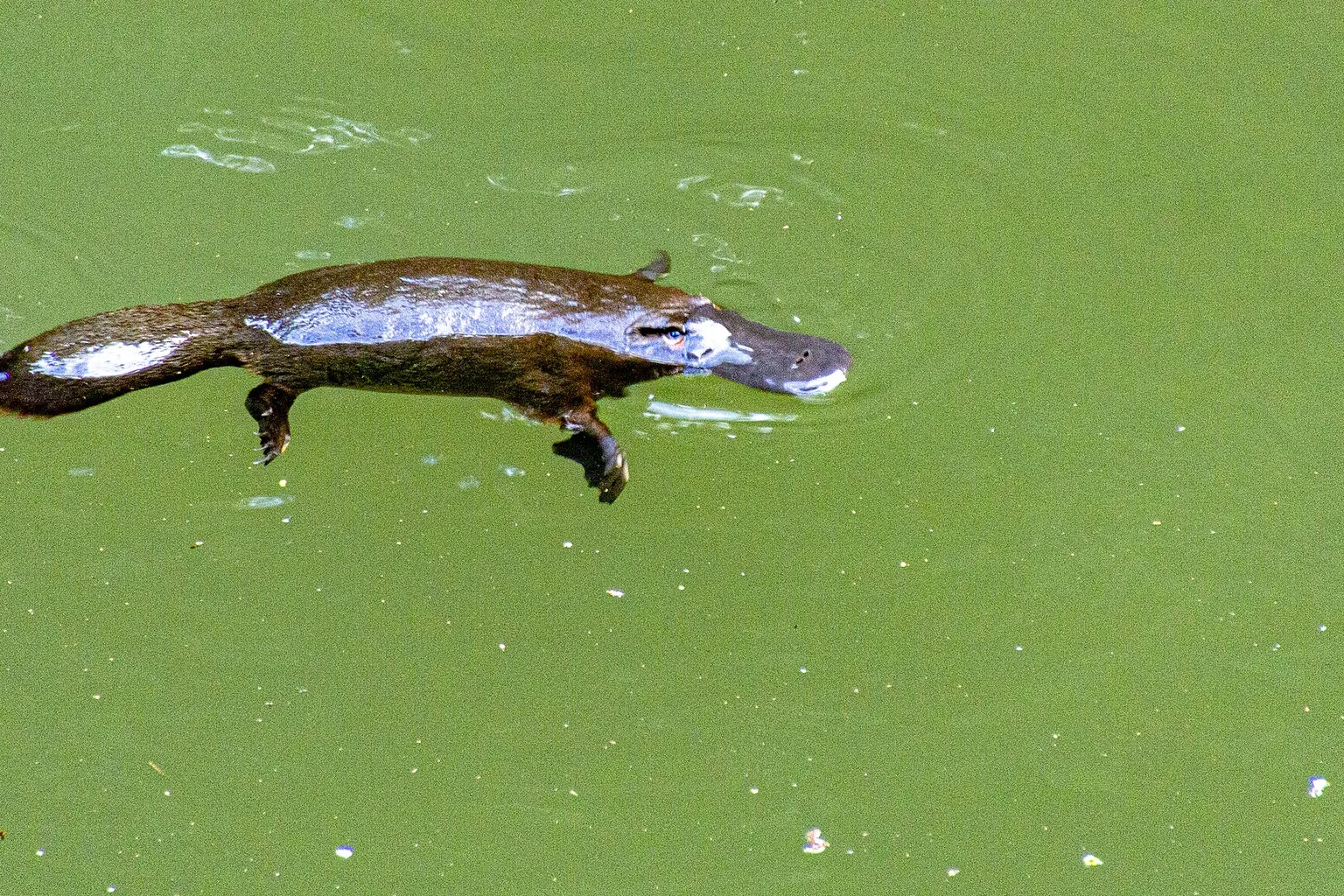
Platypus are famously hard to spot, so the City of Moreton Bay in Queensland, Australia, tracks them by what they leave behind. This year its water testing picked up platypus DNA at 91 sites, a number the council calls a record.1
The council sampled 158 waterway sites in 2026, and 91 of them came back positive. Eight of those had never tested positive before. The new sites include the Caboolture Region Environmental Education Centre (CREEC) in Burpengary and locations in Morayfield, Elimbah, Petrie, Samford Valley and Strathpine.1
The results matter beyond bragging rights. They feed into the council’s work on its catchments, including riparian restoration. That means protecting the land and plants along creek banks to improve water quality, give wildlife a place to live and keep the banks from washing away.14
How to count an animal you rarely see
The method is called environmental DNA, or eDNA. Animals shed traces of DNA into the water around them, and the council tests water samples for it. Nobody has to catch a platypus or disturb the creek where it lives.14
The surveys run in July and August, during the platypus breeding season, when the DNA is easier to detect.2
The test shows whether platypus have been at a site. It does not show how many live there. A negative result also does not mean the animals are absent. Camera monitoring and sightings from residents confirmed platypus at several sites where the eDNA test came back negative.1 That makes the 91 sites a minimum count.
A record, by exactly one site
The 2025 round found platypus at 90 sites, so this year’s record wins by the narrowest margin a record can have.2 The trend over the longer run looks bigger. The 2023 pilot sampled 84 sites and found 36 positives, and the 2024 round sampled 155 sites and found 71.2 Because the number of sites sampled has changed from year to year, those totals are not a strict like-for-like comparison.
Consistency may be the more telling figure. According to the council, 50 sites have now tested positive three years in a row, mostly in the western and central parts of the city. They include Stony Creek, Wamuran, Dayboro, Caboolture, Albany Creek, Bunya and Samford. Platypus were also detected again in all five of the city’s major catchments.13
One of the steadiest results comes from an unlikely address. Platypus have been detected in a creek in the industrial area of Brendale for three years running. Mayor Peter Flannery credited the council’s management of its waterways and the species’ ability to live in urban areas.1
“The results of this innovative testing program point to a widespread platypus population right across our City,” Flannery said in the announcement reported by Inside Local Government.1
The council’s announcement describes the population as thriving.13 Last December, after the 2025 results, Flannery said it was too early to say whether the population was growing, though he called the results promising.2
The council is not the only group finding platypus here. Wildlife Queensland, which runs a separate eDNA survey project across Greater Brisbane, reports that the Moreton Bay region has returned consistently positive platypus detections over the years.5
Full results are published on the council’s Datahub. Residents who spot a platypus can report the sighting to the council’s Environmental Services department.1
Did this make your day? Give it a cheer.
Sources
- Latest Moreton Bay platypus figures make a splash - Inside Local Government Inside Local Government, 2026-10-11
- Platypus population paddling strongly in City of Moreton Bay City of Moreton Bay (council media release, previous year's results), 2025-12-01
- Moreton Bay platypus population thriving at 91 sites / Platypus project paints positive picture Moreton Daily, 2026-10-14
- Notoriously elusive Aussie animal spotted at record number of sites Yahoo News Australia, 2026-10
- Greater Brisbane Platypus eDNA Surveys Project Wildlife Queensland