Only One Messel Fossil Has an Insect in Its Stomach. It’s an Owl.
Most Messel Pit birds with preserved stomach contents ate seeds, lead author Gerald Mayr told Hooray News. The owl's cockroach is the only identifiable insect.

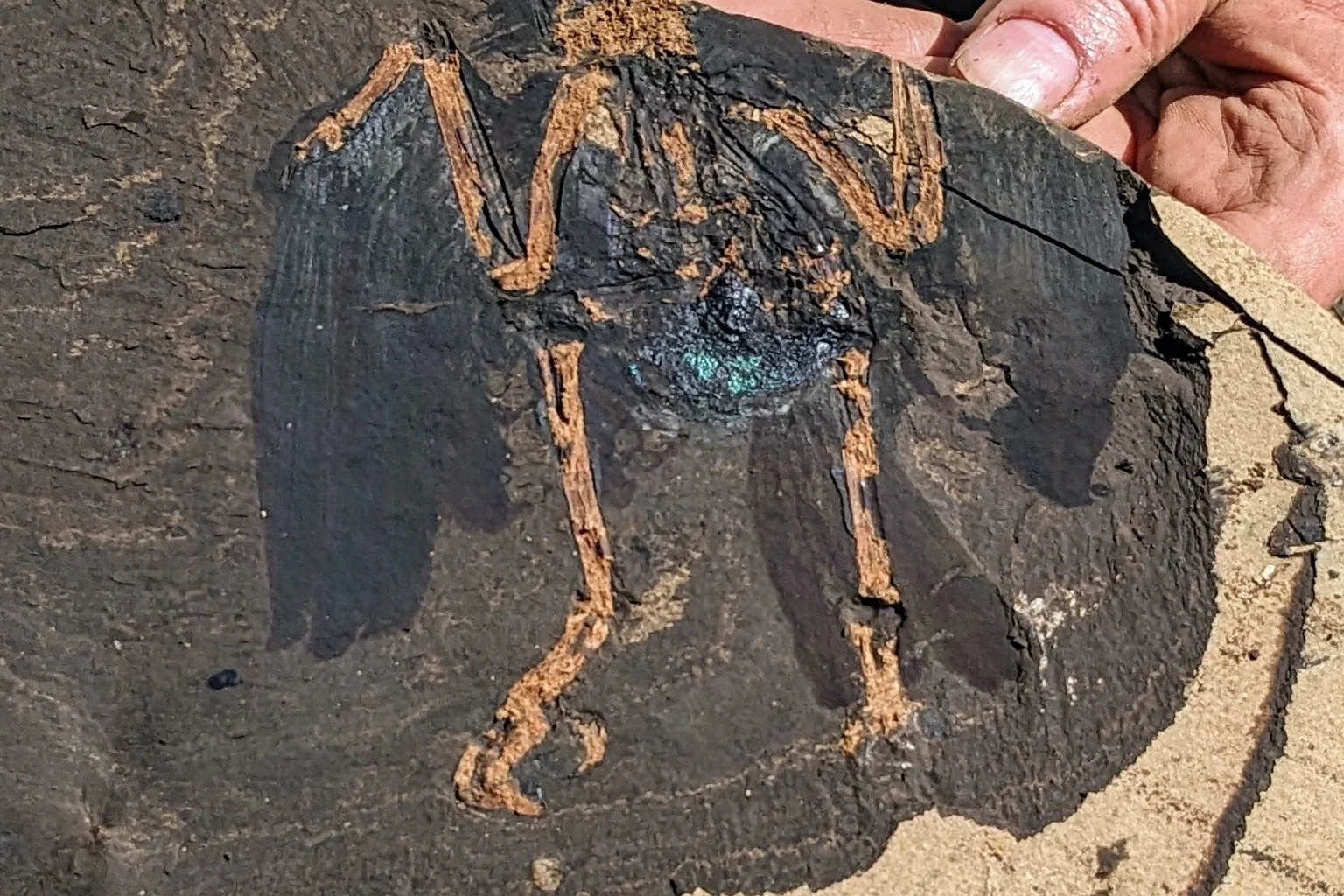
Masillastrix blattophaga, a 47-million-year-old owl from the Messel Pit near Darmstadt, Germany, is the only fossil from the site with identifiable insect remains preserved as stomach contents. That’s according to lead author Gerald Mayr of the Senckenberg Research Institute and Natural History Museum Frankfurt, who answered Hooray News questions by email on Nov. 9. His team’s study came out in Current Biology on Nov. 3.42
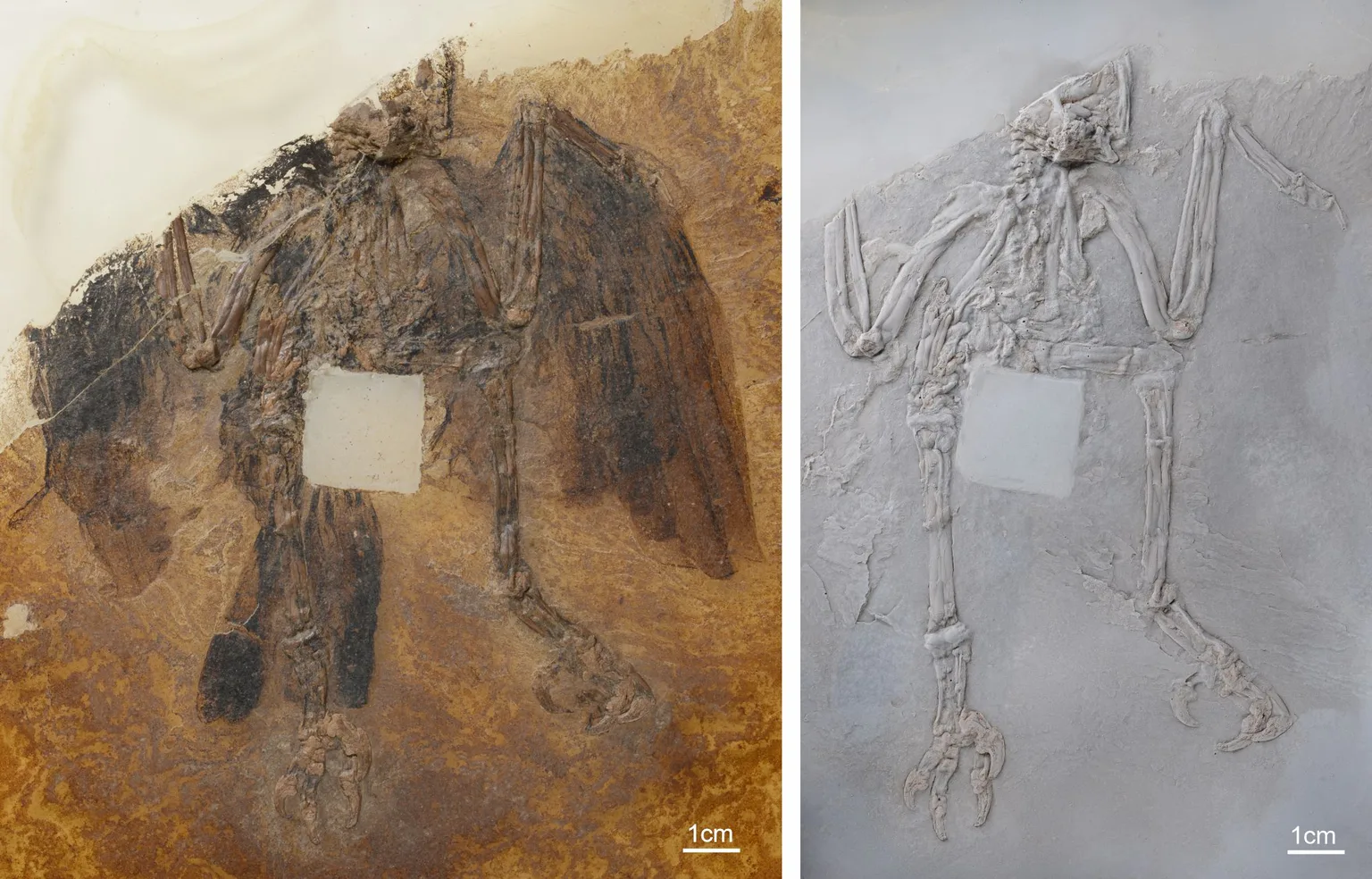
Our earlier story covered the find itself. The owl was about 12 centimeters long, and its skeleton is complete except for the skull. In its stomach area are greenish-blue, iridescent cockroach wing remains, a clue the team reads as a hint that this early owl hunted by day.51
Seeds were the usual last meal at Messel
Messel is a UNESCO World Heritage Site, and some of its fossils preserve what an animal had just eaten.1 Mayr told Hooray News that various Messel fossils have stomach contents, but in most cases those birds ate seeds.4
“The owl fossil is the only one, in which identifiable insect remains are preserved as stomach contents,” Mayr wrote.4
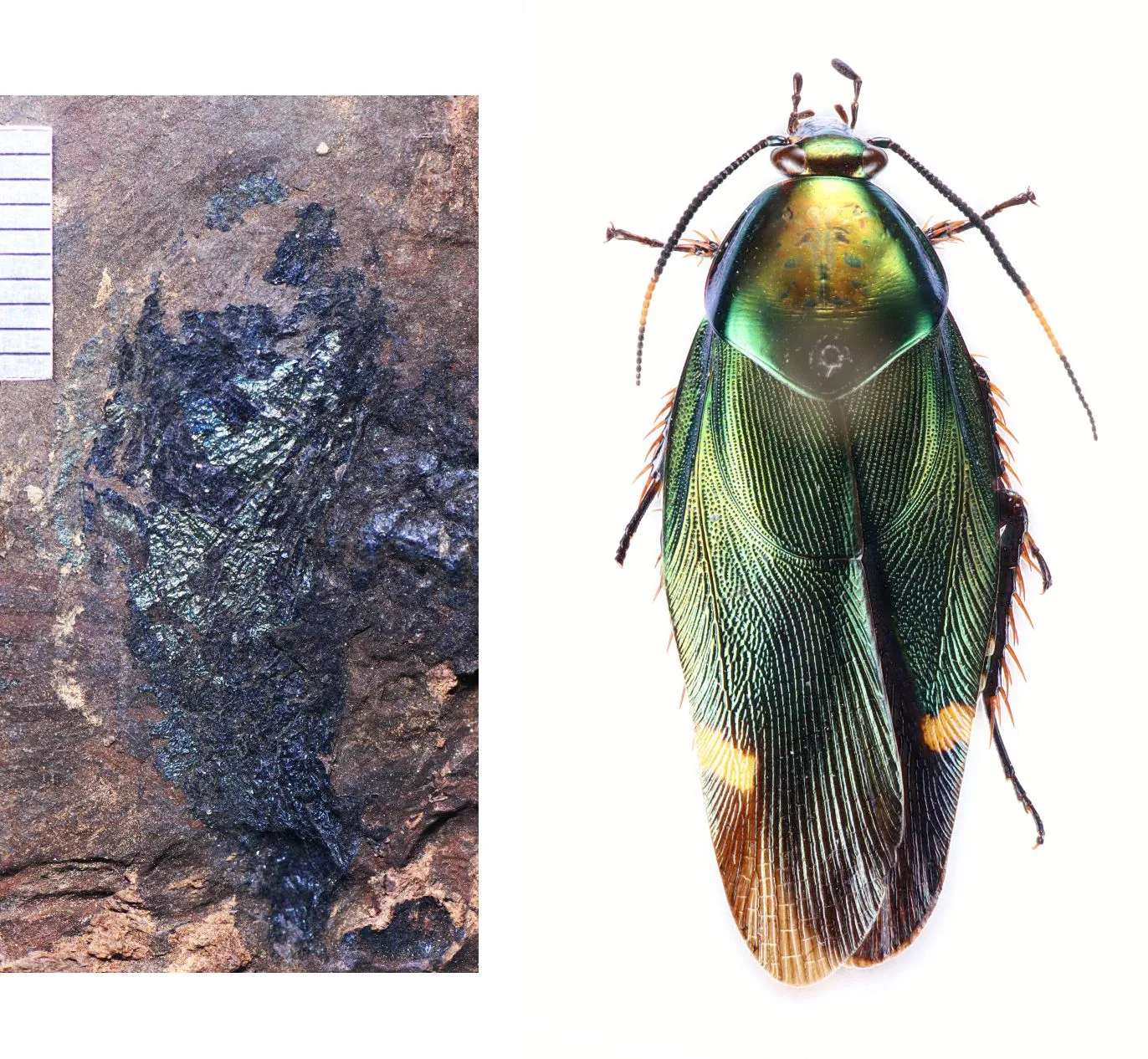
The scientific name reads like a menu description. Masilla is the Latin name for Messel and Strix means owl. Blatta is a cockroach genus and the Greek phagein means to eat.2
Only three owl fossils from Messel so far
Owls are scarce at Messel. “As yet, only three owl fossils were found in Messel, two of these were found long before 2025,” Mayr told Hooray News.4 The new one was dug up during the 2025 excavation season, and it is only the second owl species known from Messel.1
Why a shiny cockroach points to daytime, and where the evidence stops
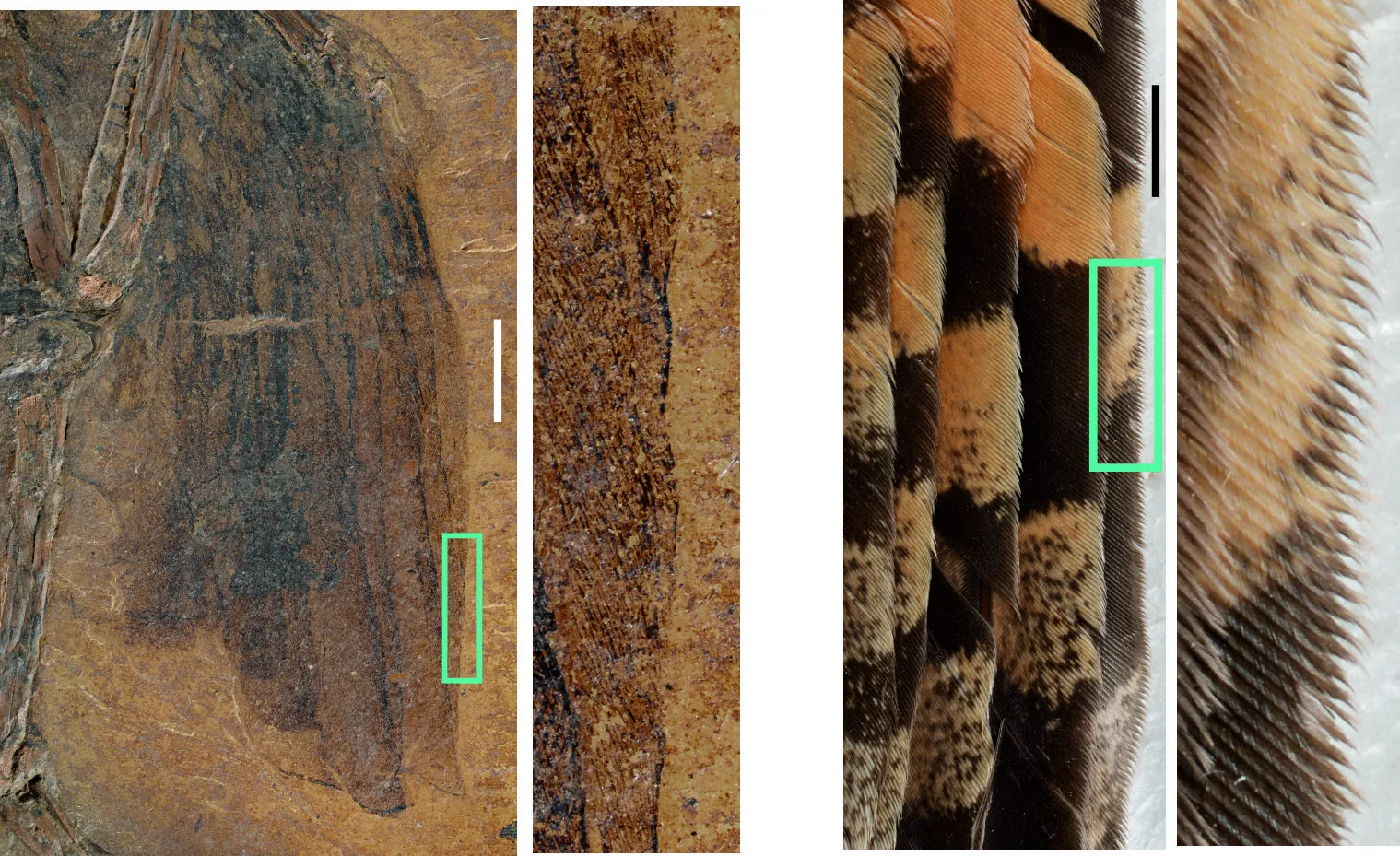
Among cockroaches and other insects living today, iridescent wings go with being active by day. “Therefore, the cockroach found in the little owl’s stomach provides an important clue about the bird’s own period of activity,” Mayr said in Senckenberg’s announcement.1 The owl’s body adds to the case. Its upper arm bone is shorter and stouter than a modern owl’s, and its flight feathers lack the barring and the hook-like serrations on the leading edge of the outermost primary feathers that help today’s owls fly silently.14
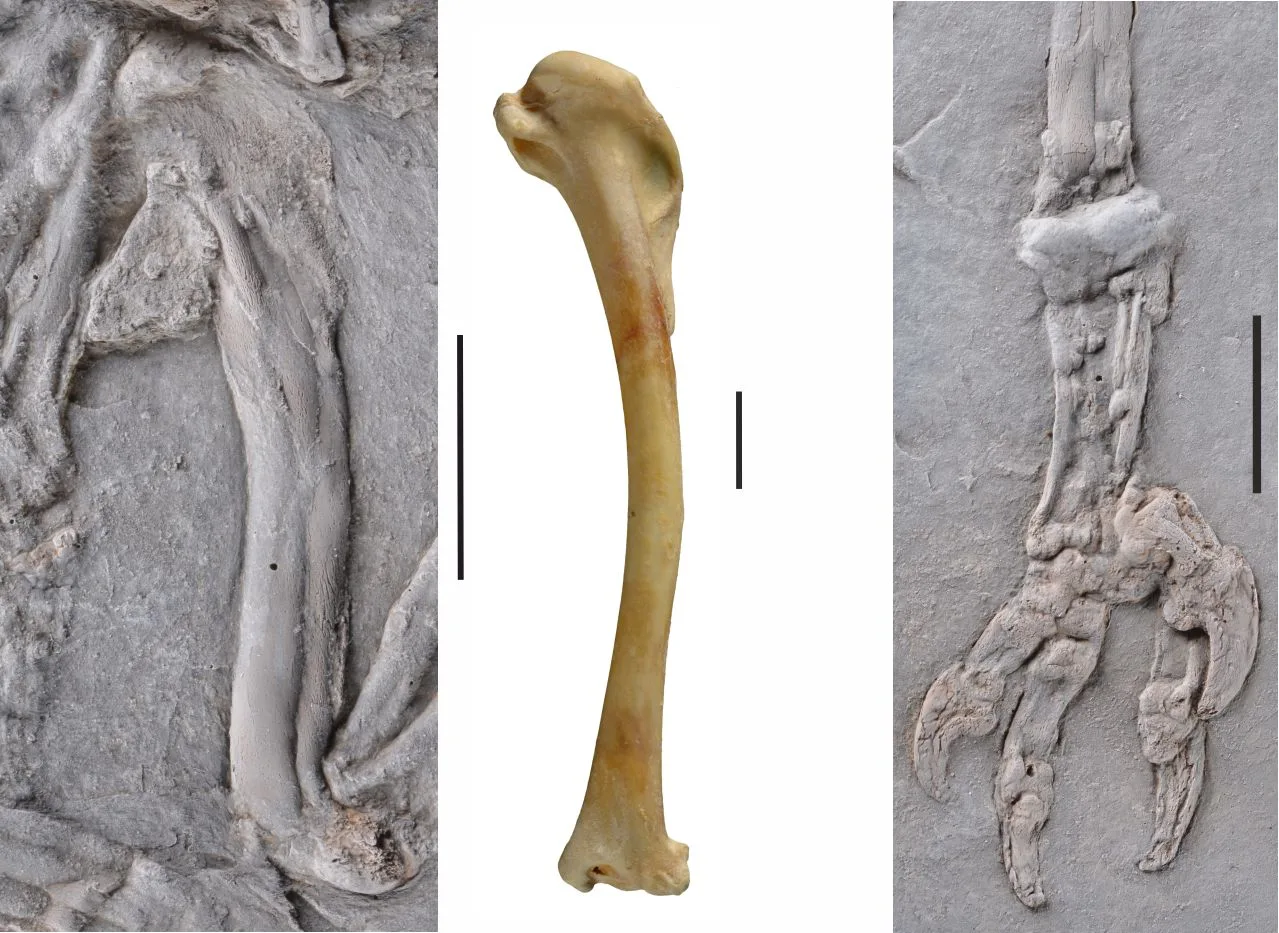
The paper calls this the strongest evidence to date for diurnality in early Paleogene owls, but it rests on a single species. The owl could also have eaten the cockroach at dawn or dusk, Live Science noted, though Mayr considers it plausible that the bird was fully diurnal.23
The insect itself won’t say much more. Mayr told Hooray News the stomach remains are too poorly preserved to identify the species, beyond showing it was active by day. Messel holds numerous cockroach fossils, he added, but they have not yet been studied in detail.4
What comes next for the owl and the hunt for night owls
“It is still unknown when, in the evolutionary history of owls, the transition from a diurnal to a nocturnal lifestyle took place,” Mayr said in the announcement.1 Because the oldest owl with modern-style wing bones lived in France about 35 million years ago, the team suggests the switch to night came roughly 47 to 34 million years ago.1
Narrowing that window will take better fossils. Most owls from that period are known from only a few bones, Mayr told Hooray News, and the team hopes to find more complete skeletons.4
Anyone hoping to see the owl in person will need some patience. “For the moment, the fossil is in our scientific collection, but there may be special exhibitions in the future, where it will be shown,” Mayr wrote.4 The Senckenberg press release and the Current Biology study have the full details.

Did this make your day? Give it a cheer.
Sources
- Not a “night owl” yet: An extraordinary bird fossil from the Messel pit Senckenberg (press release, via PresseBox), 2026-11-03
- Evidence for diurnal habits in an exceptionally preserved Eocene owl Current Biology (Cell Press), 2026-11-03
- Perfectly preserved owl fossil from 47 million years ago could help to solve a major evolutionary mystery Live Science
- Email interview with Gerald Mayr, ornithologist at the Senckenberg Research Institute and Natural History Museum Frankfurt and lead author of the study, Senckenberg Research Institute and Natural History Museum Frankfurt (Nov. 9, 2026) Hooray News interview, 2026-11-09
- A Fossil Owl's Last Meal, a Shiny Cockroach, Hints Early Owls Hunted by Day Hooray News (our earlier story), 2026-11-08