The World’s Heaviest Parrot Went 4 Years Without Breeding, Then Had a Record 90 Chicks
New Zealand's kākāpō now number 325, the highest count of the modern recovery effort, though the species remains critically endangered.

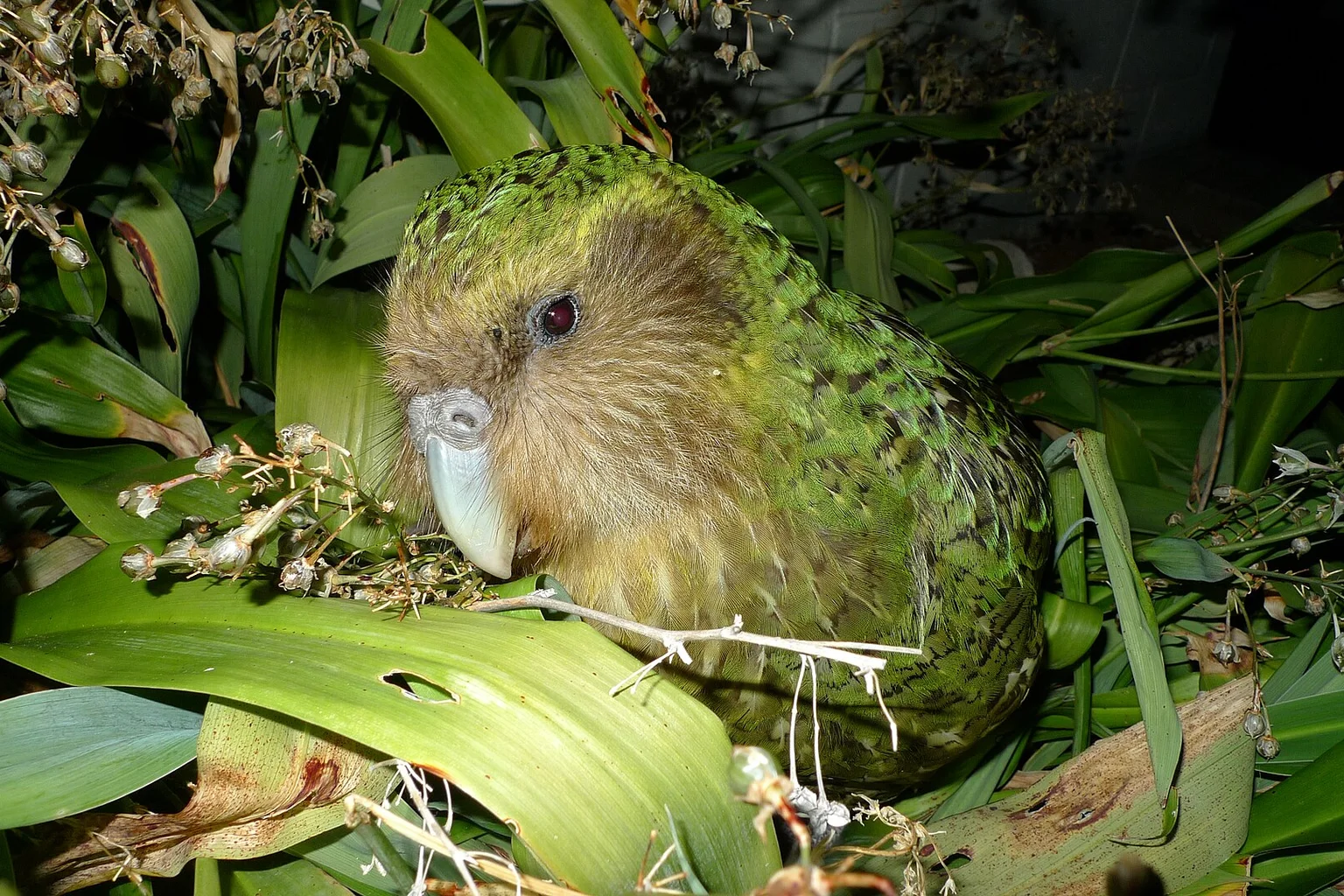
New Zealand’s Department of Conservation (DOC) officially added 90 kākāpō chicks from the 2026 breeding season to the species’ population count on September 1, 2026. That brings the official total to 325 birds, the highest of the modern recovery era.12
For a sense of scale, the recovery programme began in 1995 with just 51 birds: 31 males and 20 females.1 DOC says 90 chicks in a single season is a record. The kākāpō is still critically endangered, and the record and population figures come mainly from DOC’s own announcement.
“There is still a long road of recovery ahead, but ninety chicks in a single season is a record,” Deidre Vercoe, DOC’s Kākāpō Recovery Operations Manager, said in the department’s announcement. “In the early years of recovery, it took 16 years to produce that many chicks.”
Kākāpō are the world’s heaviest parrot. They are nocturnal, and males can weigh up to 9 pounds.3
Why the chicks waited 150 days to count
A kākāpō chick is not added to the official tally the day it hatches. DOC waits until young birds reach 150 days old, when they have fledged and are considered independent enough to join the count.1 The whole class of 2026 went on the books once the youngest surviving chick hit that mark. She is a female known as Awarua-A3.2
The new arrivals are 38 females and 52 males. Earlier in 2026 the population stood at 235, so the 90 chicks take it to 325.4
DOC also says the population is thought to have last topped 300 birds as long as 75 years ago. That figure is the department’s estimate, not a firm count.14
The boom followed a long pause. There had been a four-year gap between breeding seasons before 2026.1
“We had a four-year gap between breeding seasons, so it’s fantastic to finally see the population increase after all that time,” Vercoe said in the announcement.
A season with a lighter touch
Kākāpō recovery has long meant very hands-on care. This season, the programme tried pulling back some of that work. Staff made fewer checks on eggs and chicks, relying on data from remote nest technology to guide when visits were needed. They also cut back on supplementary feeding, meaning extra food put out for the birds.1
“Our focus is increasingly on determining where intensive intervention is still needed and where we can start to return to more natural levels of kākāpō breeding outcomes,” said Tāne Davis, the Te Rūnanga o Ngāi Tahu representative on the Kākāpō Recovery Group, in DOC’s announcement.
The birds breed in three places: Whenua Hou/Codfish Island, plus Pukenui/Anchor Island and Te Kāhaku/Chalky Island in Fiordland.1 Meridian Energy, the programme’s National Partner, says the population has grown by more than 200 kākāpō since it first partnered with the programme in 2016.1
Names, and the next season
Most of the 2026 chicks will be named on the anniversaries of their hatch days, in February and March 2027. A small number will stay unnamed, which would make them the first unnamed kākāpō in modern recovery history.1
The wait for the next batch may also be shorter. DOC modelling suggests the next breeding season could come in 2028, only two years after this one.1
Did this make your day? Give it a cheer.
Sources
- Kākāpō population reaches new milestone: Media release 1 September 2026 New Zealand Department of Conservation, 2026-09-01
- Kākāpō hit milestone not seen for up to 75 years Stuff, 2026-09-02
- Endangered kakapo parrot population reaches 325 in New Zealand after record baby boom NBC News, 2026-09-02
- Population soars for flightless kakapo Australian Geographic, 2026-09
- Kākāpō population reaches 325 after record breeding season Chris Lynch Media, 2026-09-02