Eba, a Rescue Dog Found Wandering in Sacramento, Now Sniffs Out Orca Poop
On Washington's Puget Sound, Eba the rescue dog finds floating scat from endangered Southern Resident orcas so scientists can track each whale's health.

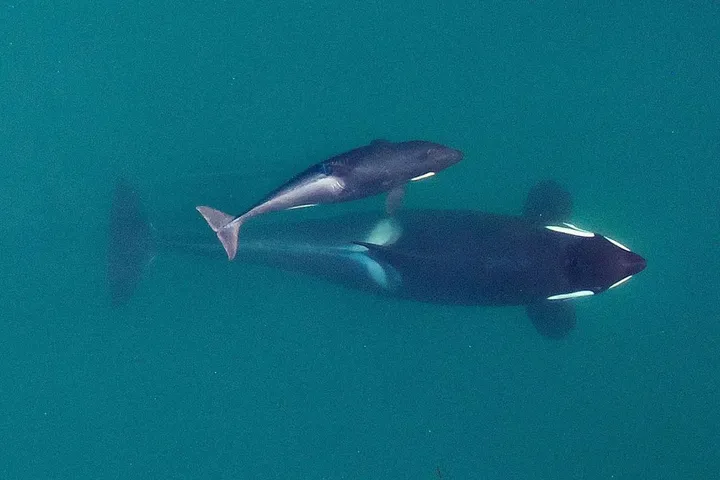
On Nov. 17, an 11-year-old rescue dog named Eba rode at the bow of a research boat on Puget Sound near Bainbridge Island, Washington, sniffing the air for floating scat from endangered Southern Resident killer whales. The samples she helps find, along with whale breath collected by drone, let scientists build health profiles of individual whales in a population of just 76 known animals.12
Eba works with her owner, killer whale researcher Dr. Deborah Giles of the SeaDoc Society, who has tracked the shrinking population for years. On the water, Giles’ husband and research partner, Jim Rappold, holds Eba’s leash while she tests the breeze. When she catches a scent, she whines and paces.1
The job, plainly stated, is detecting whale poop by smell from a moving boat on open water. It does not always go to plan. On the Nov. 17 outing, her handlers couldn’t find the feces she smelled.1
How a dog and a drone run a whale checkup
The SeaDoc Society works with the San Diego Zoo Wildlife Alliance, which brings a drone fitted with petri dishes and microscope slides. James Sheppard, the alliance’s drone pilot and senior scientist, flies it from the bow. The drone hovers high to find a whale, then drops to about a dozen feet above the water and sweeps through the droplets of the whale’s spout, the misty breath it blows out when it surfaces.1
The whales don’t seem to mind. “To them, it’s just a strange seagull that’s been following them for a few seconds,” Sheppard told The Associated Press.1
Speed matters once the drone has its sample. “Once we’ve got the sample it’s important we bring the drone back to the boat as quickly as possible so that the samples don’t get degraded with the wind and the sunlight,” Sheppard said. The drone also carries video cameras and infrared sensors that record the whales’ body temperature.1
Over the years, the team has gathered hundreds of fecal and breath samples. They are analyzed at the San Diego Zoo Wildlife Alliance lab for hormones, bacteria, fungi, parasites and DNA. That makes for a thorough medical exam of a patient who never had to come in for one.12
From Sacramento stray to sea-going sniffer
Eba is a mixed-breed dog who was found wandering in Sacramento. Giles adopted her, and Eba trained through the University of Washington Center for Conservation Biology’s Conservation Canines program, which teaches dogs to find wildlife scat using a toy as the reward.453
The program was founded by Samuel Wasser, and the technique was pioneered in the 1990s. Eba found her first wild whale scat by herself on her second day on the water, July 6, 2019.35
What the samples are showing
Her work is health monitoring, not a direct fix. The findings are sobering. By comparing pregnancy hormones in female whales over time, researchers found that many are having miscarriages. Calf deaths are also high.1
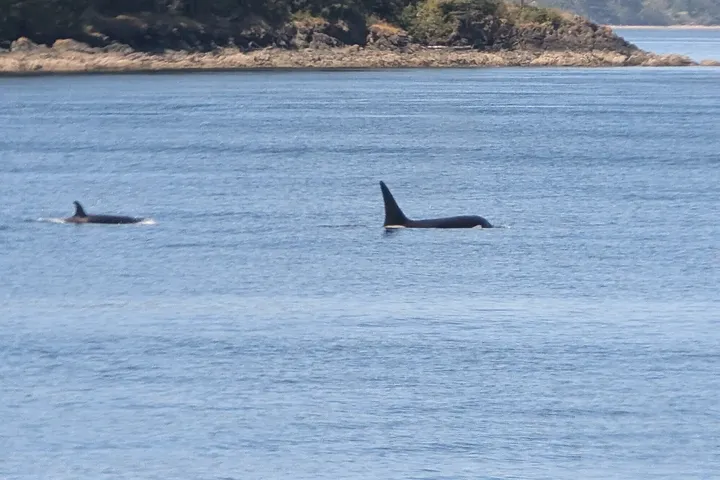
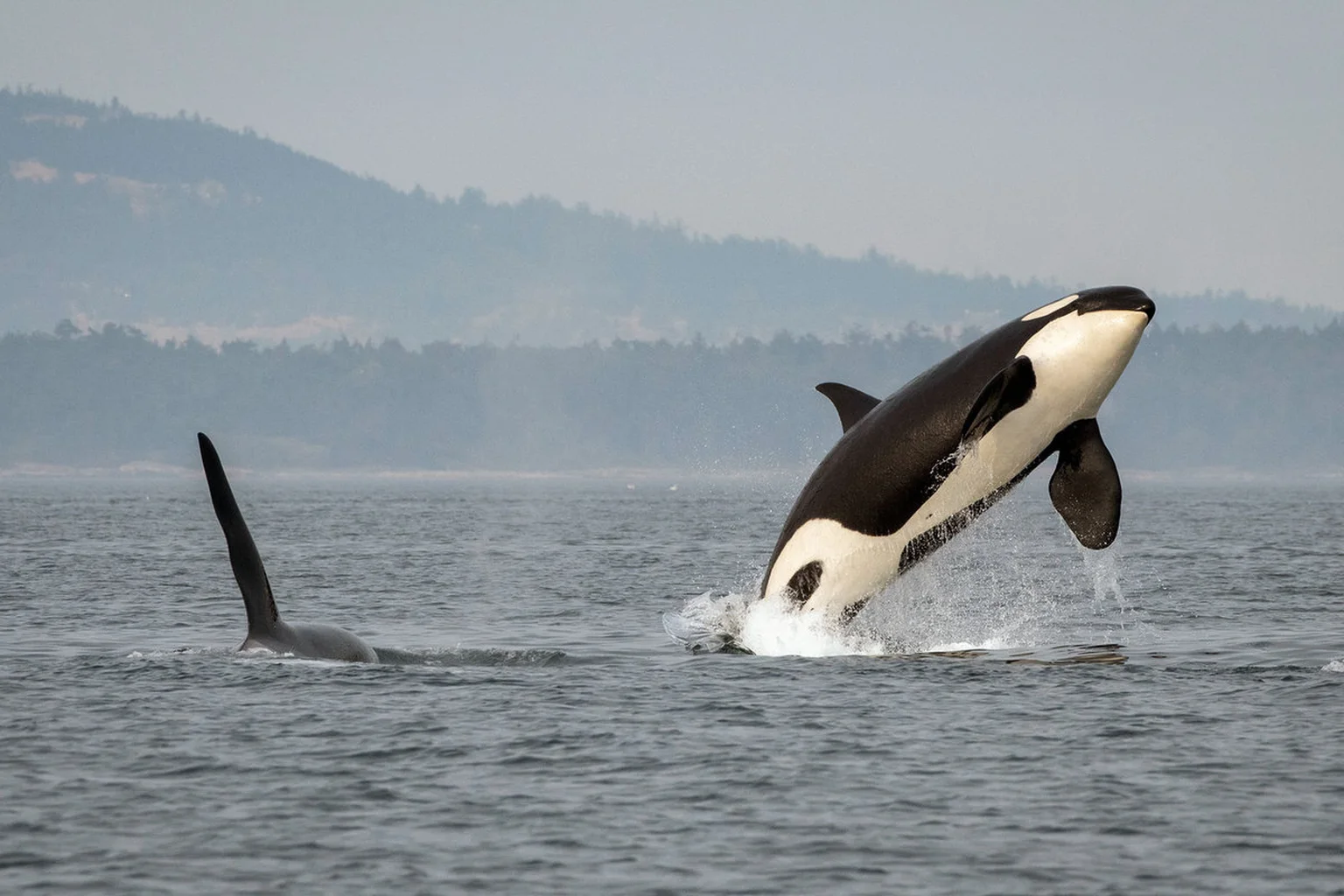
Researchers know of just 76 living Southern Residents, and despite required protections, their recovery is faltering.2 The whales are spending less time in the Salish Sea, the inland waters between Washington State and British Columbia, as they search for food. In the last half-decade, they have hunted coho and chum salmon just north of Seattle in autumn.1
Meanwhile, Bigg’s killer whales, which eat marine mammals, are thriving in the same waters. Giles says that beyond steps such as reducing vessel noise, restoring salmon runs is the most important thing people can do for the Southern Residents.1
“It’s our job to turn back the clock,” she told The Associated Press.1
Did this make your day? Give it a cheer.
Sources
- Meet Eba, the 11-year-old poop-sniffing dog helping to protect endangered orcas Euronews (with AP), 2026-11-27
- Using a drone and a poop-sniffing dog, scientists perform health checks on endangered orcas AP News via myMotherLode.com, 2026-11-27
- How Conservation Canines help save orcas and other endangered wildlife CNN, 2020-12-10
- Meet the rescue dog working to save an endangered species KING 5 (Seattle)
- This rescue dog's poop-sniffing skills are helping save the whales TODAY