Orca Poop Has a Dedicated Sniffer, and She Works From the Bow
In Puget Sound, scientists fly petri dishes through orca breath and follow a rescue dog's nose to check on the 76 remaining Southern Resident orcas.

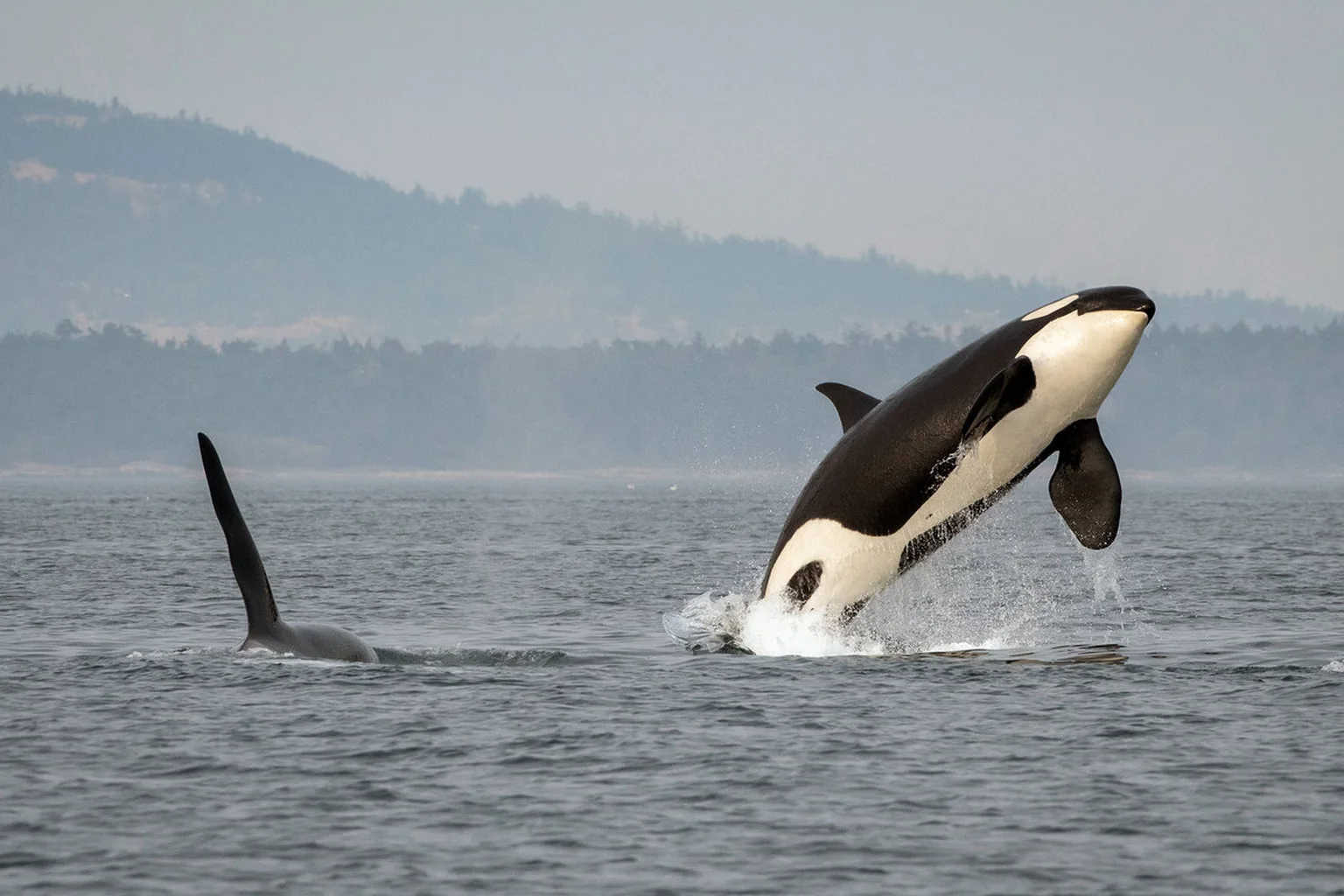
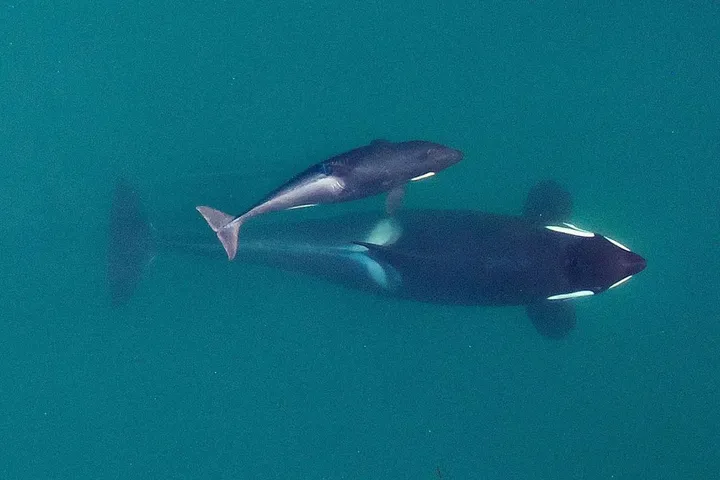
In November, researchers from the SeaDoc Society and the San Diego Zoo Wildlife Alliance ran health checks on endangered Southern Resident killer whales in Puget Sound, just north of Seattle. They used a drone that catches droplets from whale spouts and an 11-year-old rescue dog named Eba who sniffs out floating orca feces.1
The method checks on the whales without anyone touching them. That matters because only 76 Southern Residents remain, and their recovery is faltering despite years of protection.1 The team’s aim is a wellness check on as many of those 76 as it can find.
How to collect whale breath
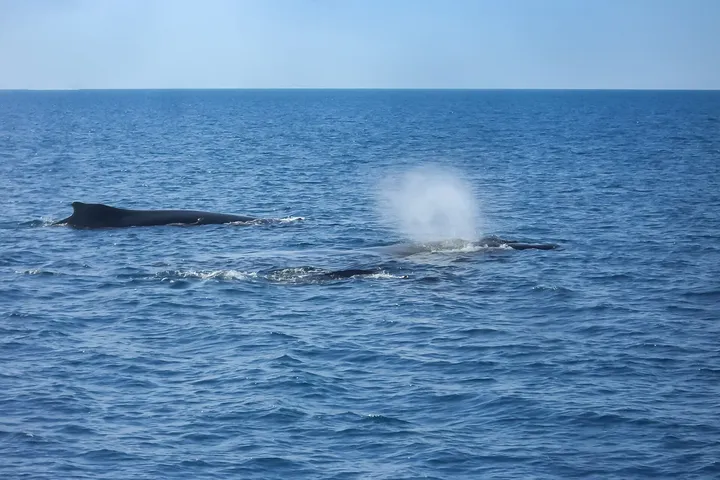
The breath part is handled by James Sheppard, a drone pilot and senior scientist with the San Diego Zoo Wildlife Alliance. He launches the drone from the bow of researcher Deborah Giles’ 22-foot boat. It hovers about a dozen feet above the water, then sweeps through the spray of a whale’s spout, which rises about 6 to 10 feet. Petri dishes and microscope slides mounted on the drone catch the droplets.1
The drone also carries video cameras and infrared sensors that record a whale’s body temperature. The whales, for their part, barely notice.1
“To them, it’s just a strange seagull that’s been following them for a few seconds,” Sheppard told the Associated Press.
A dog with a very specific specialty
The other half of the sampling happens at the front of the boat. Eba stands at the bow and sniffs the air while Jim Rappold, Giles’ husband and research partner, holds her leash. When she catches a scent, she paces and whines.1
Giles adopted Eba as a rescue in 2017.3 Plenty of dogs are enthusiastic about poop. Eba is one of the few whose enthusiasm counts as fieldwork.
The job is not always tidy. On the day the AP described, Eba picked up a scent, but her handlers could not find the feces she smelled.1
When they do find it, a scat sample can reveal an individual whale’s DNA, what it ate recently, whether it is pregnant, how stressed it is and what pollutants it carries.3
Building a medical file for each whale
Over the years, the team has collected hundreds of fecal and breath samples. They hold hormonal, bacterial, fungal, parasitic and DNA information, and the San Diego Zoo Wildlife Alliance lab analyzes them to build health profiles of individual orcas.1
“If we need to intervene, if we need to have a discussion about something that might need to happen to an individual animal, we have that animal’s entire record right there,” Giles told the AP.
Those records have already shown how hard things are for this population. Comparing pregnancy hormones over time revealed that many females are having miscarriages. Calf deaths are also high, something researchers have seen when mothers carry their dead calves.1
It comes back to salmon
Southern Residents depend on Chinook salmon, which have grown scarce. A PBS Nature segment on Giles and Eba says the dwindling Chinook are leaving the whales starving.2 For the last half-decade, the orcas have spent less time in the Salish Sea and have instead hunted coho and chum salmon just north of Seattle in the fall.1
Not all orcas in the region are struggling. Bigg’s killer whales, which eat marine mammals rather than fish, are thriving, and some of their females have a calf every two years.1
Giles says the most important way to help the Southern Residents is to restore salmon runs. Other steps, such as reducing vessel noise, are already in place.1
“They were here before us, long before us,” she told the AP. “It’s our job to turn back the clock.”
Did this make your day? Give it a cheer.
Sources
- Using a drone and a poop-sniffing dog, scientists perform health checks on endangered orcas PBS NewsHour (Associated Press, Manuel Valdes), 2026-11-27
- Orca SOS: Sniffing Out Clues to Save the Southern Residents PBS (Nature)
- Rescue dog helps scientists save orcas — by sniffing out their feces Fox News, 2020-10-09