Pregnant Sea Lions Treat a Dunedin Plant Nursery as a ‘Maternity Ward’
Female sea lions looking for a hidden place to give birth are getting into a Smaills Beach nursery in Dunedin, so volunteers plan a 1.6-meter timber fence.

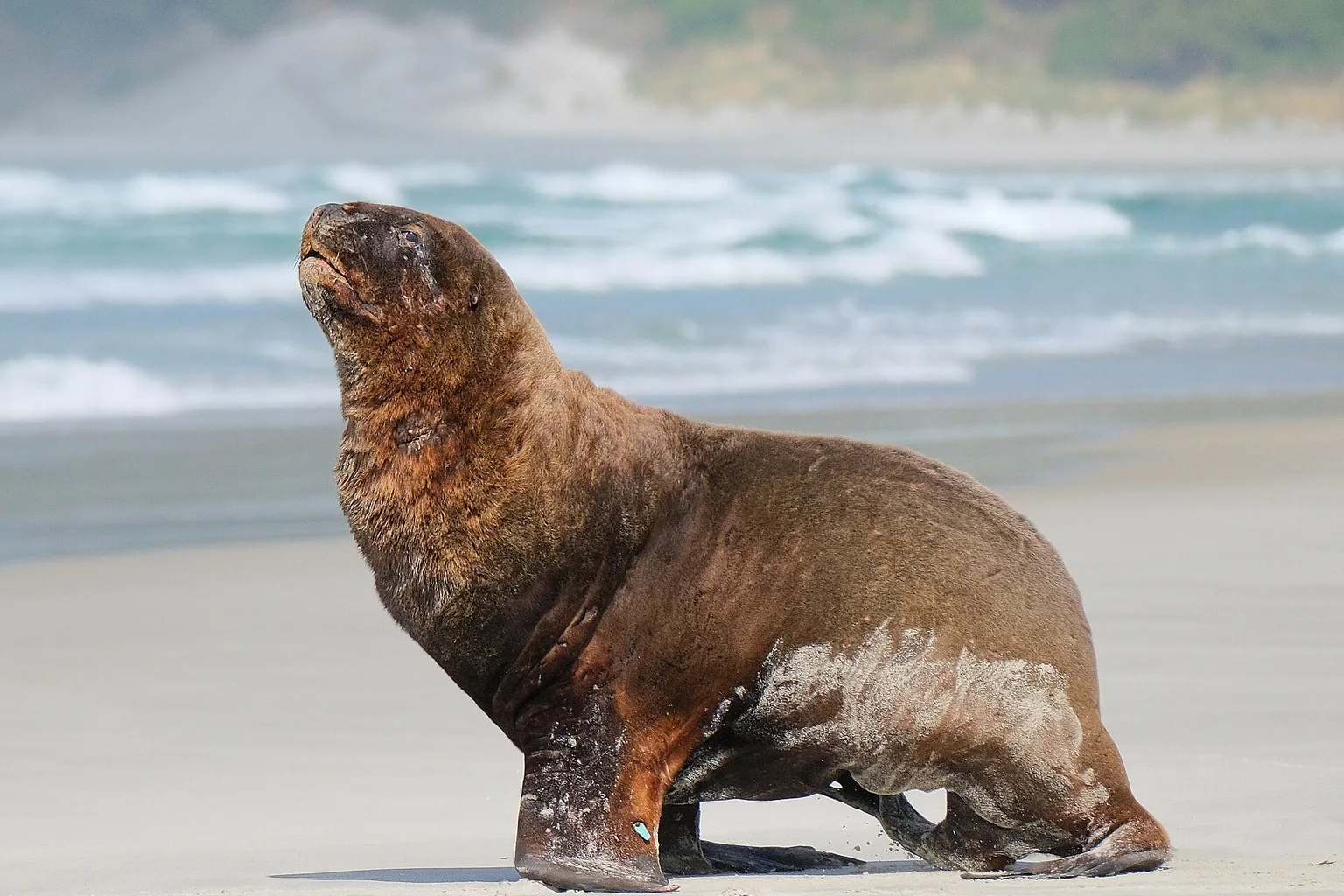
Pregnant New Zealand sea lions are getting into a volunteer plant nursery at Smaills Beach in Dunedin, looking for hidden places to give birth, RNZ reported on Nov. 17.1 The Tomahawk Smaills BeachCare Trust plans a 1.6-meter timber fence, and the Otago Peninsula Community Board has granted NZ$2,000 (about US$1,150) toward it, The Star reported in October.3
The fence is planned, and the grant covers only part of the bill. The whole project is expected to cost about NZ$14,000 (about US$8,000).3
New Zealand sea lions are a threatened species, and they are breeding on Dunedin’s beaches.
Why the sea lions want in
The nursery sits in the middle of a sea lion breeding area. Nursery manager Dr Nicole Bezemer told RNZ’s Checkpoint that pregnant females leave the beach and head inland.2
“They’re moving away from the ocean, away from the beaches, up through the dunes, and they’re looking for spots where they can hide away from male sea lions who are on patrol,” Bezemer said in the Checkpoint interview.2
Bezemer described the nursery as a destination maternity ward for pregnant sea lions.12
She said the animals are not bursting through fences. Pregnant females are extremely discreet, and their resourcefulness has surprised some people.12
“What we see with our sea lions around the Otago Region is that they’re large animals, but they’re amazingly nimble when it comes to a regular stock fence,” she said.2
A guest list with names
The local animals are well known enough to have names. The Otago Daily Times’ community paper, The Star, reported in October that a female named Gem has had two pups and Mahira has had three. Another, Tektite, gave birth at the volunteers’ shelter and then moved into the nursery. A fourth, Vega, was about a meter off the road.3
The males are less subtle. Two big bulls fought over a female near the nursery, and Bezemer saw two males clash about 20 meters from her home.3
“Two sea lions fighting is basically like emotionally charged bulldozers driven by jealousy over a woman,” Bezemer told The Star.3
Bull sea lions can weigh more than 400 kilograms, which is why a solid wooden fence was the preferred option.3
The rabbits are the quieter problem
Rabbits are now getting through the nursery’s compromised pest fence to eat native plants, and Bezemer estimates more than 500 plants have been lost to them.13
Those losses matter because the nursery has a job to do. It grows about 4,000 plants a year to replant the dunes and hold the sand in place.4 Sea lion activity has sometimes forced it to close for two or three months of the year.3
The fix: a bull yard for the dunes
The plan is a sturdy treated timber fence about 1.6 meters high, meant to keep out both sea lions and rabbits. Bezemer compared it to a Texan bull yard.12
Did this make your day? Give it a cheer.
Sources
- Why sea lions are breaking into a Dunedin plant nursery RNZ, 2026-11-17
- Why sea lions are breaking into a Dunedin plant nursery The Press (republished RNZ Checkpoint story), 2026-11-17
- Brawling bulls and hungry bunnies causing havoc at plant nursery Otago Daily Times (The Star), 2026-10-24
- Smaills Beach Wikipedia