Peru’s Pelicans Cut the Ribbon on a Rehab Center by Flying Out of It
Seven or eight rescued Peruvian pelicans returned to a beach near Lima as Peru opened a state-run rehab center for seabirds weakened by El Niño warming.

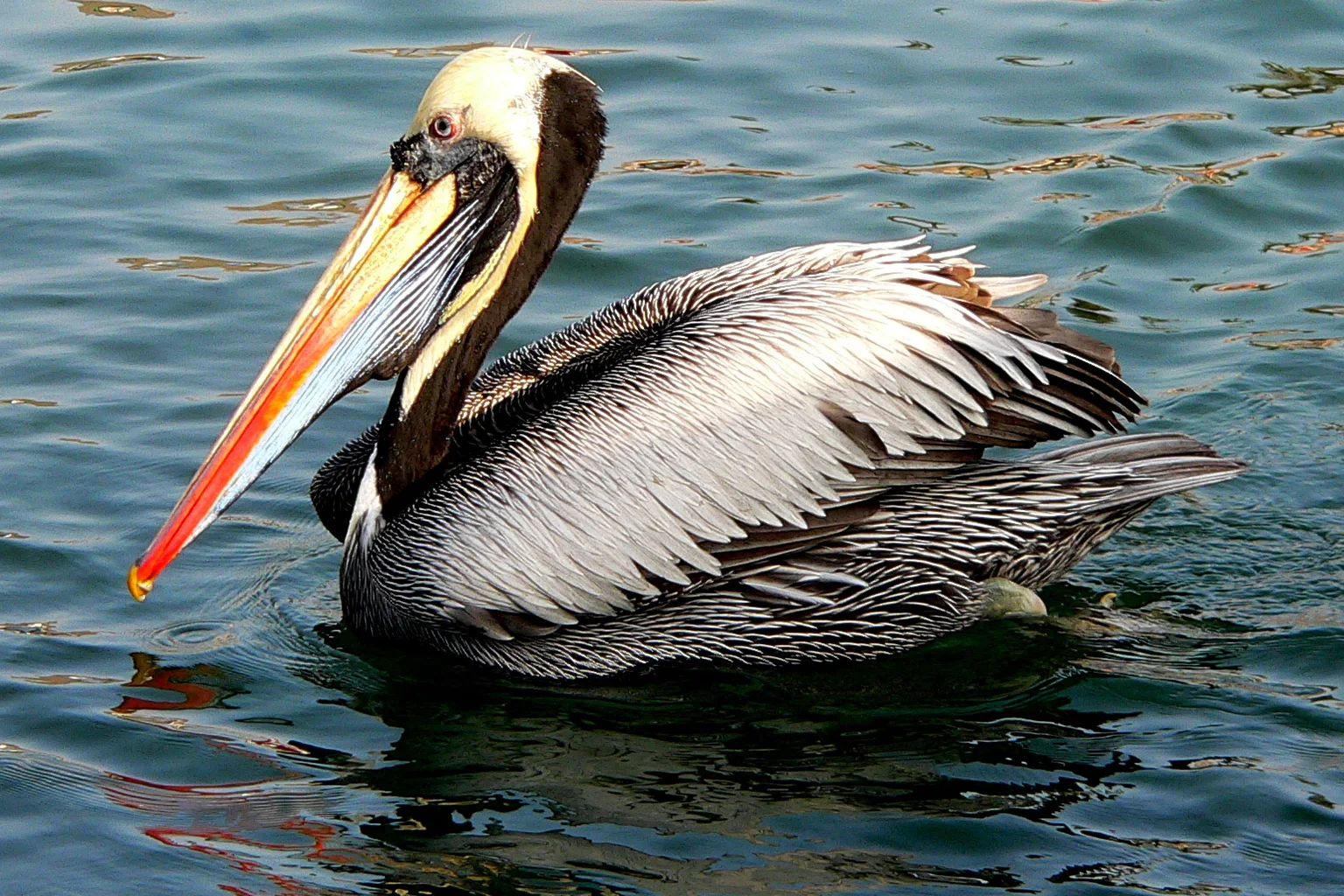
On Nov. 17, Peru released a small group of rehabilitated Peruvian pelicans on a beach near the Los Pantanos de Villa Wildlife Refuge, close to Lima. The release marked the opening of what Euronews and the news agency EFE report is the country’s first state-run rehabilitation center for marine wildlife affected by El Niño.12
The reports disagree on the head count by exactly one pelican. Euronews says seven birds went back to the wild after about a month of care. EFE’s report says eight.12
Either way, the birds that left had passed through a facility built for this crisis. Peru’s coast is dealing with warmer ocean water linked to El Niño, the periodic warming of the Pacific. That warming is disrupting food supplies and leaving seabirds weak.1
What the center does
The center was set up by SERFOR, Peru’s national wildlife service, and Universidad Científica del Sur. According to Euronews, it can care for more than 100 marine and coastal animals at a time, with veterinary treatment and supervised feeding before release.1
EFE reports it was designed especially for three species: Humboldt penguins, Peruvian pelicans and Peruvian boobies. Animals move through five stages:2
- Triage, to decide who needs help most urgently
- Quarantine and treatment
- Rehabilitation
- A pre-release check, including whether the bird can fly
- Release
That fourth step is the one that matters most to a pelican. A seabird that can’t fly well can’t feed itself, so release has to wait until it can.2
Not every patient left on opening day. Two Humboldt penguins stayed behind at the facility.1
A small rescue against a big toll
The release was a good day, but it came against a grim backdrop. In early November, SERFOR recorded 5,556 marine and coastal animals of 37 species along the coast outside protected natural areas. Of those, 5,459 were found dead.23
The species reported most often were the Peruvian booby, cormorant, Peruvian pelican, sooty shearwater and sea lion.2 In Pisco, hungry pelicans and marine mammals have moved into fishing terminals and onto roads looking for food, EFE reported.2
Walter Silva, a wildlife veterinarian, framed the larger problem in EFE’s report:
“If we don’t take action against climate change, later it will be worse.” (translated from Spanish)2
What comes next
One center that holds about 100 animals is a start, not a solution. Authorities plan three temporary rehabilitation centers with a combined capacity of about 3,000 animals, along with new permanent veterinary spaces and stronger wildlife monitoring along the coast.23
Agriculture and Irrigation Minister Marco Vinelli spoke at the inauguration. He highlighted the push to protect vulnerable species such as pelicans and Humboldt penguins and said the center would address El Niño’s effects on wildlife.23
For now, a few pelicans that were too weak to feed themselves a month ago are back on the coast near Lima, and the center has room for many more.

Did this make your day? Give it a cheer.
Sources
- Video. Peru releases seven pelicans rescued from El Niño's effects Euronews, 2026-11-18
- Perú inaugura su primer centro de rehabilitación de fauna marina y libera ocho pelícanos Diario Correo (EFE wire), 2026-11-17
- Liberan a ocho pelícanos rehabilitados en primer centro de fauna silvestre marina de Perú Noticias SIN (EFE wire), 2026-11-17