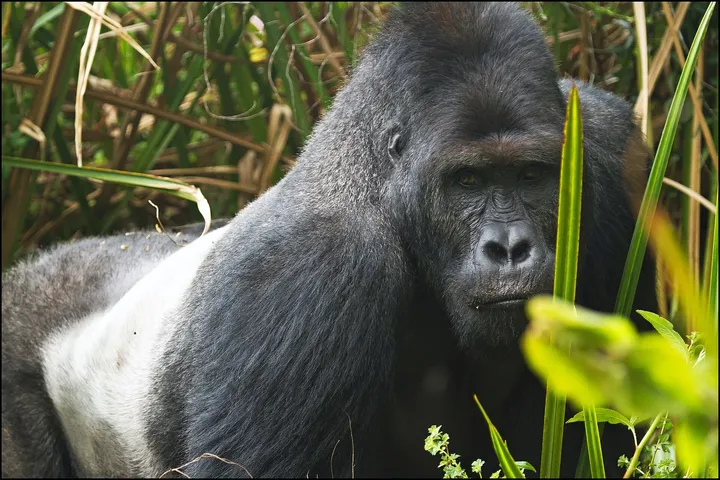
Two Gorillas Couldn’t Climb the Tree, So One Climbed the Other
At Israel's Ramat Gan Safari, two untrained gorillas took the same climber and platform roles three times, a rare bit of ape teamwork from a small study.

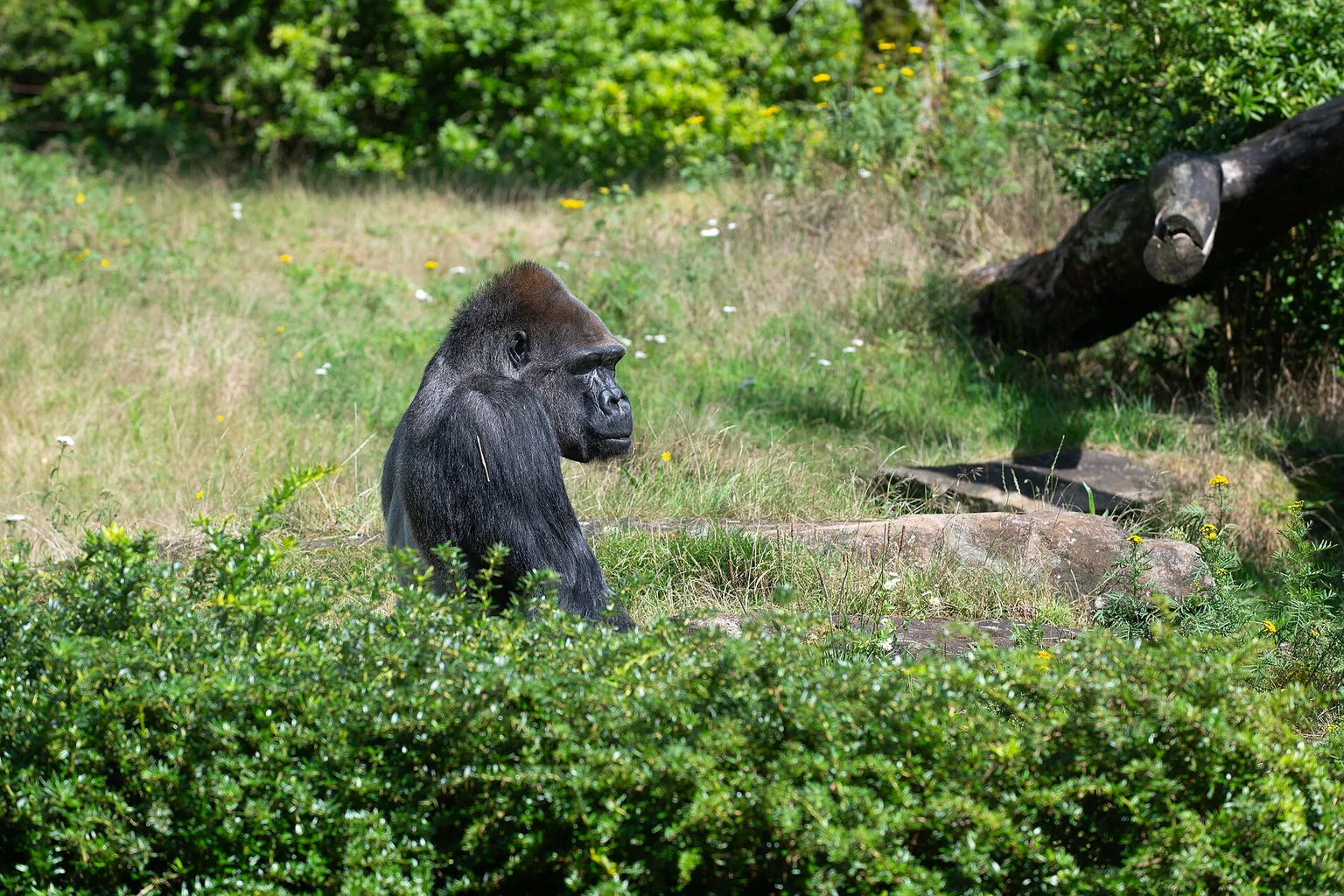
Two female western lowland gorillas at the Ramat Gan Safari in Israel have been documented forming a living ladder to reach high branches. Half-sister Lisha stands on all fours while Amelia climbs onto her back. Tel Aviv University researchers described three such events, from 2021, 2024 and 2025, in a study published online Oct. 26 in the journal Primates.1
The university announced the findings on Nov. 16. Neither gorilla had been trained to do this, and each took the same role every time.1 The researchers describe it as a rare example of spontaneous cooperation between adult gorillas. They are also clear that it rests on just two animals and three events.1 Haaretz noted that spontaneous cooperation with divided roles has hardly ever been reported in gorillas before.4
How the keepers found out
The best-documented event came to light in September 2024. Keepers found the two females calmly eating bark and leaves from a large branch that should have been out of their reach. They went back to the security camera footage to see how it got there.1
The video shows Amelia climbing onto a rock beneath a Peltophorum dubium tree. Lisha joined her and stood on all fours. Amelia then climbed onto Lisha’s back and broke off a branch about 4.5 meters above the ground.1
An electric barrier around the trunk kept the gorillas from climbing the tree directly.1 Technically, the barrier did its job. Nobody climbed the tree.
The other two events are less thoroughly recorded: a keeper’s photo from 2021 and a keeper’s video from 2025, according to Haaretz.4 In the June 2025 video, Lisha walked up to Amelia and turned her back, ready to support the climb. Amelia was not seen pushing or forcing her into place, and Lisha’s participation appeared voluntary.1
“Our observations reveal how two gorillas can join forces and assume complementary roles to solve a problem that neither can solve on her own,” Prof. Israel Hershkovitz, a study co-author, said in the university’s announcement.1
Teamwork without togetherness
The researchers call this cooperation because each gorilla’s actions depended on the other’s, and both appeared aimed at the same immediate goal: getting that branch down.1
Sharing the reward is another matter. After the 2024 event, keepers reported the two eating together peacefully. In 2025, Amelia ate the vegetation by herself.1 Amelia is the dominant sister, Lisha the subordinate one.3 The researchers say working together to get food and then sharing it are separate parts of social behavior.1
The sisters are not especially close, either. They sleep in separate night quarters and rarely groom each other, which suggests effective teamwork can happen without a tight social bond.1
Lead author Michael Levitzky said in the announcement: “When I first watched the footage, it was clear to me that this was something extraordinary.”1
What the footage can’t show
The cameras captured what the gorillas did, not what passed between them. The footage cannot show whether they communicated through sounds or subtle gestures, or whether they planned the climb in advance.1 Calling it cooperation is the authors’ interpretation of what they saw, and the researchers say more observations will help refine the picture.1
Hershkovitz, of the university’s Department of Anatomy and Anthropology and the Dan David Center for Human Evolution and Biohistory Research, sees a link to our own past. He says the observations offer a partial explanation for how early humans survived on the savanna, through social support and cooperation that can happen without language or advance planning.1
Yehonatan Samocha, head of the Primate Section at the Ramat Gan Safari, offered a different kind of lesson in the announcement: “Sometimes, our surprise tells us more about our expectations of animals than their actual abilities.”1
Did this make your day? Give it a cheer.
Sources
- Two gorillas formed a “living ladder”: One climbs on the other's back to reach high branches Tel Aviv University via EurekAlert!, 2026-11-16
- Two gorillas form a 'living ladder' to reach high branches Phys.org, 2026-11-16
- Two Gorillas Cooperate to Reach Food, Using Each Other as Ladder Sci.News, 2026-11-17
- Suddenly, Gorillas Are Exhibiting Sophisticated Cooperation Haaretz, 2026-11-16