Wellington Lakes Mulled Reintroducing Fernbirds. A Survey Found Them Already There
Mātātā had gone unrecorded at Parangarehu Lakes for about 70 years, and iwi and the council credit predator control and wetland care for the return.

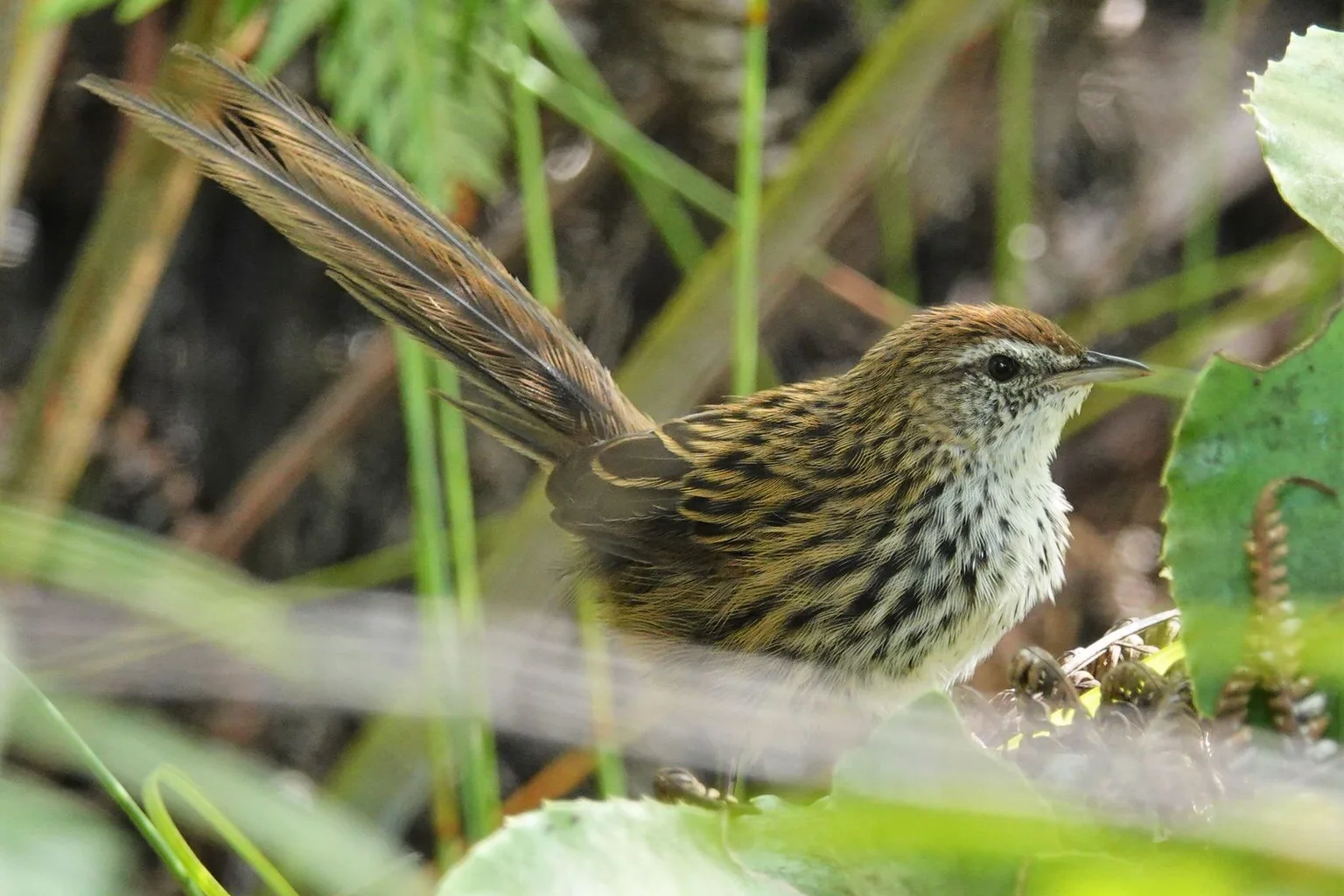
Mātātā, or fernbirds, have been found at Lake Kōhangaterā in East Harbour Regional Park, part of the Parangarehu Lakes near Wellington, New Zealand. The area had gone about 70 years without a recorded sighting of the species, Greater Wellington Regional Council announced on October 23, 2026.1
That 70-year figure is approximate and applies to this spot, not the whole region. Fernbirds already live elsewhere around Wellington, so this is a story about birds spreading somewhere new, not a lost species rediscovered.1
It matters because the birds are classed as regionally Threatened: Vulnerable. The council and Taranaki Whānui link their return to years of predator control and wetland protection.12
A bird that is hard to find and slow to travel
Mātātā are found only in Aotearoa New Zealand, and the Department of Conservation lists them nationally as at risk and declining.4 They live in dense wetland vegetation, eat insects and other small invertebrates, and spend most of their time inside the canopy of shrubs. That makes them very hard to spot.1
They are also poor flyers. Bird surveyor Shane Cotter said that is why finding several of them at the lakes was a surprise.1
“This is exciting news as fernbirds have been absent from the lower North Island (Wellington and Wairarapa) for around 70 years except for a few small populations on the Wellington’s west coast,” Cotter said in the council’s announcement.1
According to the council, these sightings are the farthest from the region’s other known fernbird populations, which suggests the birds are moving into new territory.1
Those other populations have made news before. Nine fernbirds were documented at Taupō Swamp near Plimmerton between October 23 and December 1, 2023, the first official record there. Fernbirds have also been moved to Pauatahanui Reserve.45
They skipped the reintroduction plan
The lakes’ caretakers had been talking about bringing mātātā back. Before anyone did, the birds had already arrived.
“We recently discussed the re-introduction and return of Mātātā, so a baseline survey was conducted, and we found that they had returned on their own,” said Lee Hunter, representing Taranaki Whānui, in the announcement.1
A baseline survey is a first count that records what lives in a place before any changes are made. In this case, it showed the change had already happened.
The area is looked after by Rōpū Tiaki o te Parangarehu Lakes Area, a co-governance group of Taranaki Whānui and Greater Wellington, working with iwi members and volunteers. Their work includes predator control and preventing further damage to the wetland.1
“It’s fantastic to see mātātā at Parangarehu Lakes,” said Jack Mace, Greater Wellington’s Director of Delivery, in the release.1
Why a few small birds count for a lot
Wetlands like this one are rare. More than 90 percent of New Zealand’s original wetland area has been lost since human settlement, and less than 3 percent of wetlands remain in the Wellington region.1 That makes a threatened wetland bird turning up in one of the survivors good news.
Surveys at Parangarehu Lakes will continue so the council and its partners can learn more about the fernbirds there.1

Did this make your day? Give it a cheer.
Sources
- First Sighting Of Threatened Native Bird At Parangarehu Lakes In 70 Years Greater Wellington Te Pane Matua Taiao (press release via Scoop), 2026-10-23
- Native bird spotted in Wellington for first time in about 70 years RNZ, 2026-10-23
- First sighting of rare native bird in 70 years Wellington.Scoop, 2026-10-23
- Rare fernbird photographed at Wellington swamp after restoration RNZ, 2024-07-02
- First Photograph Of Elusive Mātātā Captured In Wellington Wetland Greater Wellington (press release via Scoop), 2024-07-02
- Fernbird | mātātā New Zealand Birds Online, 2026-01-01