Chinook Salmon Reclaim 88% of Historic Klamath Range After Dam Removal
Sonar shows thousands of Chinook moved into the reopened Klamath within two years, an early win for the largest dam removal yet. No RSVP required.

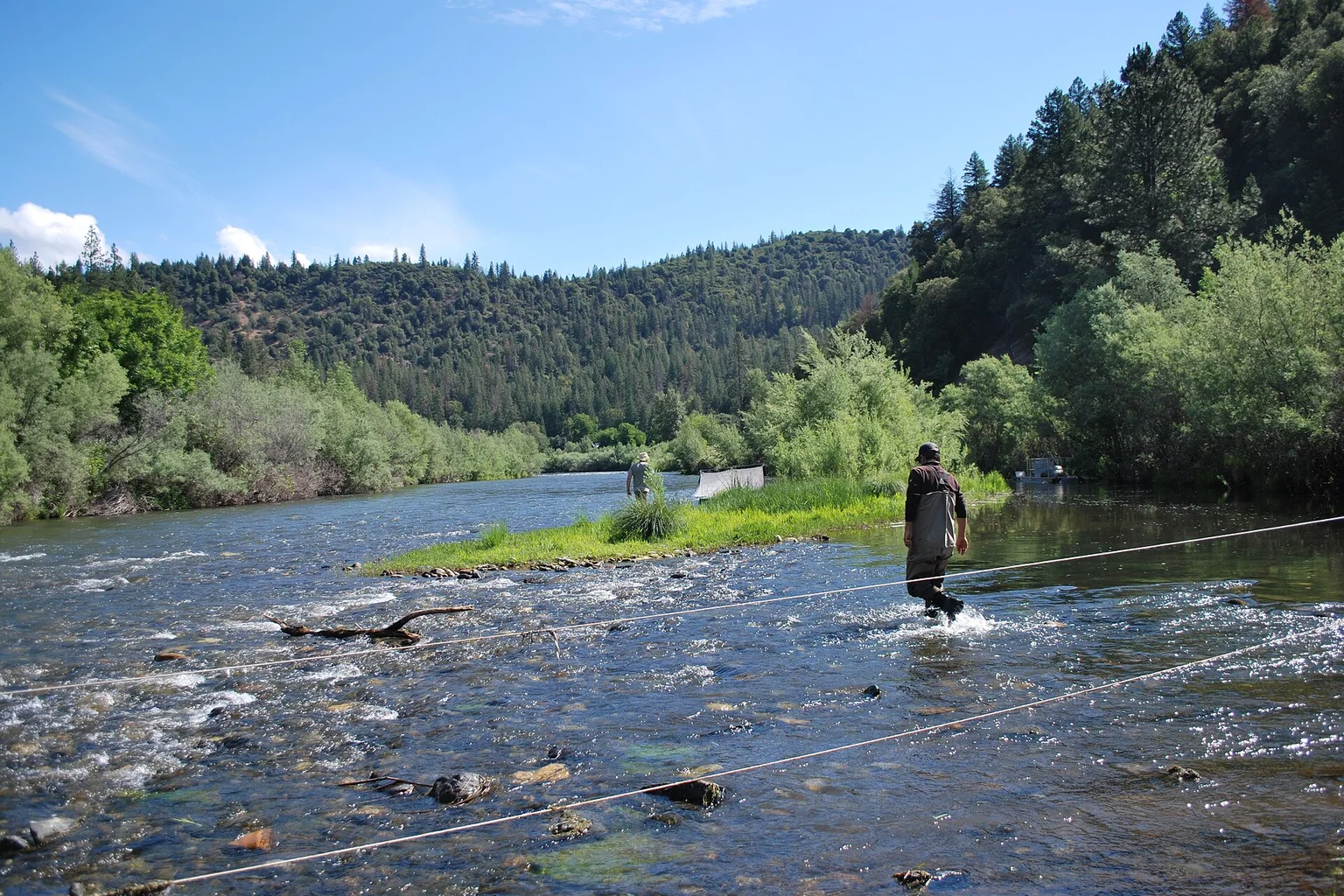
In 2025, an estimated 13,310 adult Chinook salmon swam up the Klamath River past the spot where Iron Gate Dam used to stand. That’s nearly twice as many as the year before, and not one of them paused to say a few words about the dam.3
The count comes from a peer-reviewed study in Scientific Reports, published Aug. 27, 2026. It’s the first hard tally of how salmon responded after four hydroelectric dams came out of the Klamath in 2024. Think of it as the fish’s first report card, graded without a curve.1
The paper calls it the largest dam removal project completed to date. Pulling those dams reconnected more than 640 kilometers (nearly 400 miles) of habitat for anadromous fish. That’s the science word for fish that hatch in fresh water, grow up in the ocean and come back upriver to spawn, like a college kid who comes home mostly to do laundry.1
In the first season after removal, researchers estimated 7,742 Chinook moved upstream. In the second, 13,310. Those fish made up about 18% to 19% of all the salmon returning to the Klamath River Basin. Not bad for an open house nobody advertised.3
First author Damon Goodman told Mongabay, “What surprised us was the speed and scale of their response – it felt like we were running to keep up with the fish!”2
How to Count Fish in Water You Can’t See Through
After the dams came out, the river stayed very cloudy. According to Goodman, that made regular underwater video cameras close to useless, which is a lot of nice equipment to point at soup.2
So the team set up a stationary multibeam imaging sonar, a device that builds a picture from sound waves instead of light. It sat in place and recorded adult salmon as they passed into the newly opened stretches of river, like a very patient bouncer with no guest list.3
Goodman put it simply: “Think of it as an underwater video camera that can see through muddy water, even in complete darkness.”2
Where the Salmon Went: Almost Everywhere They Used To
The fish didn’t just poke their noses past the old dam sites. Within those two seasons, Chinook spread into 345 kilometers (about 214 miles) of reconnected habitat. That covers 88% of the range where they were historically documented. Some climbed to elevations of about 4,100 feet, a serious commute for anyone without legs.3
It wasn’t an easy swim. To get there, salmon had to pass the dam removal sites, tricky stretches of fast and turbulent water, and engineered fishways, which are built channels that help fish get around obstacles. Picture a ninja obstacle course where everyone is already soaking wet and nobody gets a T-shirt.3
Scott Hinch, a salmon ecologist at the University of British Columbia who wasn’t part of the study, told The New York Times the speed of the recovery is remarkable, Mongabay reported. That is high praise from someone who studies salmon for a living.2
That speed matters because the Klamath’s migratory fish have had a rough century. Dams, past over-harvest, land use, water withdrawals and disease together cut those populations by more than 90%.1 Losing access to cold upstream water also helped wipe out the river’s spring-run Chinook, a type that heads upriver in spring rather than fall.1
What Comes Next: Did Anybody Settle Down?
The study counted fish moving upstream and mapped where they went. It did not measure whether they spawned successfully or whether the population is recovering. In other words, scientists know who showed up to the party, not who stayed to raise a family. The authors say answering that will take monitoring over several generations of salmon.1
Long-term recovery will also depend on better habitat, water quality and fish passage, the researchers write.1 As Goodman told Mongabay, “Dam removal was an enormous step forward, but it doesn’t eliminate all the challenges facing salmon.”2
Scientists are watching for one more thing. With the upper river open again, spring-run Chinook, missing from the upper basin for decades, may have a chance to come back.5 The next few years of counts will show whether this fast start turns into fish that stay and raise the next generation. The sonar, presumably, will keep its post by the door.
Did this make your day? Give it a cheer.
Sources
- Rewilding the upper Klamath River Basin: rapid recolonization of Chinook salmon following the world’s largest dam removal Scientific Reports (Nature Portfolio), 2026-08-27
- Chinook salmon return to historical habitat following removal of four US dams Mongabay, 2026-10-12
- Rewilding the upper Klamath River Basin: rapid recolonization of Chinook salmon following the world's largest dam removal - PubMed PubMed / National Library of Medicine, 2026-08-27
- Klamath Salmon Have Reclaimed 88% of Their Historical Habitat Since the Dams Came Down Active NorCal, 2026-10-13
- World's largest dam removal leads to rapid recolonization Conservation Corridor, 2026-09
- Klamath River Salmon Dam Removal Achieves Historic Recovery Onsite Global Media
- The Salmon Came Back: New Published Study Confirms Rapid Chinook Return in the Klamath River After the World’s Largest Dam Removal CalTrout