At Least 4 of 6 Captive-Bred Rare Snakes Survive First Months in the Wild
At least four of six captive-bred broad-headed snakes released in May in New South Wales' Shoalhaven region have survived so far, in a small, early pilot.

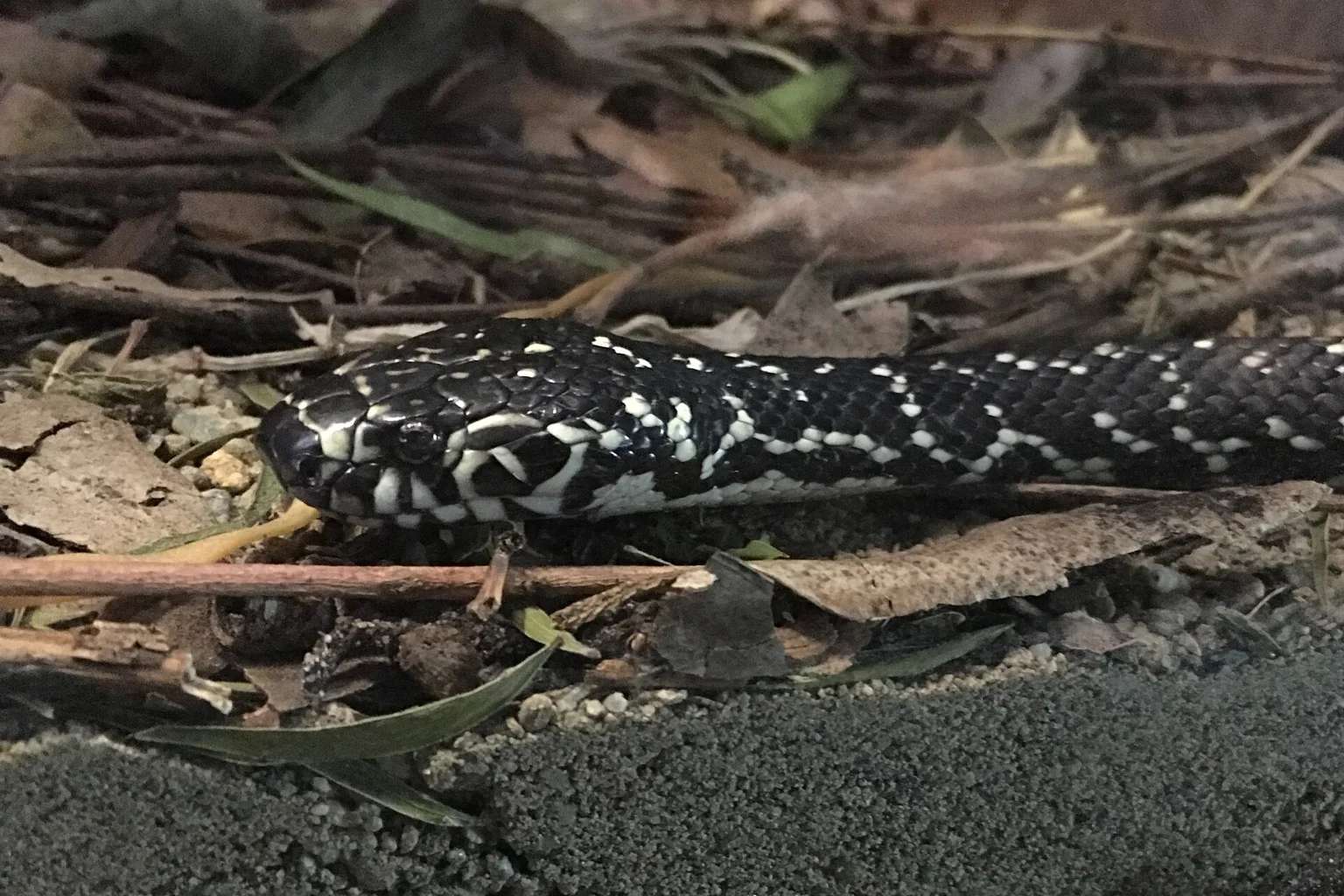
Six captive-bred juvenile broad-headed snakes, an endangered Australian species, were released in mid-May under specially designed artificial rocks in restored habitat in the Shoalhaven region of New South Wales. Researchers at the University of Technology Sydney (UTS) reported on Nov. 6 that at least four had survived the first few months.1
That matters for a snake found only in the Sydney sandstone basin and the ranges around it.2 The project partners call the release a world first. Ausleisure reports that the only other snake reintroduction in Australia failed because predators ate the snakes.3
It is still early. Only six snakes were released, the results cover just the first few months, and long-term success is not yet proven. Both the world-first label and the survival figures come from the project partners themselves, and the counts differ by source. An earlier report from Aussie Ark’s side said Prof. Jonathan Webb had confirmed three of the six alive, with the others possibly alive but not yet confirmed.3
Rocks the snakes need and landscapers want
Broad-headed snakes are nocturnal and depend on rocks. They use them to thermoregulate (warm up or cool down to the right body temperature), to hide and to attract prey.2
The trouble is that people like those rocks too. The snake’s habitat has been damaged by illegal rock removal for landscaping, and slow reproduction and poaching have added to its decline.25
That is why the released snakes went straight under artificial rocks built for the purpose. “Our pilot program using artificial rocks is vital to ensuring the snakes’ survival,” Webb, a wildlife ecologist at UTS, said in Aussie Ark’s announcement.2
From 17 wild adults to six released juveniles
The breeding program began in October 2024, when the conservation group Aussie Ark secured 17 wild adult broad-headed snakes.2 Eight young snakes have been bred in captivity since then. Two were kept back because of their valuable genetics, and the other six went to the habitat restoration sites.12
Each snake has its own unique head marking, which lets Aussie Ark identify every released animal individually.2
Webb leads the rewilding program with Aussie Ark and the Traditional Owners of the Shoalhaven region.1 His team of UTS researchers and Indigenous rangers has surveyed the release sites every two weeks since the snakes went out.3 The program also trains and supports Indigenous rangers to monitor and protect the species on Country.1
What comes next
Webb’s lab describes the May release as the first experimental reintroduction of captive-reared broad-headed snakes, and as a pilot study meant to guide future releases.4
Over the next few years, Webb says, the focus will be on restoring more habitat and releasing more captive-bred snakes at selected sites.1
Did this make your day? Give it a cheer.
Sources
- World-first successful wild release of endangered broad-headed snake Phys.org (UTS release), 2026-11-06
- World First Broad-Headed Snake Release Aussie Ark, 2026-05
- Aussie Ark flags success of its world-first wild release of endangered Broad-headed Snake Ausleisure
- The Wildlife Lab - Wildlife Ecology and Conservation Biology UTS (Prof. Jonathan Webb's lab)
- Completing Our Wild Broad-Headed Snake Collection Aussie Ark