Nature Groups and a 30-Minute Chat Both Eased Loneliness in Barcelona Trial
In a Barcelona trial of 320 lonely adults, loneliness fell about 17% over a year, and the facilitated nature groups helped the loneliest people most.

In a randomized trial of 320 lonely adults in 12 low-income neighborhoods around Barcelona, Spain, loneliness dropped for people who joined a nine-week nature group program called Friends in Nature and for people who got a single 30-minute interview plus a list of local nature activities. The results were published in August 2026.1
The trial found no significant difference in loneliness between the two approaches at three months. The people who started out loneliest and least emotionally well did get more out of the groups, though.1 For anyone trying to help a lonely neighbor or parent, that is a useful finding. It suggests the right amount of support may depend on how isolated a person already feels.
What the two groups actually did
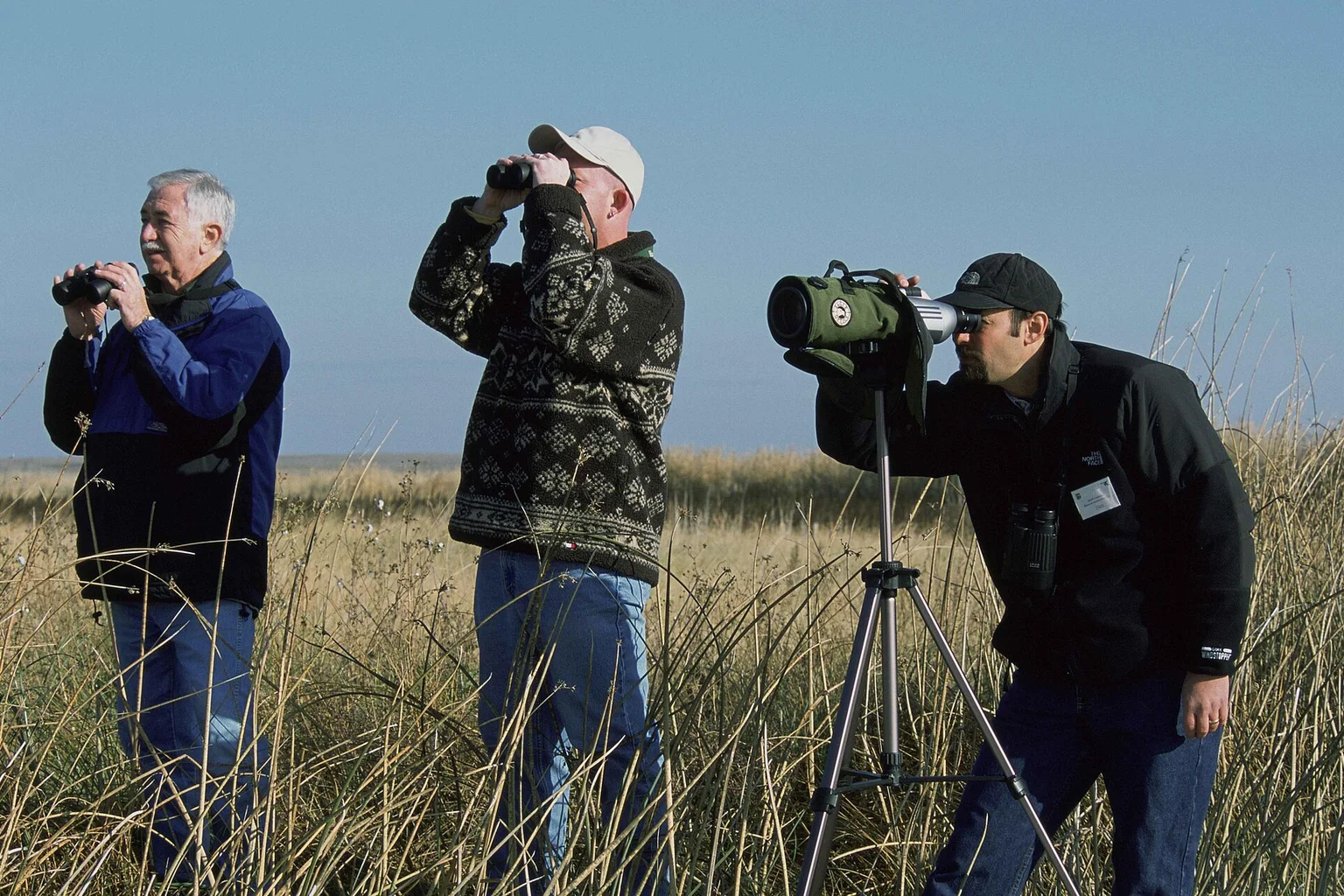
The study, described by the Barcelona Institute for Global Health (ISGlobal), appeared in The Lancet Regional Health – Europe. Half the participants joined small groups that met for two hours a week over nine weeks, led by trained facilitators.1 According to the University of Colorado Boulder, the groups had eight to 10 people and did gardening, birdwatching or nature-based art, using activities chosen from a menu the local community helped create.2 Outings included gardens, parks, riverways, the coast and cultural heritage sites.1
The other half got a 30-minute motivational interview, a type of guided conversation meant to help people set their own goals, along with information about nature activities in their neighborhood that they could try on their own.1 So the comparison group was not “nothing.” It was nature, self-serve.
“FiN combines strategies by building groups with peer support, providing social opportunities that are strengthened by experiences in nature and an empowerment process,” first author Laura Coll-Planas of the University of Vic said in the ISGlobal announcement.1
The numbers, and what they don’t show
Across everyone in the study, loneliness fell by an average of 10.5% at three months and 16.8% at one year, ISGlobal reported.1 CU Boulder rounded those to 11% and 17% and added a 12% drop at six months.2 Those averages cover both groups together, so they can’t be credited to the nine-week program alone. The trial also had no group that received nothing, which means some of the drop could reflect time passing or other factors.
The study found no significant change in health-related quality of life.1 Participants were adults 18 and older, with a median age of about 63, and 80% were women. The researchers noted that this may limit how well the results apply to men and younger adults.1
The figures come from announcements by the research team’s own institutions. The paper notes a conflict of interest: Friends in Nature was developed by a Finnish non-profit where two of the authors worked.
“There has been a lot of passion about nature-based prescriptions, but not a lot of evidence,” Jill Litt, a professor of environmental health at CU Boulder and the study’s corresponding author, said in the university’s article.2
Practical takeaways
- A light nudge may be enough for some people. Participants who were less lonely and in better emotional shape at the start saw loneliness drops from the interview-and-information approach comparable to the groups.1
- The loneliest may need company, not just a list. People with higher loneliness and poorer emotional wellbeing benefited more from the facilitated groups.1
- Setting may matter. In a related trial in Helsinki among frail older adults in assisted living, Friends in Nature reduced loneliness more than the comparison group did.1
What happens next
The Barcelona trial is part of a European research project called RECETAS, which began in 2021 with an EU grant. The project has run randomized trials in Barcelona, Prague and Helsinki and other studies in Marseille, Cuenca and Melbourne, testing Friends in Nature in about 1,200 adults in all.2
Public health agencies in Spain have started recognizing the program as a best practice for loneliness. Many participants still meet for outdoor activities, CU Boulder reported, and Litt is working to bring similar trials to the United States.2
“We need to think in broader terms about how we can create group healing activities in places like parks and community gardens,” Louise Chawla, an environmental psychologist and professor emerita at CU Boulder, said in the university’s article.2

Did this make your day? Give it a cheer.
Sources
- Helping people connect with nature and the community reduces loneliness Barcelona Institute for Global Health (ISGlobal) via EurekAlert!, 2026-08-20
- Can a prescription for nature help cure the loneliness epidemic? CU Boulder Today (University of Colorado Boulder), 2026-10-13
- Testing a Nature-based Social Intervention on Loneliness: the RECETAS-BCN Trial ClinicalTrials.gov
- Scientists find a simple way to ease loneliness that lasts for months Earth.com