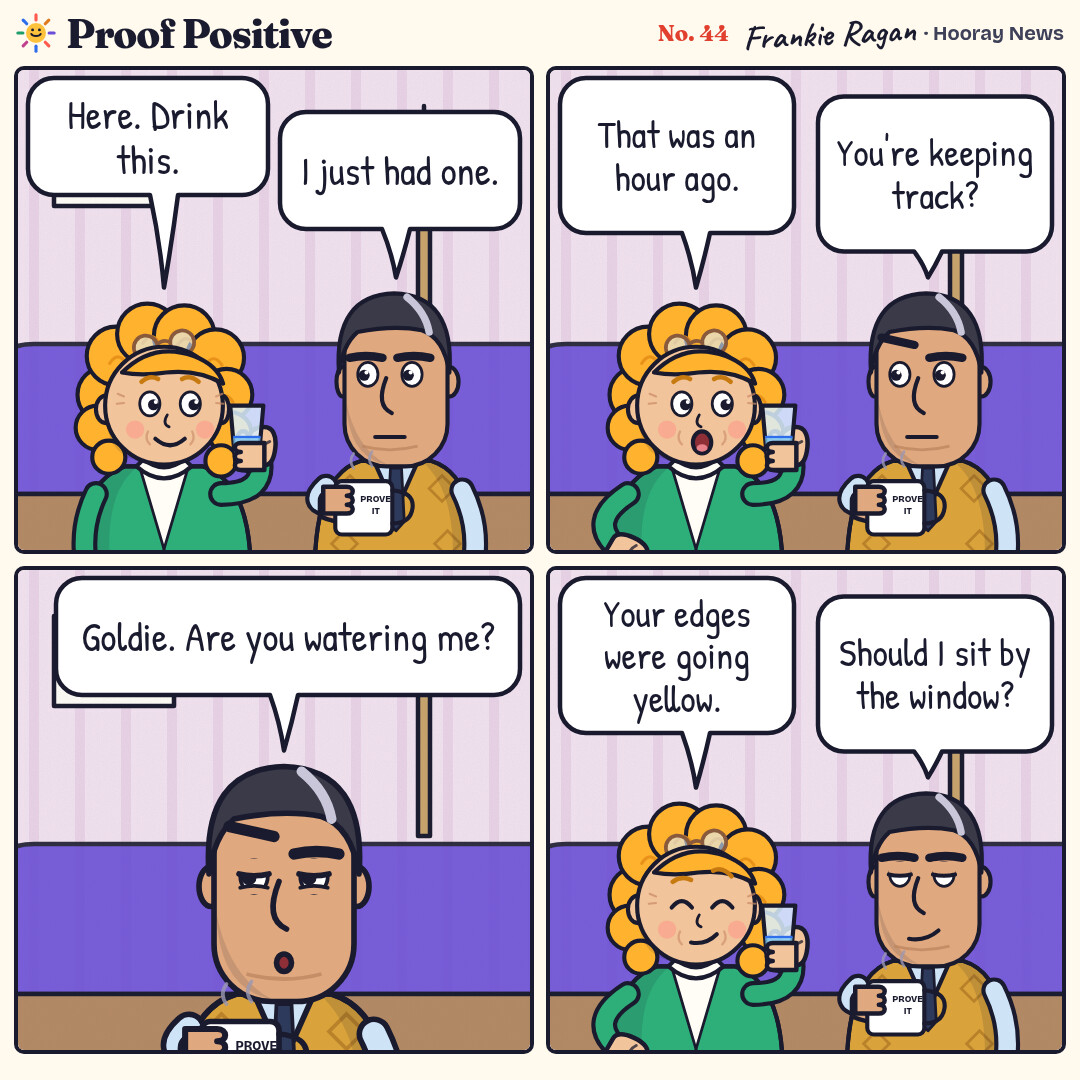
Mindfulness Is Linked to Less Autopilot Scrolling, Though the Thumb Has Yet to Comment
A University College London review of 43 studies and 28,701 people found some links between mindfulness and less social comparison and compulsive scrolling. It shows an association, not proof.

On Nov. 25, 2026, researchers Charlotte Jones and Marc Tibber of University College London published a review in PLOS One that pooled 43 studies with 28,701 participants. In 39 of those studies, people who reported being more mindful also had better mental wellbeing, healthier social media habits, or both. The studies show a link, not proof that mindfulness causes either.12
The finding matters because so many people are online. According to the PLOS release, social media users grew from 2.46 billion in 2016 to 5.79 billion in 2026. The average user spent 2.3 hours a day on social media and messaging apps.1
Mindfulness here means noticing your thoughts, feelings and urges as they happen, without acting on them right away. Tibber explained in the PLOS release why that could matter online:
“By supporting people to notice their thoughts, feelings, and impulses without immediately acting on them, mindfulness may make it easier to step back from habitual reactions, direct attention more deliberately, and engage with social media in a more intentional way.”
What the studies found
Across the review, some studies linked mindfulness to less rumination (going over the same worries again and again), less comparison with other people and less fear of missing out. Higher mindfulness was also linked to less compulsive social media use, the kind where your thumb opens the app before you’ve decided to.1
Some studies also fit the idea that mindfulness works as a buffer. It may soften the connection between social media use and mental health.13
The “39 of 43” figure needs a careful reading. It counts studies that supported a link with better wellbeing, healthier social media use, or both. It does not mean every outcome improved in every study.1
The limits
Of the 43 studies, 33 were cross-sectional, meaning they measured people at a single moment. Only five followed people over time, and five were experiments. A snapshot can show that two things go together, but it can’t show which one drives the other. The review does not establish that mindfulness causes better mental health or changes how people use social media.1
The people studied were also young and mostly WEIRD, researchers’ shorthand for Western, educated, industrialized, rich and democratic. Their average age was 23.7. University students made up 46.5% of samples, the general population 34.9% and high school students 18.6%.1 In every study, participants rated their own mindfulness rather than having it measured another way.3
Jones did the work as part of her clinical psychology doctorate at UCL. When the team updated its literature search in 2026, the number of papers in the field had doubled in three years.1 The authors reported no specific funding and no competing interests.1
What you can try
The review doesn’t hand out a tested program, but the researchers point to a few ideas:
- Treat mindfulness as a skill. The authors describe it as trainable, and Tibber says formal practices such as meditation and yoga help build it.1
- Pause before you engage. Tibber says “simple practices that encourage people to pause before engaging and make more conscious choices about their online behavior may also be helpful.” This is his suggestion. It was not an intervention tested in this review.1
- Know what to watch for. The habits the studies tracked give you a short list to notice in yourself: comparing yourself with others, replaying worries, fear of missing out and compulsive use.1
The authors say further research is needed. They still see promise in mindfulness because, as Tibber put it in the release, “its status as a trainable skill means it represents a potential target for interventions aimed at promoting healthier digital engagement.”1

Did this make your day? Give it a cheer.
Sources
- Mindfulness is linked to better mental health and more beneficial social media use PLOS via EurekAlert, 2026-11-25
- Systematic review of quantitative studies exploring links between mindfulness, mental health, and social media use PLOS One (Jones & Tibber), 2026-11-25
- Mindfulness linked to healthier social media use and better mental health University College London via EurekAlert, 2026-11-25