A Cassowary Egg This Green Shouldn’t Be Camouflage. In a Rainforest, It Is
Keepers played careful matchmaker for Martina and Jeffrey, and now there's a bright green egg, though the zoo doesn't yet know if it's fertile.

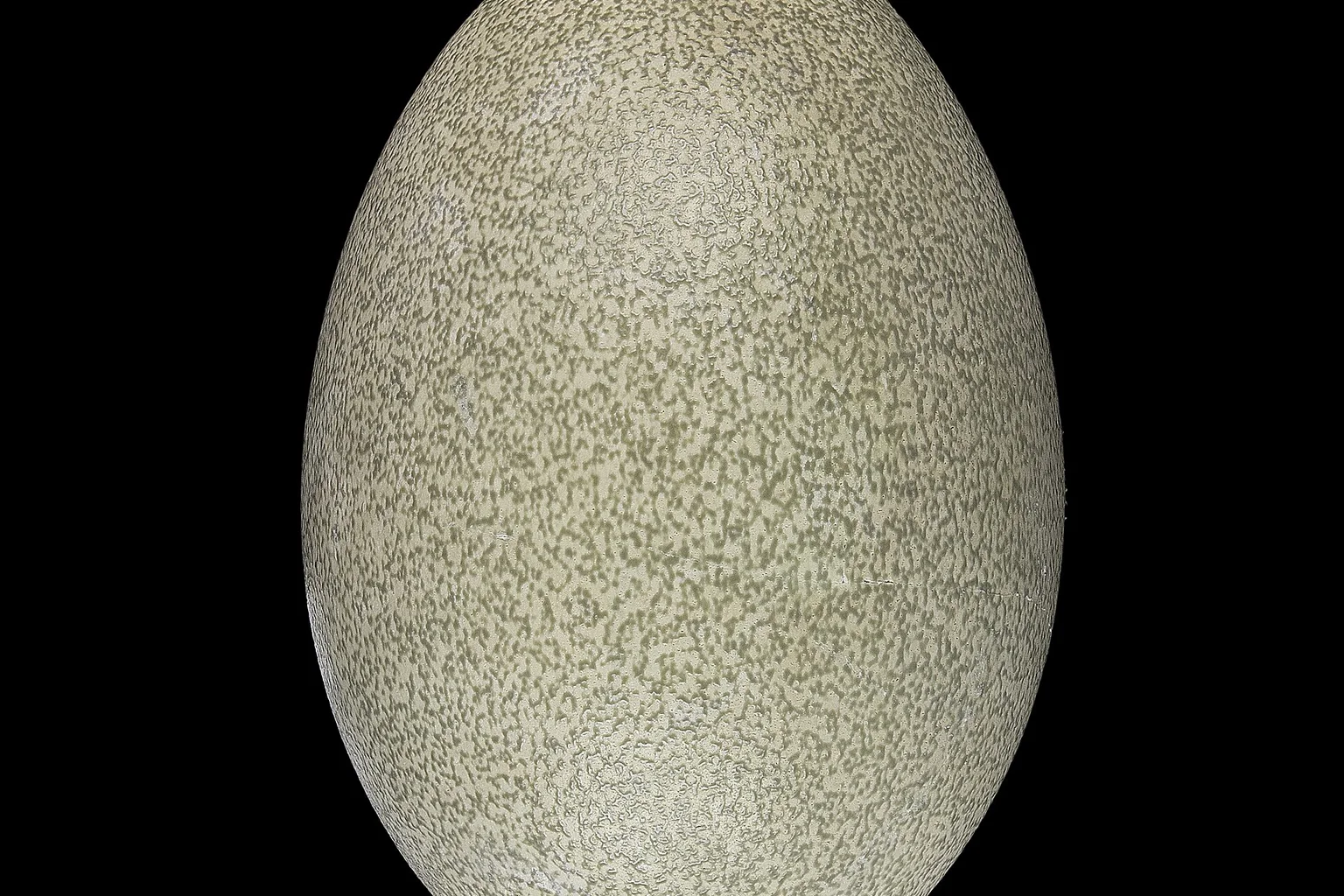
A southern cassowary named Martina has laid an egg at Adelaide Zoo in Australia. The zoo says it is its first cassowary egg in 34 years, and it is fluorescent green.1
The zoo announced the news on October 20. Martina is 10 years old. The egg came after keepers carefully paired her with Jeffrey, a 13-year-old male, for the first time this breeding season.1
The zoo’s last cassowary chicks hatched in 1992, so the egg is a big moment for the bird team. “This is really exciting news for us because it has been 34 years since we’ve had successful cassowary chicks here at Adelaide Zoo, so the team and myself included are very excited,” Erin, the zoo’s Team Supervisor Birds and Free Flight, said in the zoo’s announcement.1
There is no promise of a chick yet. The zoo doesn’t know whether the egg is fertile. “It’s not guaranteed that the egg is fertile, but it is still really exciting news that we have an egg for the first time in 34 years,” Erin said.1
A careful introduction
Putting two cassowaries together takes some planning. Southern cassowaries generally live alone and can be aggressive toward each other outside the breeding season, so keepers watched the pair closely before letting them meet.1
The pairing was recommended through the species’ managed breeding program. Keepers then looked for signs that the birds were interested. Those signs included low rumble or boom calls and a willingness to eat near each other.1
To help things along, keepers removed parts of the shade cloth between the birds and set their food side by side at the fence line. In effect, the couple’s first dates were dinners with a fence down the middle.1
It worked. The pair were introduced in mid-August, mated on the first day and have been seen mating several times since. They chose a nesting spot near the front of their habitat, and keepers added shade cloth around it for privacy.1
Why the egg is green, and what happens next
A bright green egg sounds like the opposite of hidden. But the pigment in the shell helps camouflage it in dense rainforest.1 “The egg is actually fluorescent green – it’s a really bright green colour,” Erin said in the announcement.1
Cassowaries usually lay clutches of three to five eggs. The zoo’s release describes one egg. Fox Local, citing the zoo’s Facebook page, reported that two eggs had been laid over a few days.12
From here, the work shifts to Jeffrey. In cassowaries, the male sits on the eggs, and Jeffrey may be separated from Martina so he can do it. Incubation takes about 50 days, and the father raises any chicks that hatch.1
If a chick does arrive, it will join a short family history at the zoo. Adelaide Zoo’s first cassowary chick hatched in 1968, and six more followed in 1992. According to the zoo, no cassowary eggs were recorded there after that, until Martina’s.1
Did this make your day? Give it a cheer.
Sources
- Green with excitement: first Southern Cassowary egg in 34 years at Adelaide Zoo Adelaide Zoo (Zoos SA), 2026-10-20
- Adelaide Zoo celebrates 1st bright green cassowary eggs in decades FOX 4 / FOX Local, 2026-10-21