Once Thought Extinct, a New Zealand Weevil Went From 6 to 260 in a Lab
New Zealand's Canterbury knobbled weevil, once thought extinct, bred so well in a lab that its keepers were surprised. Now a batch is back outdoors.

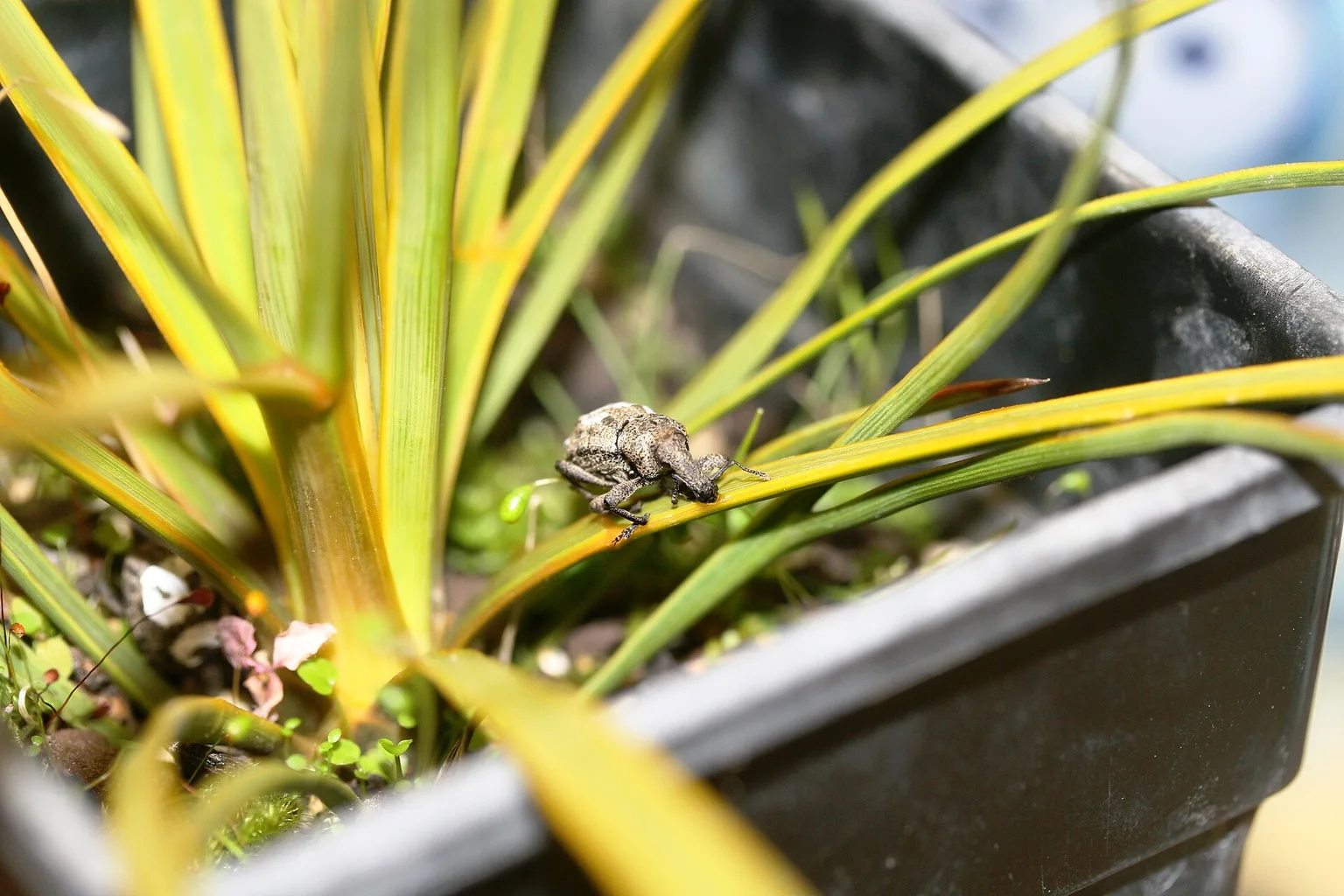
Six Canterbury knobbled weevils went into a laboratory in Mosgiel, New Zealand. Their offspring numbered 260. About 215 of those critically endangered insects have now been released into the wild at a Canterbury site that is being kept secret, RNZ reported.1
That matters because people once believed this species was gone. The weevils were thought to be extinct until they were rediscovered in the early 2000s, and they are now protected under New Zealand’s Wildlife Act.1 Each new population makes it harder for a single bad event to finish them off.
Whether this new group will survive and settle in is not yet known. That is the next test.
A breeding program that beat expectations
The release was carried out by Tara Murray, an entomologist (insect scientist) with the Department of Conservation, known as DOC. She described the weevil as one of the most threatened insects in the country and said she had not expected it to be so easy to rear.1
“We didn’t think we’d get so many of them,” Murray told RNZ. “So we’re pretty chuffed that they’ve produced so many offspring and they’ve survived.”1
Murray said the release went well.1 The numbers differ between reports, though. A video report from The Press showed Murray at Lake Emma in the Ashburton Lakes area, where it said about 300 weevils were being released after captive breeding.2 RNZ put the figure at about 215 and did not name the location. The two reports appear to describe the same event.
A soft landing on a spiky plant
The weevils went out in what is called a soft release. Instead of being tipped out and left on their own, they were placed in cages over their host speargrass plants. Murray told RNZ this gives the insects their best shot at survival.1
Speargrass is the center of this weevil’s life. The species is tied to Aciphylla, also called spaniard or speargrass. Adults eat the leaves and flowers, while the larvae (young grubs) feed on the plant’s taproot.3 In other words, this weevil has built its whole life cycle around a plant named for a spear.
The weevils are native to the Canterbury lowlands, Murray said, where people destroyed almost all of their natural habitat.1 Owls were once their main predator. Today the biggest threats are introduced hedgehogs and rodents.1
Building a backup
Until recently, the species was known from just one place, Burkes Pass. That changed in December 2024, when DOC announced that a local trapping group had found a new wild population.34
In early 2025, DOC technical advisor Warren Chinn said the department had spent several years focused on how to “get an insurance population established elsewhere.”4 An insurance population is a backup group living somewhere else, so one fire, flood or predator outbreak can’t wipe out the whole species.
The newly released weevils will help show whether lab-bred insects can fill that role. Their cages are due to come off after a week or two.
Did this make your day? Give it a cheer.
Sources
- Hundreds of critically endangered NZ weevils released back into the wild RNZ, 2026-10-20
- Critically endangered knobbled weevils released in Canterbury The Press (Stuff), 2026-10-20
- New population of critically endangered beetle found: Media release 20 December 2024 Department of Conservation, 2024-12-20
- 'Magnificent news': New population of critically endangered beetle found 1News, 2025-01-26