
Volunteer Dogs Sniffed Out Invasive Plants in a German Pilot Study
In a pilot study from Leipzig, Germany, 11 volunteer dog teams passed a field test finding invasive plants, a sign that everyday walks could aid early detection.

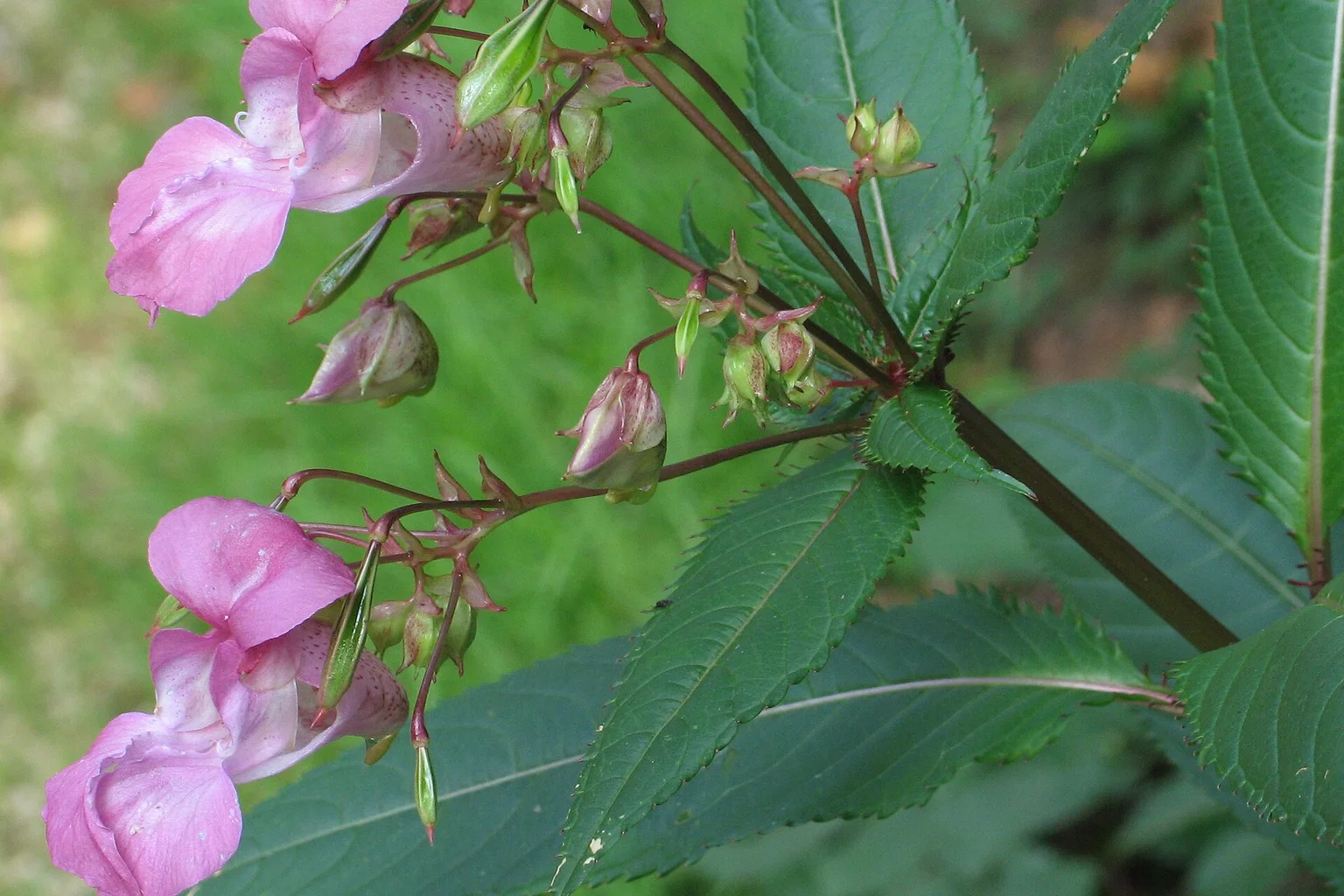
Volunteer dog owners and their pets can be trained to find invasive plants in the wild, the researchers say in a pilot study published Nov. 4 in PLOS One. Researchers at the Helmholtz Centre for Environmental Research (UFZ) in Leipzig, Germany, trained 31 volunteer teams. Of the 12 teams that completed field testing, 11 passed, and the study reports an average detection success rate of 75%.12
That matters because invasive alien species are one of the main causes of biodiversity loss worldwide. The standard ways of fighting them are costly and time-consuming.4
Three unwanted plants, 31 dogs
Between 2021 and 2023, the team led by Annegret Grimm-Seyfarth trained 31 dogs and their owners on three targets: Himalayan balsam, common ragweed and knotweeds such as Japanese knotweed.13
“Our study shows that trained volunteer dog-handler teams have real potential to support the early detection of invasive plants,” Grimm-Seyfarth said in the PLOS press release.1
What the 75% does and doesn’t mean
The headline number comes with an important asterisk. The 75% figure is the average detection success rate among the 12 teams that completed the field test, and 19 of the original 31 teams did not finish it.23 Of the teams that did finish, 11 passed.
This was a pilot feasibility study, so it does not show that the method works at a large scale. The figures so far come from the researchers’ own release, and we found no independent review of the data.
The researchers are also clear that reliable monitoring requires carefully designed training and continued guidance from both dog-training experts and ecologists.4
To help future projects, the team wrote up recommendations on choosing and coordinating volunteers, training the dogs and handling the teams’ first deployments.2
Walks with a purpose
If the approach holds up, the appeal is that it builds on something people already love doing: spending time outdoors with their dogs.4
“With the right training, everyday walks could become an additional resource for detecting invasive plants early,” Grimm-Seyfarth said.1
She also described the chance to make dog walking into “a meaningful contribution to biodiversity conservation,” in comments reported by Talker.4 The study suggests that, with structured training and expert support, volunteer teams could become extra eyes (and noses) for spotting invasive plants early.
Did this make your day? Give it a cheer.
Sources
- Trained dogs detected invasive plant species in Germany with 75% accuracy EurekAlert! (PLOS press release), 2026-11-04
- Trained dogs detected invasive plant species in Germany with 75% accuracy Phys.org, 2026-11-05
- Dogs Can Sniff-Out Invasive Plant Species With High Accuracy to Curb Their Destruction Good News Network, 2026-11-08
- Study reveals canines could help sniff out invasive plants Talker (SWNS), 2026-11-06