Two of Fewer Than 50 Tara Iti Just Landed on a Shell Patch Made for Them
Two young tara iti, among fewer than 50 left, visited a nesting patch at Ruakākā, New Zealand, raising hopes of breeding there for the first time since 1989.

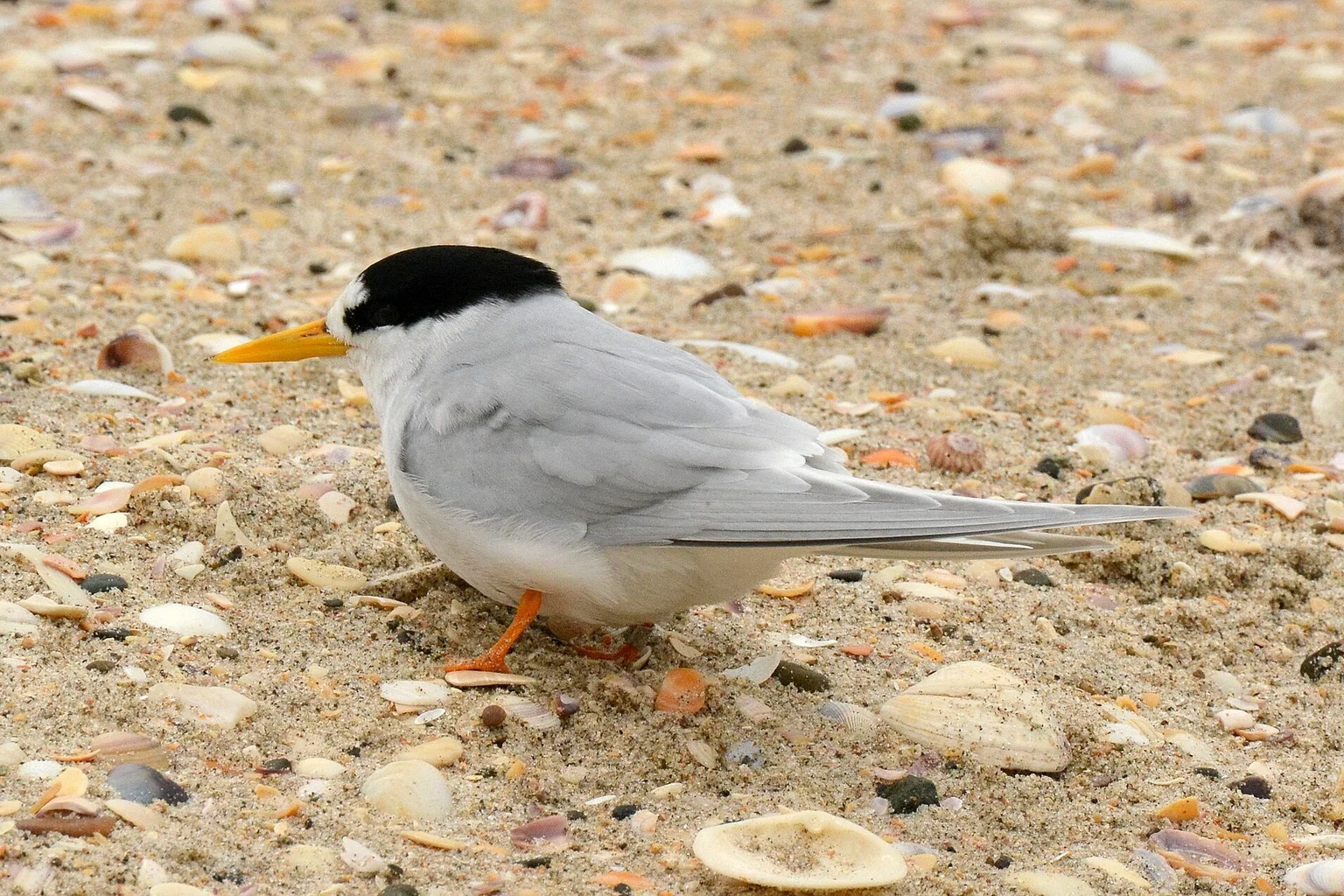
A young pair of tara iti, or New Zealand fairy terns, has been seen fishing in the Ruakākā estuary in Northland and landing on a shell patch prepared for nesting near the river mouth, New Zealand’s Department of Conservation (DOC) announced on Nov. 4. If they breed there, it would be the first breeding at Ruakākā since 1989.1
No nest or eggs have been reported at Ruakākā yet, and DOC says there is still a long way to go. Even so, when a species numbers fewer than 50 birds, two of them showing interest in a beach is news.2
“It’s incredibly exciting to see a young pair exploring Ruakākā estuary, particularly after all the work that’s gone into preparing the site for them,” Ayla Wiles, who leads DOC’s tara iti programme, said in the department’s media release.1
A very small bird with very few beaches
Tara iti is classed as Threatened–Nationally Critical and is the rarest breeding bird in Aotearoa New Zealand.6 Almost all of the remaining birds nest on a handful of east coast beaches between Pākiri and Waipū.2
With so few nesting beaches, a new site would matter.
The species has come close to disappearing. In 1983, only three to four breeding pairs remained.5 A DOC census announced in April 2026 found the population had grown by about 15%, to nearly 50 birds over a year old and 11 breeding pairs.5
A pair with a zoo connection
The female in the Ruakākā pair is a two-year-old reared at Auckland Zoo.2 DOC and the zoo work together on the recovery programme, hand-rearing chicks and releasing them into the wild to lift the number of young birds that survive and grow the wild population.12
Getting the site ready
The pair did not stumble onto an empty beach. Over the winter, DOC assessed Ruakākā, northern Waipū and Ōmaha as possible new breeding sites for tara iti.13
At Ruakākā, Patuharakeke and Bream Bay Coastal Care helped DOC set up the shell patch and step up predator trapping. Volunteers from Waipū About Tern and Bream Bay Coastal Care monitored activity at the site before the breeding season.24
In other words, a lot of people prepared a spot on the sand and waited to see whether two birds would approve. Two birds have now landed on it.
A big season ahead
The sighting comes as conservationists prepare for what could be a record breeding season, with 14 to 15 breeding pairs expected. That would be the highest number in many years.3
Whether Ruakākā becomes one of those breeding sites is still up to the birds. If the young pair does nest there, it would end a gap of 37 years.1
Did this make your day? Give it a cheer.
Sources
- Rare tara iti could return to breed at Ruakākā after 37 years: Media release 4 November 2026 Department of Conservation (DOC), 2026-11-04
- Tara iti sighting raises hopes of return to Northland breeding ground RNZ, 2026-11-05
- Tara iti pair: Young birds raise hopes of nesting at Ruakākā estuary NZ Herald (Northern Advocate), 2026-11-05
- More Room to Grow! Tara Iti Recovery Opens Door to New Breeding Sites Endangered Species Foundation NZ
- Census shows jump in the population of our rarest endemic bird: Media release 14 April 2026 Department of Conservation (DOC), 2026-04-14
- Tara iti/New Zealand fairy tern: Sea and shore birds Department of Conservation (DOC)