Bella the Leatherback Laid 146 Eggs in Ecuador, and 134 Hatchlings Emerged
A study reports record eastern Pacific leatherback nesting on Ecuador's beaches, 1,000+ miles from the usual sites, with hatch rates like the northern ones.

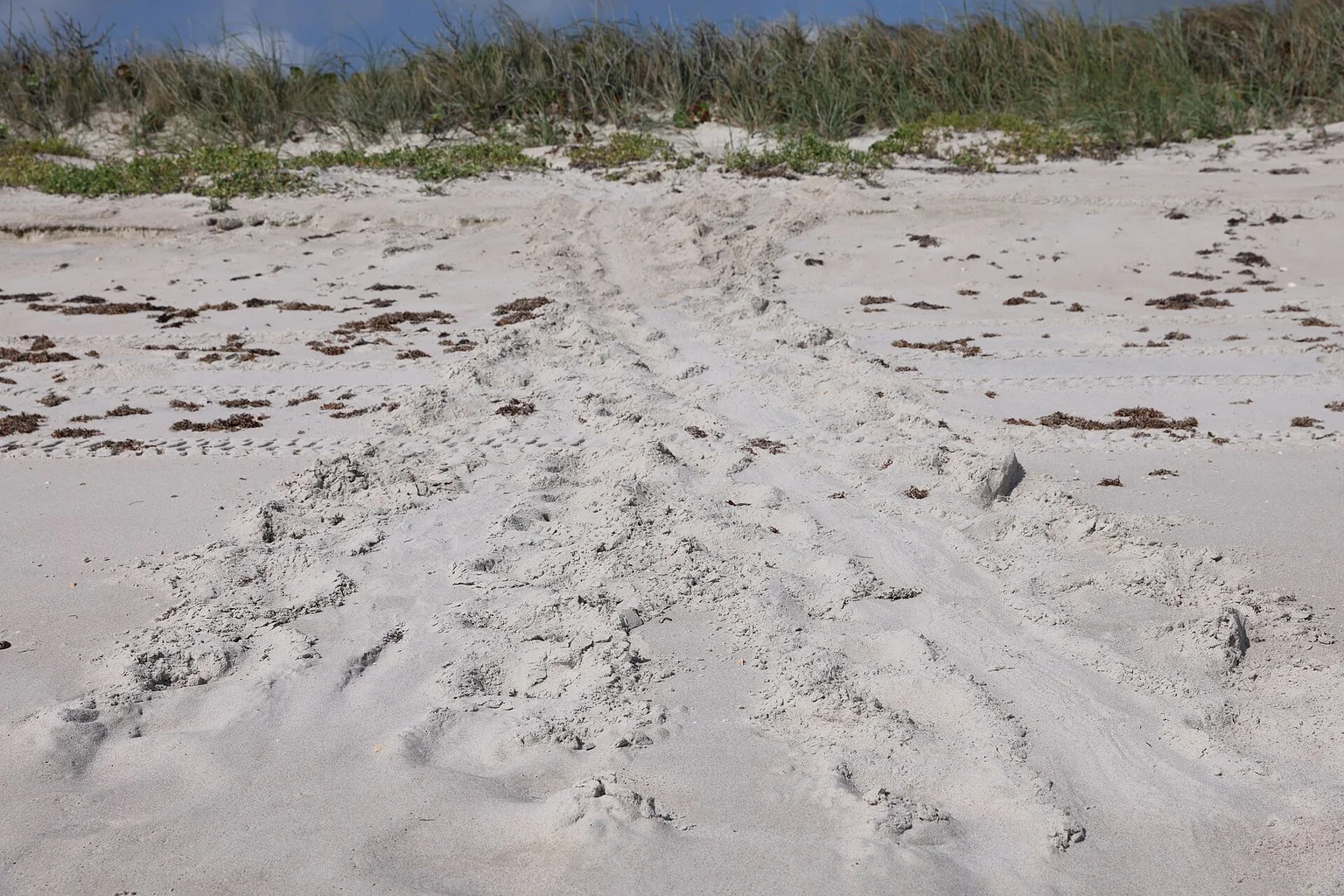
Eastern Pacific leatherback sea turtles, an endangered subspecies, laid a record number of nests on several Ecuadorian beaches in the 2025-2026 season, according to a study published online Oct. 19, 2026, in Chelonian Conservation and Biology and announced Nov. 9 by Simon Fraser University. The beaches lie more than 1,000 miles from the turtles’ usual nesting grounds in Mexico and Costa Rica.1
That matters because these turtles are in serious trouble. The university’s announcement says the population has dropped more than 90% since the 1980s and that the subspecies is on track to disappear from the eastern Pacific within 60 years.1 Mongabay reports that fewer than 1,000 eastern Pacific leatherbacks remain.3
Reliable nesting beaches in Ecuador would give conservationists one more place to focus protection. The study’s authors titled their paper “A New Hope.”1
What the researchers looked at
The team went through more than 45 years of records from Ecuador’s coast: sightings of adult females, nests, nesting attempts, hatching success and strandings (turtles found washed up on shore, alive or dead). They lined those records up against El Niño and La Niña, the natural cycles that warm and cool the tropical Pacific.1
Over the last decade, turtle activity and nesting in Ecuador rose during the cold La Niña episodes. Nests there also held about as many eggs, and hatched at about the same rates, as nests on the traditional northern beaches. In some cases Ecuador’s nests produced more hatchlings than usual, said co-author Juan José Alava, an adjunct professor at SFU’s School of Resource and Environmental Management.1
“Historically, observing female Eastern Pacific leatherbacks on Ecuador’s beaches was a rare or unusual event, but our findings suggest they are adapting their reproductive cycle to thrive and survive in coastal Ecuador,” Alava said in the university’s announcement.1
Note the word “suggest.” The authors read the pattern as a sign that leatherbacks may be adapting to a warming ocean by seeking out cooler coastlines. That is their interpretation, not a proven shift. The tidy version of the story is turtles heading south to escape the heat. The data are fussier: the busiest nesting in Ecuador lined up with the cooler La Niña years.1
The record claim and the nest findings come from the university’s announcement of the study, which does not give nest totals. Earlier reporting shows how new all this is. In March 2026, researchers fitted the first satellite tag to a nesting leatherback in Ecuador, at Pajonal Beach, and Inside Climate News described nesting there as sporadic, unlike the well-known beaches in Mexico and Costa Rica.2 Ecuador marks the southern edge of the subspecies’ nesting range. That tagged turtle, Lucero, later swam south to Peru.3
One turtle’s very good season
The study highlights a tagged female named Bella, who nested four to five times in 2026. She laid 146 eggs, and 134 hatchlings emerged, a 91.8% success rate.1
Bella had help. One of her nests stayed where she dug it. The others were moved to the San Jacinto hatchery.1
What it will take
The threats behind the decline are still there. The announcement lists El Niño episodes made worse by climate change, bycatch (turtles caught by accident in fishing gear), plastic pollution, collisions with boats, egg harvesting and the loss of nesting beaches.1
Alava says ongoing monitoring, cutting bycatch and managing the coast well enough to protect Ecuador’s nesting beaches are all crucial if the turtles are to survive over the long term.1
“It signals new hope for a subspecies of leatherback on track for extinction in the eastern Pacific within 60 years,” Alava said.1
For now, that hope is tentative: fewer than 1,000 of these turtles remain.3
Did this make your day? Give it a cheer.
Sources
- Endangered leatherbacks finding new nesting beaches in Ecuador as Pacific Ocean warms, study finds Simon Fraser University via EurekAlert!, 2026-11-09
- Scientists Deploy First Satellite Tag on a Leatherback Sea Turtle in Ecuador to Better Reveal Gaps in Ocean Protection Inside Climate News, 2026-03-30
- Tracking Lucero: Scientists follow a rare Eastern Pacific leatherback sea turtle Mongabay, 2026-05
- Endangered leatherbacks find new nesting beaches in Ecuador as Pacific Ocean warms Phys.org, 2026-11-09