If Your Credit Card Is Covering Groceries, a Planner Calls It a Band-Aid
A Jacksonville woman's steady 18-month climb out of credit card debt, plus one planner's three-step plan for anyone using plastic to cover the basics.

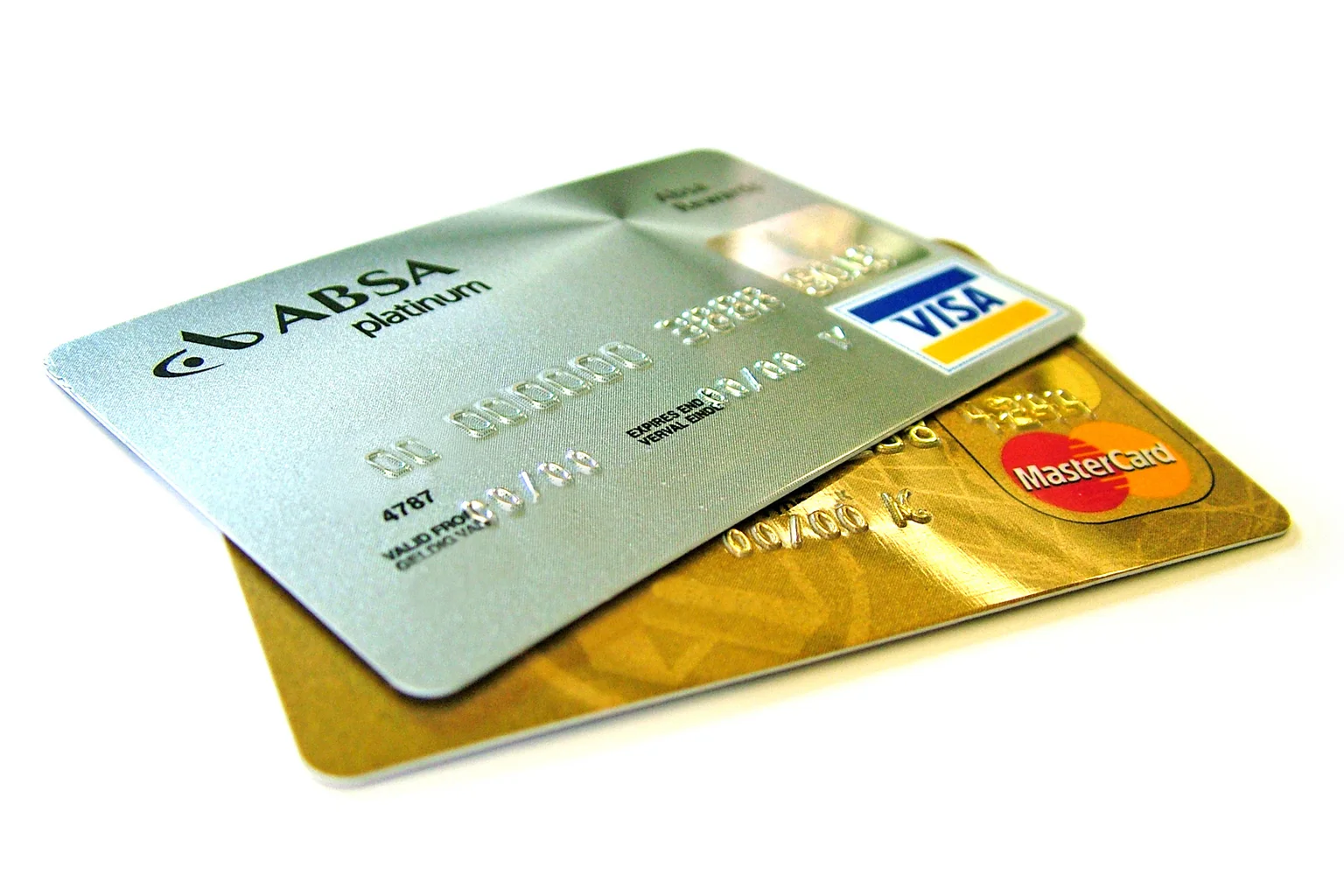
Shanika Hampton didn’t run up credit card debt on vacations or shopping sprees. After an unexpected layoff, she put groceries, gas and bigger emergency purchases on her cards, News4JAX reported.1
“I was buying necessities, like real deal emergencies,” Hampton told the Jacksonville station.1
Over the past year and a half, she says she has paid off about $9,000 of that debt with help from Money Management International, a nonprofit credit counseling agency. By her account, she still has about $5,000 left to pay.1 It isn’t a finish line yet, but it is steady progress.
How the agency helped
MMI rolled Hampton’s balances into one monthly payment and negotiated lower interest rates with her creditors, according to News4JAX.1
“They’ll negotiate the interest rates down, and they also negotiate a monthly payment that is doable,” she said.1
MMI’s debt management plans, which work along those lines, come with conditions. In other MMI client stories, NBC Boston reported that these plans carry a setup fee and a monthly fee (about $24 a month on average in one report). Borrowers typically have to stop using their cards, and creditors can drop out of the plan if a payment is missed.2
Hampton is far from alone in carrying a balance. Americans owed $1.26 trillion on credit cards in the second quarter of 2026, up $21 billion in just three months, according to the Federal Reserve Bank of New York. Total household debt held at about $18.8 trillion, down $13 billion from the quarter before.4
Three steps from a financial planner
News4JAX also asked George Pakounis, a certified financial planner with Burns Estate Planning and Wealth Advisors, how people can break the cycle. His advice is one planner’s recommendation, not a research finding, but it is simple enough to start this week.1
- Track every dollar. “Take a step back. Look at where your money’s going,” Pakounis said.1
- Make a payoff plan. Either attack the balance with the highest interest rate first, or knock out the smallest balance first to build momentum.1
- Keep the same habits after you’re done. Once you’re debt-free, keep spending the way you did while paying it off. It is also the least exciting step on the list.1
Where the extra money should go
Pakounis suggests splitting spare cash. If someone has an extra $500 a month, most should go to high-interest card debt while a small emergency fund builds up on the side.1
“Maybe put $300 or $400 toward the debt and save $100,” he said.1
Pakounis also warned that paying only the minimum can keep people in debt potentially forever, and that leaning on cards to cover living costs doesn’t fix the underlying gap.1
“Supplementing with a credit card is still a Band-Aid,” he said.1
Getting help sooner
Many nonprofit credit counseling agencies offer free or low-cost budgeting help, debt management plans and negotiation with creditors, News4JAX reported. The station’s advice to anyone feeling overwhelmed was to reach out sooner rather than later.1
For Hampton, the next step is the last $5,000.

Did this make your day? Give it a cheer.
Sources
- How one woman paid off $9K in credit card debt — and the steps experts say can help you break the cycle News4JAX (WJXT), 2026-07-20
- This Mass. woman paid off $70K in credit card debt – here's how NBC Boston, 2024-03-21
- Household Debt Balances Rise Slightly as Delinquency Transition Rates Hold Steady Federal Reserve Bank of New York, 2026-05-12
- Household Debt Balances Decreased Slightly; Credit Card Delinquency Transition Rates Remained Steady Federal Reserve Bank of New York, 2026-08-11