Match Every Dollar Your Kid Saves With a Quarter, the CFPB Suggests
The CFPB's free Money as You Grow guide for ages 6 to 12 suggests ideas from a 10 percent saving habit to a 25-cent match for every dollar saved.

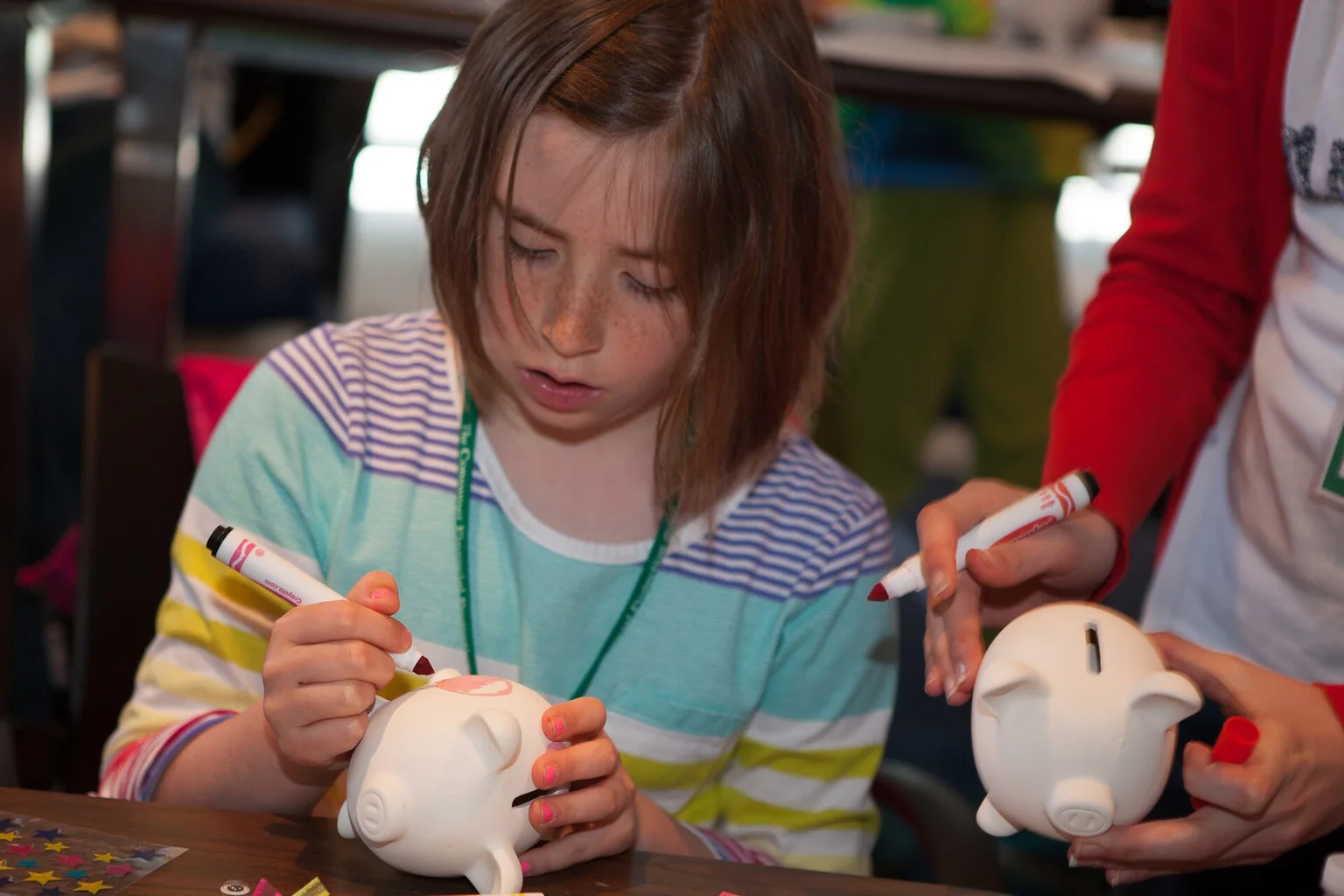
Children are watching how you handle money, whether or not you mean to teach them anything. The Consumer Financial Protection Bureau’s Money as You Grow page for school-age kids and preteens turns that into a plan, with free tips for building money skills in children ages 6 to 12.1
The bureau says those years are when kids absorb rules to live by and everyday habits that shape how they earn, save and shop.1 Its suggestions use ordinary moments like reading time, a trip to the bank and waiting your turn. Here are six of the CFPB’s recommendations you could start this week.
1. Narrate your decisions. The page encourages parents to “think out loud” as they handle day-to-day money and time choices. Kids draw their own conclusions from what you do, and saying your reasoning out loud fills in the part they can’t see.1 In the page’s words: “When you think out loud, you clarify what you’re doing and why.”1
2. Pick a goal and make it small. The CFPB’s saving page suggests helping your child choose something they want, breaking that goal into small steps, and encouraging them to save 10 percent of the money they get.2 The main page offers a ready-made opener: “You can start a habit of putting money aside for things you want.”1 For ages 6 to 9, a CFPB Money Monsters activity walks kids through making a plan to reach a savings goal.3
3. Offer a match. The bureau suggests a “matching plan” in which the parent adds 25 cents for every dollar the child saves.2 Plenty of adults would be glad to hear that offer from their own employer.
4. Open a real savings account together. The CFPB suggests visiting a federally insured bank or credit union with your child, opening a savings account, and going back two to three times a year to see the balance grow.2 A CFPB handout notes that kids in middle childhood start to grasp abstract ideas like how checking and savings accounts work, setting goals and comparison shopping.6
5. Practice waiting. For younger children, the CFPB says learning to wait is essential to good saving habits. It suggests building patience through everyday moments like waiting for a turn in a game or standing in line.4 Parents of small children will be pleased to learn that the checkout line counts as financial education.
6. Fold money into story time and play. The Money as You Grow Bookshelf helps parents work money skills into reading they already do. It is designed for ages 4 to 10.15 The Money Monsters stories introduce ideas, habits and activities kids will need as they start managing their own money, and a parent guide is available as a PDF download.1 For ages 7 to 12, another CFPB activity has kids use a budget to shop for a party.3
More to explore
The page organizes its ideas around six topics to talk about and try with kids: earning, saving, planning, shopping, borrowing and protecting.1 It suggests watching for milestones such as building money habits and values, and asks a useful question: does your child have a habit of planning, saving and sticking to goals and priorities?1
It also links to the FDIC’s Money Smart for Young People series, described as four free curriculum products with guides for parents and caregivers.1
None of this calls for a lecture. A small goal, a modest match and a little thinking out loud make a reasonable place to start.

Did this make your day? Give it a cheer.
Sources
- School-age children to preteens Consumer Financial Protection Bureau, 2026-06-26
- School-age children and saving Consumer Financial Protection Bureau
- Talking about money choices Consumer Financial Protection Bureau
- Toddlers to teens: How to kick-start your child’s saving habits Consumer Financial Protection Bureau (archived blog)
- Money as You Grow Bookshelf for parents and caregivers Consumer Financial Protection Bureau
- Money as You Grow: For your child during middle childhood (handout) Consumer Financial Protection Bureau
- Money As You Grow – Resources for Educators UW-Madison Division of Extension