Humpback Tails Are Basically ID Cards, and Tourists Keep Sending Photos
Humpbacks and sei whales are feeding again in Argentina's Beagle Channel and San Jorge Gulf, with help from satellite tags and tourists' photos.

Humpback whales and endangered sei whales are returning to feed in Argentine Patagonia, in the Beagle Channel and the San Jorge Gulf, decades after commercial whaling depleted them. That is the picture in a roundup Mongabay published on Nov. 27, 2026, which pulls together its reporting from May through August 2026. It credits the global whaling ban in force since 1986.1
The Mongabay report also notes that today’s whale populations are still only a fraction of what swam these waters before industrial whaling. The recovery faces new pressures, from warming seas to oil and gas expansion.1
Humpbacks in the Beagle Channel
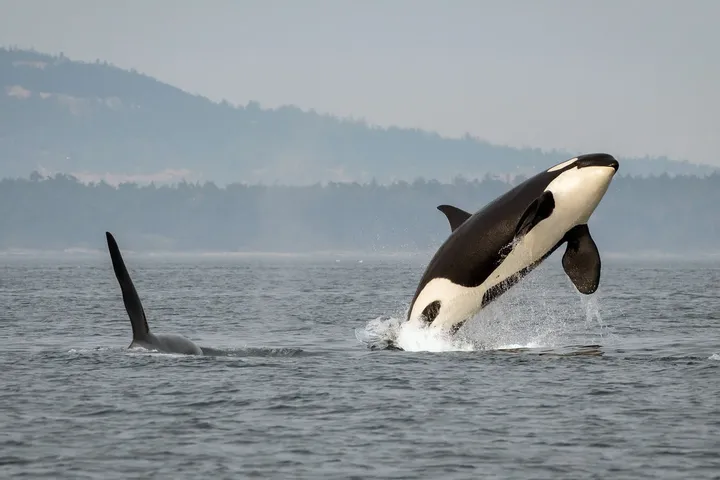
In the Beagle Channel at Argentina’s far southern tip, humpback sightings fell for decades. Now they are climbing. A local initiative has identified 208 individual humpbacks since 2013 and has recorded a steady rise in sightings since at least 2018.1
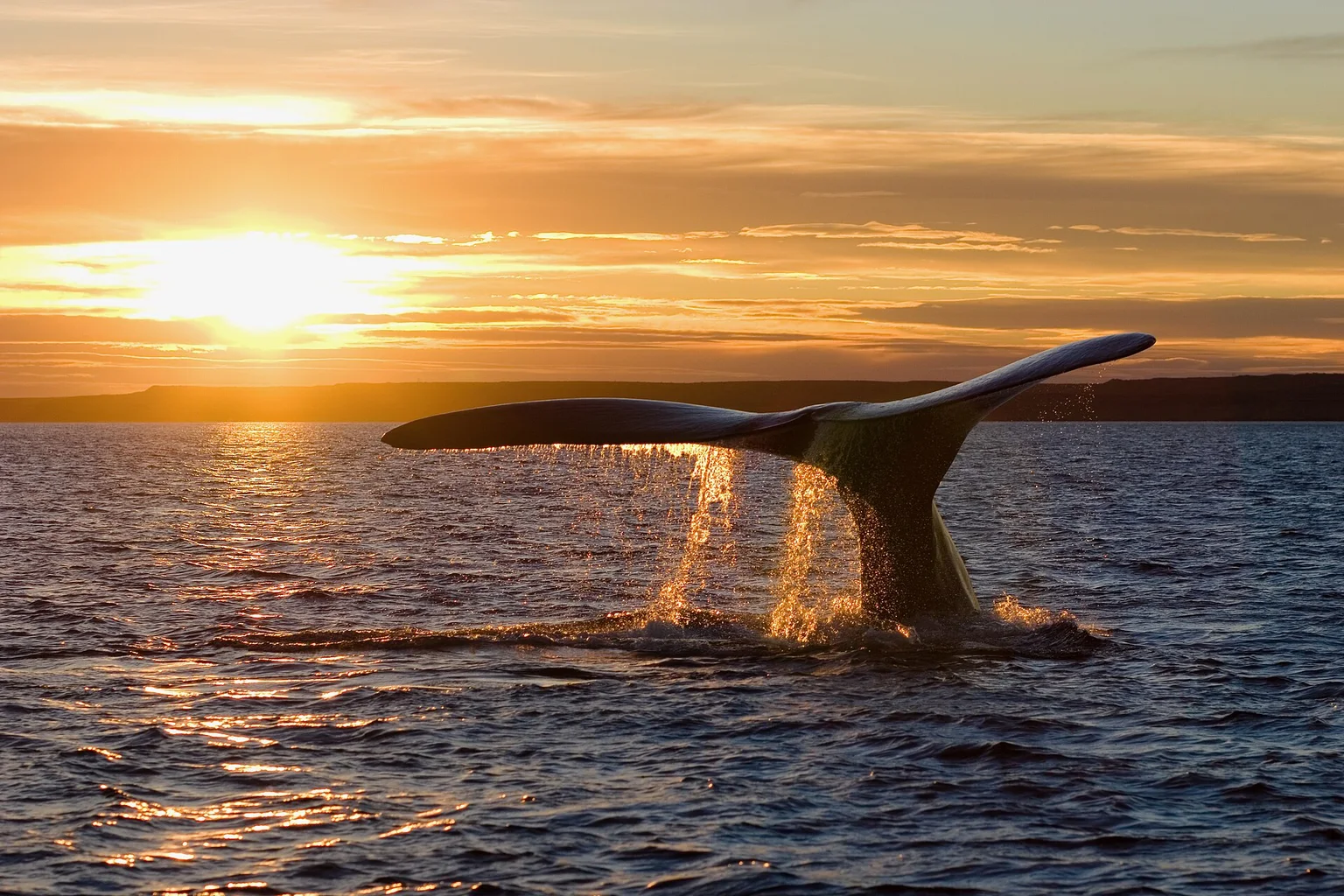
Much of that work runs on photos of tail flukes. The markings on the underside of a humpback’s tail are distinct enough to tell one whale from another, so boat crews, guides, photographers and tourists send in their pictures.1
A collaborative analysis in 2025 identified 22 humpbacks in the channel, and 17 of them had never been recorded there before. One whale, known as Shima, has come back for eight consecutive years.1
The humpbacks come to eat, mostly squat lobster and Falkland sprat, a small schooling fish. More whales in a busy channel means more chances for collisions as shipping and Antarctic cruise traffic grow. Researchers are calling for stronger navigation rules and limits on how close boats can approach.1
Sei whales in the San Jorge Gulf
Farther north, the San Jorge Gulf, shared by Chubut and Santa Cruz provinces, has become a key feeding area for sei whales. Mongabay describes their return as coming after nearly a century of absence caused by whaling. The whales stay from October to June, eating squat lobsters, copepods (tiny crustaceans) and small fish, then head north toward southern Brazil, where they usually breed.1
Researchers estimate that more than 2,800 sei whales use the gulf to feed, according to the regional outlet El Patagónico.3
Satellite tags are following some of these whales, though the reports differ on the details. Mongabay says two sei whales are being tracked in real time.1 El Patagónico reports that the 2026 research season tagged three, and that for the first time scientists recorded one whale’s complete trip from the gulf to southern Brazil and back.3 The tracking data are meant to support new marine protected areas in Argentina, conservation measures in Brazil and the management of whale watching.1
Record sightings, with caveats
Mongabay calls the 2025-26 season a record for whale sightings in the Argentine Sea: 3,410 southern right whale sightings, 2,600 sei whale sightings, 250 humpback sightings and four blue whale sightings, plus fin whales and two species of minke whale. The report does not name the survey or method behind those figures.1 They are sightings, not population counts, and could include repeat sightings of the same animals.
Other research backs up the broader southern right whale comeback. A peer-reviewed study of aerial surveys from 2007 to 2016 found evidence that southern right whales were recolonizing the San Matías Gulf, and noted that illegal Soviet whaling from 1951 to 1972 had slowed recovery off Patagonia.5 In October 2025, the AP reported that southern right whales around Península Valdés had rebounded to an estimated 4,700 animals, growing about 3% a year. The same report noted that closer proximity to human activity raises new conservation concerns.6
This year has also brought worrying news. In October 2026, UPI reported an unusually high number of southern right whale deaths along the Patagonian coast, including dead calves since June and 14 juvenile and adult deaths, which prompted a scientific investigation. Specialists did not believe, for now, that the deaths threaten the conservation gains.4
What could slow the comeback
Mongabay lists several threats. Rising sea temperatures and expanding Antarctic krill fishing could squeeze the whales’ food supply. Oil and gas expansion in the San Matías Gulf, in Río Negro province, could bring more ship strikes, more underwater noise and the risk of spills.1
Did this make your day? Give it a cheer.
Sources
- Whales return to Patagonia, but face new threats in Argentina Mongabay (Mongabay Latam), 2026-11-27
- Reportaje fotográfico | Las imponentes ballenas regresan a la Patagonia argentina tras décadas de caza, pero sufren nuevas amenazas Mongabay Latam, 2026-11-13
- Un seguimiento satelital permite conocer por primera vez el recorrido migratorio completo de una ballena sei El Patagónico
- Unusual whale deaths in Patagonia alarm scientists UPI, 2026-10-26
- Southern right whale Eubalaena australis in Golfo San Matías (Patagonia, Argentina): Evidence of recolonisation PLOS ONE (via PubMed Central), 2018
- Southern right whales awe admirers in Patagonia after coming back from brink of extinction Phys.org (AP), 2025-10