Can’t Keep a Tiny Habit Going? A Berkeley Trial Tried Skip Days and Phone Alerts
In a Berkeley trial of 497 adults, people taught habit tools practiced more and reported more self-compassion over six months, though the effects were small.

Twenty seconds a day is not much to ask of anyone. Doing it every day is the hard part. A new trial from UC Berkeley suggests that a single 15-minute lesson on building habits can help a tiny self-kindness practice stick.
In the study, published Sept. 15, 2026, in Scientific Reports, 497 U.S. adults learned a self-compassionate touch practice that takes 20 seconds or less. Half of them also took a short online session on habit tools. At both three and six months, that group practiced more often and reported more self-compassion than people who learned the practice alone.1
The trial tested what helps a very small routine last. The effects were small, and the authors say the work is not a substitute for professional mental health care.1
Why the researchers added habit tools
In the team’s earlier trial with U.S. college students, a month of daily practice improved self-compassion, stress and mental-health symptoms compared with a control group that did finger tapping. The benefits showed up only in the 38% of students who actually practiced daily. That result led the team to test habit tools.1
What the practice involves
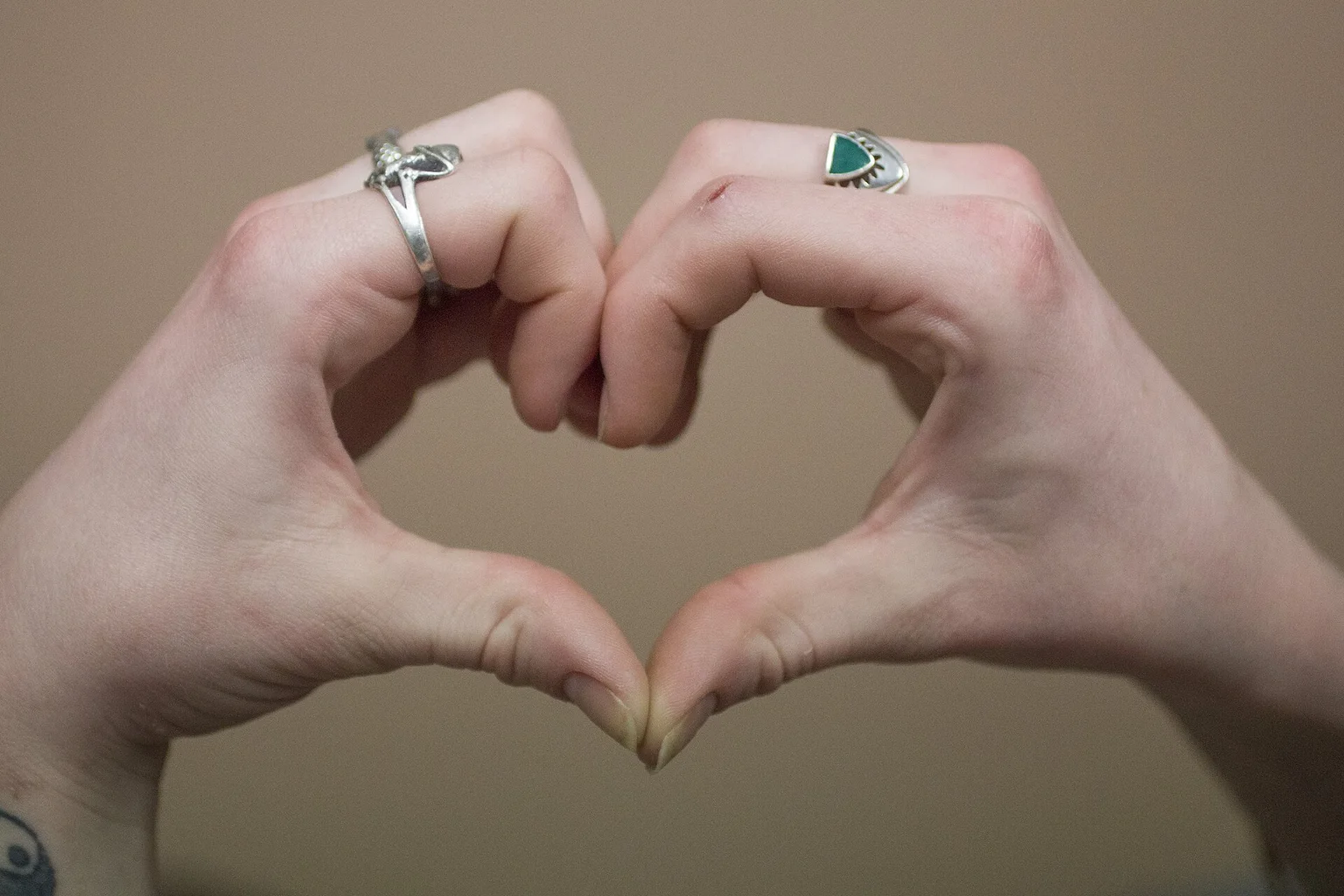
Participants used a gentle self-touch meant to bring up self-compassion, focusing on warmth, kind thoughts or both. The research team describes it as hands on the heart and belly paired with a kind inner voice.12
Everyone learned the practice by video, chose a daily cue to come right before it, and was asked to practice at least once a day for six months. The example cue in the study was: “When I finish brushing my teeth, I will practice the engaging touch exercise.”1
The habit group’s 15-minute session covered choosing a cue, repeating the practice in the same setting, and noticing the rewards built into the practice itself. Participants then wrote a detailed plan covering times, phone alerts, location, cue, likely obstacles and rewards. They were allowed up to two skip days a week and pictured themselves following through.1 Scheduled permission to skip may be the most realistic detail in the whole paper.
What changed, and what didn’t
At both three and six months, the habit group showed bigger gains in how often they practiced, how automatic the practice felt, their self-compassion, and how automatic self-compassion felt. The practice gap was nearly two extra sessions a week, about 50 more over six months, or roughly one-third more practice than the touch-only group. The paper calls that effect small to moderate.1
The mental-health results were more mixed. The habit group had a significantly greater drop in symptoms at six months but not at three months. Perceived stress did not differ significantly between the groups at either point.1
Both groups did the practice, so this was not habit tools against nothing. The team’s own write-up says both groups improved on every outcome measured and the habit tools added further benefit.2 The paper calls the effects on self-compassion, symptoms and stress small, and argues they still matter because the comparison group was also practicing.1
In a statistical analysis, early gains in how automatic the practice felt accounted for about 40% to 83% of the six-month differences in self-compassion, self-compassion automaticity and symptoms. The paper says more research is needed to confirm automaticity as the mechanism.1 The authors wrote that “even a single 15-minute session delivered in a self-guided online format can yield significant and enduring behavior change.”1
The fine print
The trial was preregistered, and its data and code are public. Practice frequency and automaticity were self-reported. Participants were recruited through social media and needed a smartphone. The sample was 71% non-Hispanic white. Results did not differ significantly between non-Hispanic white and racialized participants, but the authors call for replication with a more diverse group.1
The funders had no role in the study. The lead author, Eli Susman, signed a book contract on micropractice with Avery, part of Penguin Random House, after the study’s data collection, analysis and drafting were finished.1
What readers can take from it
- Hook it to something you already do. Every participant chose a daily cue, like brushing their teeth. The trial tested the habit package as a whole, not the cue by itself.1
- Make a specific plan. The group that did better spelled out times, place, phone reminders and likely obstacles.1
- Build in slack. Up to two skip days a week were part of the habit package that worked.1
- Expect modest gains. The effects were small, and the authors say this does not replace professional care.1

Did this make your day? Give it a cheer.
Sources
- Habit-formation strategies enhance long-term outcomes of a self-compassionate touch micropractice: a randomized controlled trial Scientific Reports (Nature Portfolio), 2026-09-15
- The Fifteen Minutes That Changed the Next Six Months Micropractice Substack (study team's own write-up, not independent)
- Make This 20-Second Mental Health Habit Stick To See Benefits mindbodygreen