City Crows Treated Corn Like a Suspicious Package. Country Crows Barely Hesitated.
A Binghamton University study of 20 crow families near Ithaca and Dryden, New York, found city crows warier of new objects and quicker to adjust to where people look.

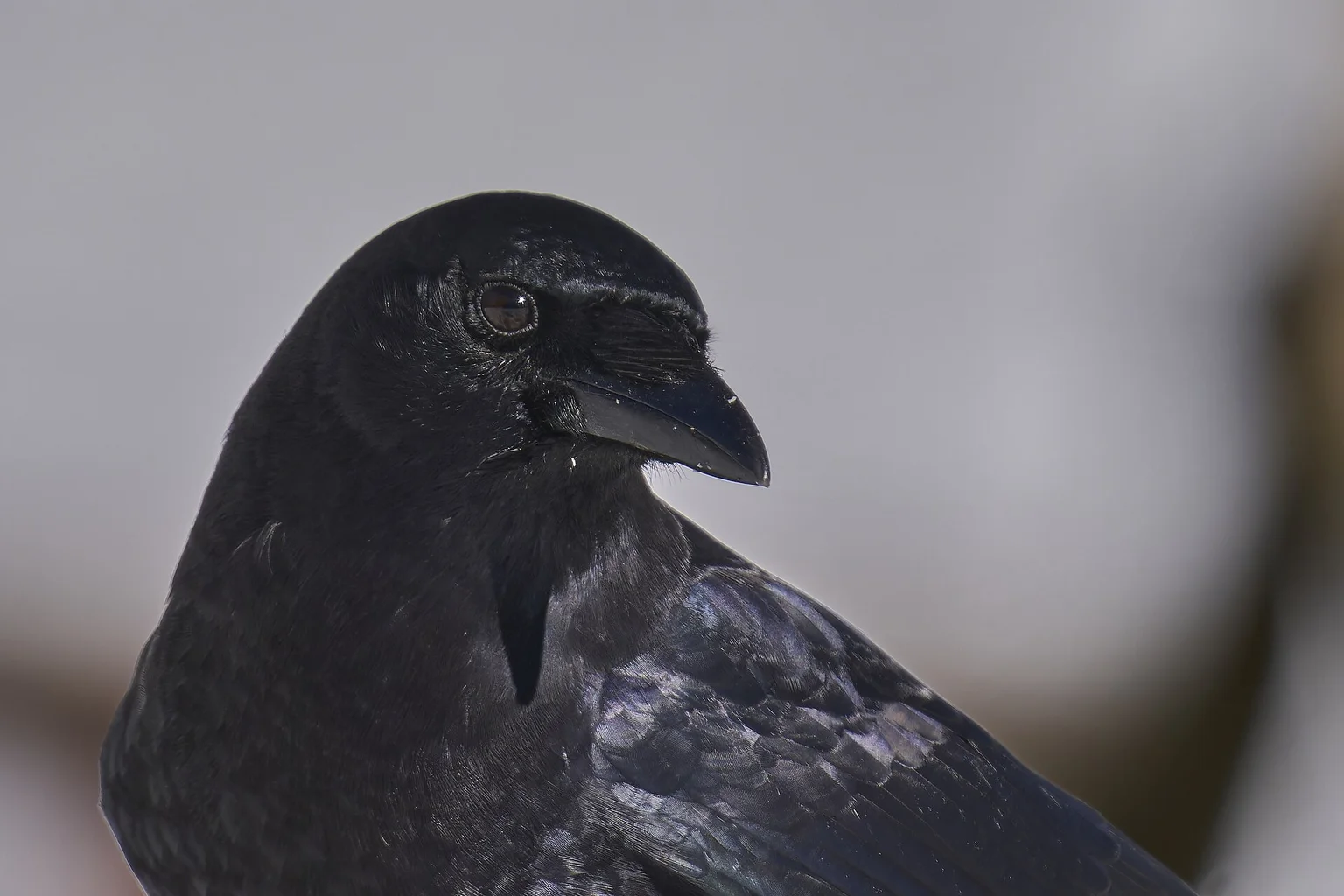
City crows around Ithaca, New York, were warier of unfamiliar objects than country crows in nearby Dryden, according to a study in the journal Behavioral Ecology. It was published in September and announced by Binghamton University on Nov. 16. Each group hesitated most around objects that were unfamiliar in its own environment: corn for city crows, takeout boxes for rural ones.12
The result suggests that what a crow is used to shapes what it is cautious about. It also runs against many earlier studies, which found city birds less wary of new things than their country cousins. The researchers called their result somewhat surprising.23
A rock, some corn, a takeout box and a lamp
Lead author Dave J. Colucci, who earned his PhD at Binghamton in 2025, and Anne B. Clark, an associate professor emerita of biological sciences there, studied 10 crow families around Ithaca and 10 in Dryden.23 They measured neophobia, the scientific term for wariness of new things, along with how crows react to people looking at them.
Familiar objects caused little hesitation. Both groups were fine with a rock. Rural crows were fine with corn, and urban crows were fine with a paper takeout box. Swap those around, and wariness went up. The box caused greater drops in feeding among rural crows, and the corn did the same among city crows. The paper notes that the evidence for this difference was limited in some of its analyses.12
The box result fits what Clark described: crows that hold territories near fast-food restaurants such as Arby’s or McDonald’s learn to recognize takeout boxes from that business.23
The lamp test
A lamp, unfamiliar to both groups, served as the baseline for comparing them. With no object present, the researchers’ model estimated that urban crows would feed 99% of the time and rural crows 97% of the time. With the lamp there, those estimates fell to 53% for urban crows and 76% for rural crows.1
The paper adds that if city crows had more experience with lamps than country crows did, the real gap in wariness could be even larger.1
Colucci described the birds’ mixed nature in the university’s announcement:
“They’re both wary of new things and somehow very curious.”
“They overcome that fear sometimes and manage to take advantage of new opportunities,” he said in the same announcement.3
Who’s looking at whom
The team also tested how crows reacted when a person approached them. Rural crows flew off at greater distances no matter which way the person was looking. Urban crows let people get closer, and how close depended on the direction of the person’s gaze.123
What it doesn’t show yet
The study is small: 20 crow families, all near Ithaca and Dryden. The authors also write that it remains unclear whether or how being more cautious about new objects actually helps crows living in cities.1
Did this make your day? Give it a cheer.
Sources
- Experience affects novel object aversion and the use of human cues in rural and urban American crows Behavioral Ecology (Oxford University Press), 2026-09-22
- City crows and country crows don't see the world the same way Phys.org (Binghamton University release), 2026-11-16
- City Crows And Country Crows Don't See World Same Way Mirage News (republished Binghamton University release), 2026-11-16
- Scientific Frontline: Urban vs. Rural Crows: Neophobia and Behavior Scientific Frontline (credits Binghamton University), 2026-11-16