Albatrosses Don’t Book Appointments, So Vets Number Their Nests for Dose 2
Wildlife vets hope two doses for up to 100 nesting birds will show whether a species found on only three islands can be shielded before bird flu reaches it.

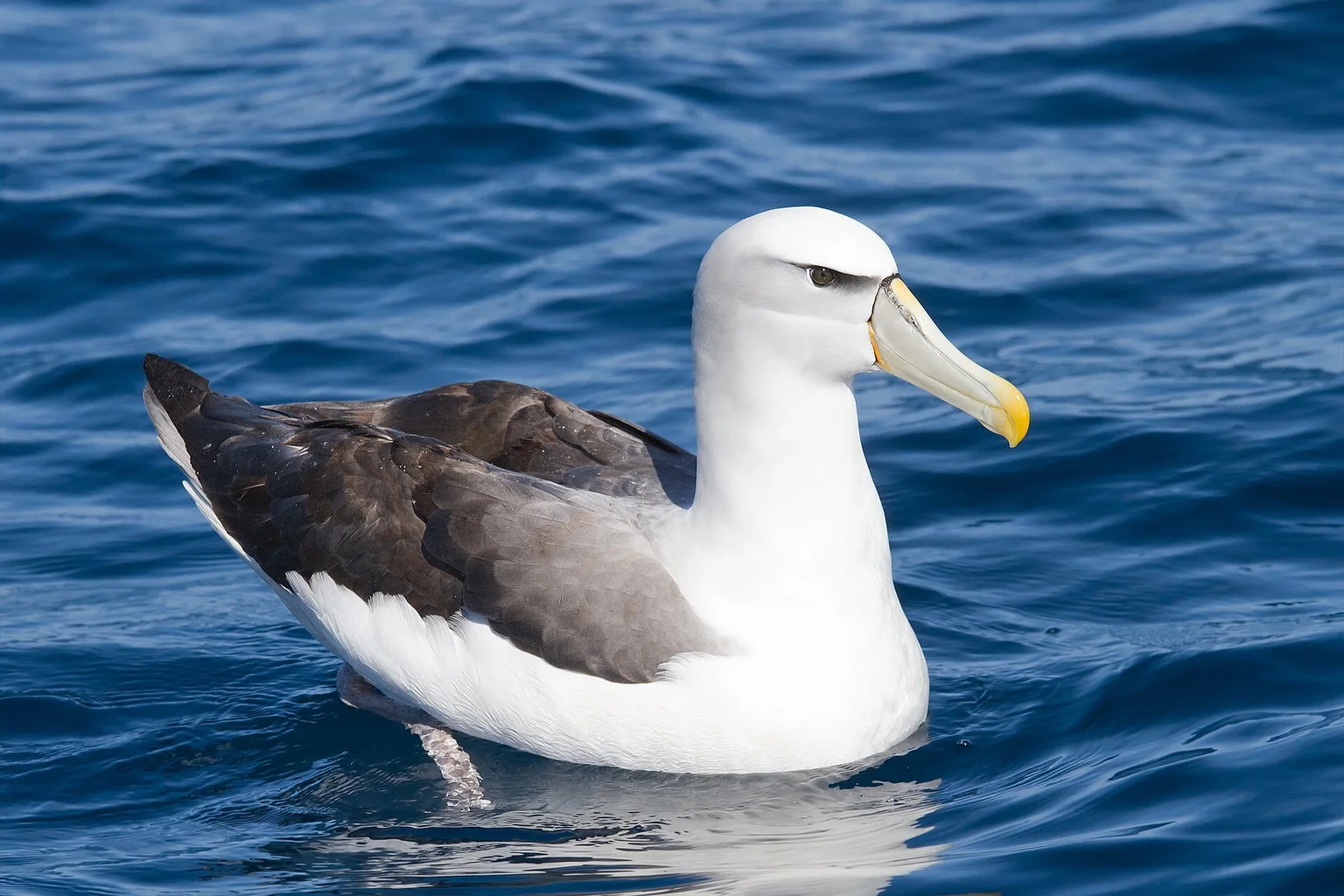
Wildlife workers in Tasmania are catching nesting shy albatrosses by hand to vaccinate them against H5 bird flu.2
Veterinarians and biologists from Tasmania’s Department of Natural Resources and Environment (NRE Tas) have started a three- to four-week pilot on Albatross Island in Bass Strait. They are aiming to vaccinate up to 100 birds during the nesting season.32 That number depends on weather, access and whether two doses can be given safely while keeping disturbance to breeding birds low.1
The species has very few places to go. The shy albatross breeds on only three small Tasmanian islands: Albatross Island, Mewstone and Pedra Branca. Albatross Island is the only one people can reach.2 State and national risk assessments consider the species highly vulnerable to H5 bird flu. No signs of the disease have been seen in its breeding colonies so far.21
“This is the first known attempt anywhere in the world to vaccinate albatrosses against H5 bird flu,” Environment Minister Guy Barnett said in the Tasmanian government’s announcement.1 That world-first label comes from Tasmanian government officials.
Two doses, one nest at a time
Each bird needs two doses, given over three to four weeks, for the vaccination to be considered effective.2 Plenty of wild animals are hard to find twice, let alone dose twice. Barnett said nesting albatrosses are different:
“This is a unique opportunity because these birds can be safely approached while nesting, allowing us to provide the required two doses of vaccine for each bird over a three-to-four-week period and monitor individual birds in a way that’s not possible for many wild species.”1
“Nesting birds are captured by hand by trained departmental personnel experienced in handling albatross,” NRE Tas wildlife biologist Sheryl Hamilton told ABC News.2 Each bird is held while it is assessed, weighed and vaccinated, with an experienced wildlife vet overseeing the work.32
The biologists work in head-to-toe hazmat suits. They mark study birds with temporary, non-toxic paint and put numbered markers at their nests, so each nest effectively becomes a street address for the follow-up appointment.32
The project went through a rigorous assessment, including approval from the state Animal Ethics Committee. It runs under strict permit conditions and biosecurity rules.21
What the pilot will and won’t show yet
Because this is a pilot, there are no results yet on whether the vaccine protects the birds or how the albatrosses handle being caught and held. The team will watch the birds with remote cameras and return visits to see how they respond.21
The bigger question is whether this could ever work for the whole species. “This controlled vaccination program will help inform future decisions about whether a more comprehensive vaccination strategy could feasibly be used at a population level to play a role in protecting shy albatross from the impacts of H5 bird flu,” Hamilton told ABC News.2
Why now
The virus is already in the state. Tasmania recorded its first H5 bird flu case in August 2026, in a brown skua, and has since logged 50 events. There have been no detections in commercial poultry or backyard flocks, and no mass die-offs.32
There are an estimated 15,000 breeding pairs of shy albatross in the world. The International Union for Conservation of Nature lists the species as near threatened, and Tasmania lists it as vulnerable.32
The albatrosses are not the only birds getting shots. In Victoria, little penguins on Phillip Island and at St Kilda are also being vaccinated, and more than 1,500 have received a first dose.3 Australia’s federal government says it has invested almost $2 million since 2024 preparing for vaccination to help protect vulnerable native birds.1
For now, the job on Albatross Island is practical: get two doses into as many birds as conditions allow, then watch what happens.
Did this make your day? Give it a cheer.
Sources
- Building Wildlife Resilience Against Bird Flu (Tasmanian Government release, republished by Mirage News) Tasmanian Government via Mirage News, 2026-10-09
- Shy albatross colony on remote Tasmanian island to receive bird flu vaccine in complex operation ABC News (Australia), 2026-10-14
- Wildlife Biologists Start Vaccinating Shy Albatrosses by Hand, Taking Aim at the Spread of Avian Flu in Tasmania Smithsonian Magazine, 2026-10-15
- Shy albatross vaccinated against bird flu in world-first Tasmanian trial Pulse Tasmania, 2026-10-14