Rescued Bears Bu and Tyapa Are Learning to Be Bears Again, One Gust at a Time
Two brown bears rescued from Dagestan cages have good blood tests at Wild Ireland in Donegal, but neither has yet ventured into the water in their new forest.

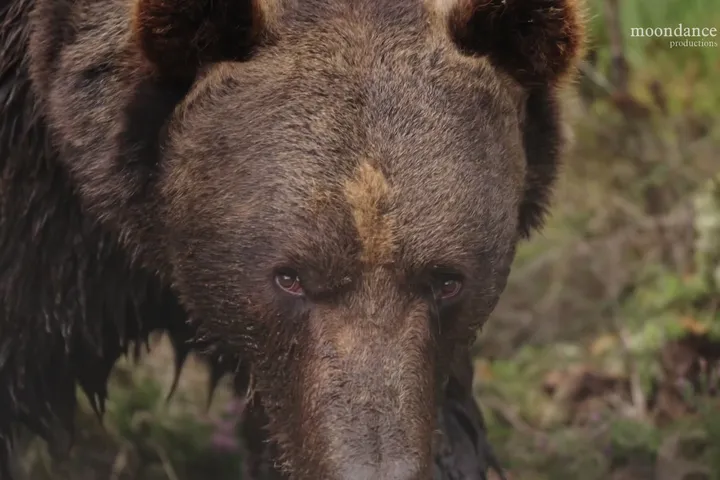
Bu and Tyapa, two brown bears rescued from rusting cages in Dagestan, Russia, are getting healthier but are still nervous in their new forest at Wild Ireland in Burnfoot, County Donegal. Their latest blood tests are good, and their kidney problems have all but resolved, founder Killian McLaughlin told Hooray News in an email interview on Nov. 6.5
The forest itself is the hard part. “Even the wind moving through the trees can frighten them, and neither has ventured into the water yet,” McLaughlin, Wild Ireland’s founder and director, told Hooray News. He said things that should come naturally to a bear are still unfamiliar to them.5
Hooray News first wrote about the pair on Oct. 24, after a rescue that took five years.6 They had been kept at Right to Life, a small dog and cat sanctuary in Dagestan that lacked the facilities for long-term bear care, and they reached Ireland on Aug. 3.1
“Getting them here was one part of the rescue. Helping them feel safe enough to be bears again will take time.” (Killian McLaughlin, told Hooray News)5
How Bu and Tyapa are recovering in the Donegal forest
Both bears arrived severely malnourished, with serious kidney problems that were attributed to prolonged dehydration.1 Wild Ireland says that in their first two months, both gained weight and their coats turned shiny. McLaughlin now describes the kidney problems as all but resolved.15
Their habitat has woodland, water and room to roam, plus smaller houses to retreat to, and dense forest lets them move out of public view. Wild Ireland says they often head back to those houses. Open spaces, swaying trees and deep water still frighten them.1
From cages to a forest. About three months after reaching Ireland, the two bears that left Dagestan malnourished now share a forest in Donegal. Their latest blood tests are good, their coats are shiny and they have put on weight.15
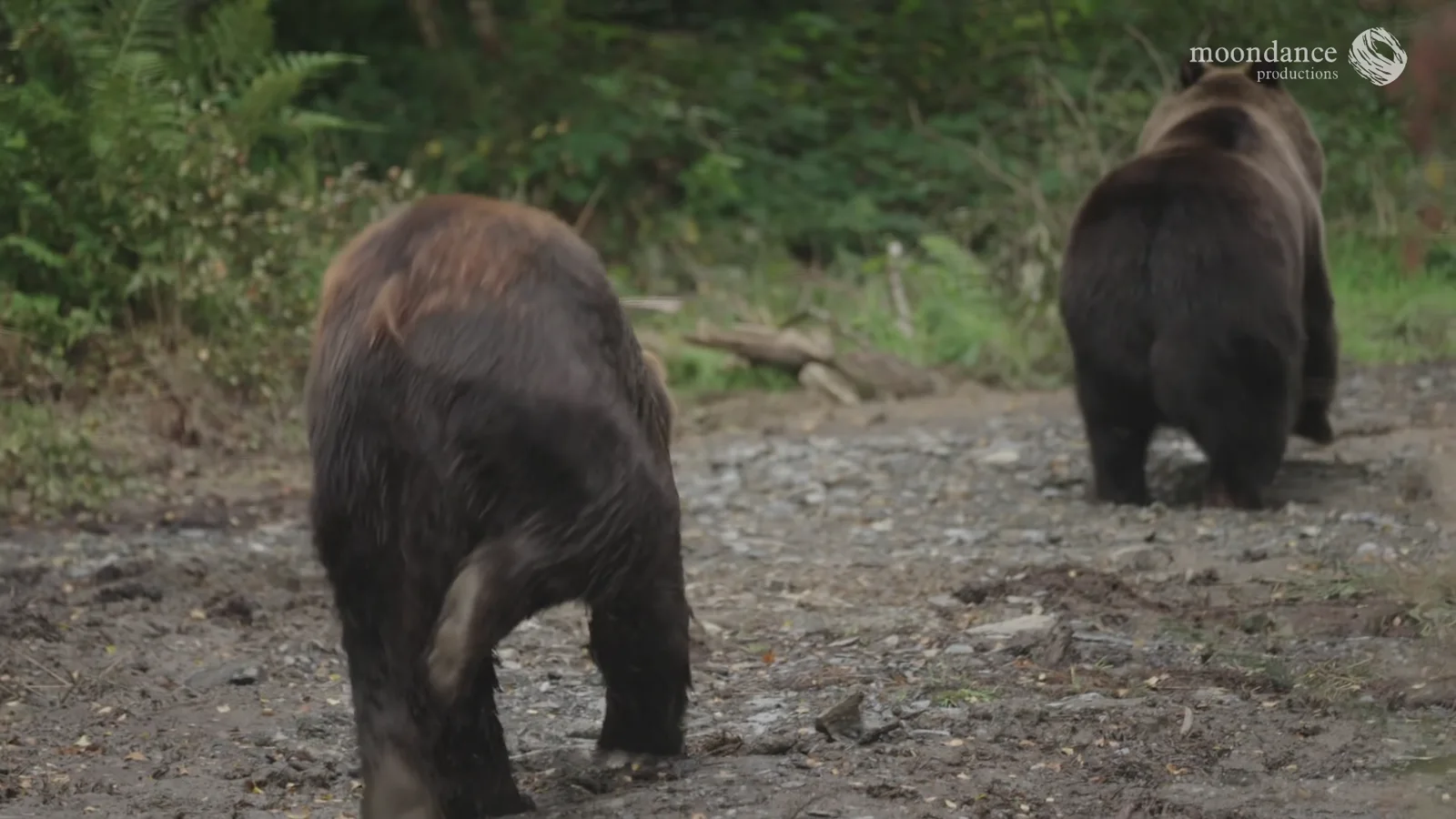
McLaughlin said one photograph has stayed with him: Bu’s paw print in the mud. “The moment that really got me was their first step into the forest,” he said. “After everything she has endured, that footprint represents her first step into a new life.”5
“Bu was initially the braver of the two, but Tyapa’s confidence grows every day, and I think he may have overtaken her now,” McLaughlin said. On food, at least, they agree: both love fish, sweet potatoes and peppers.5
His approach is to give them space, a good diet and care, then let them set the pace. “Their recovery is in their paws now,” he said.5
Five years, two war zones and one cattle lorry
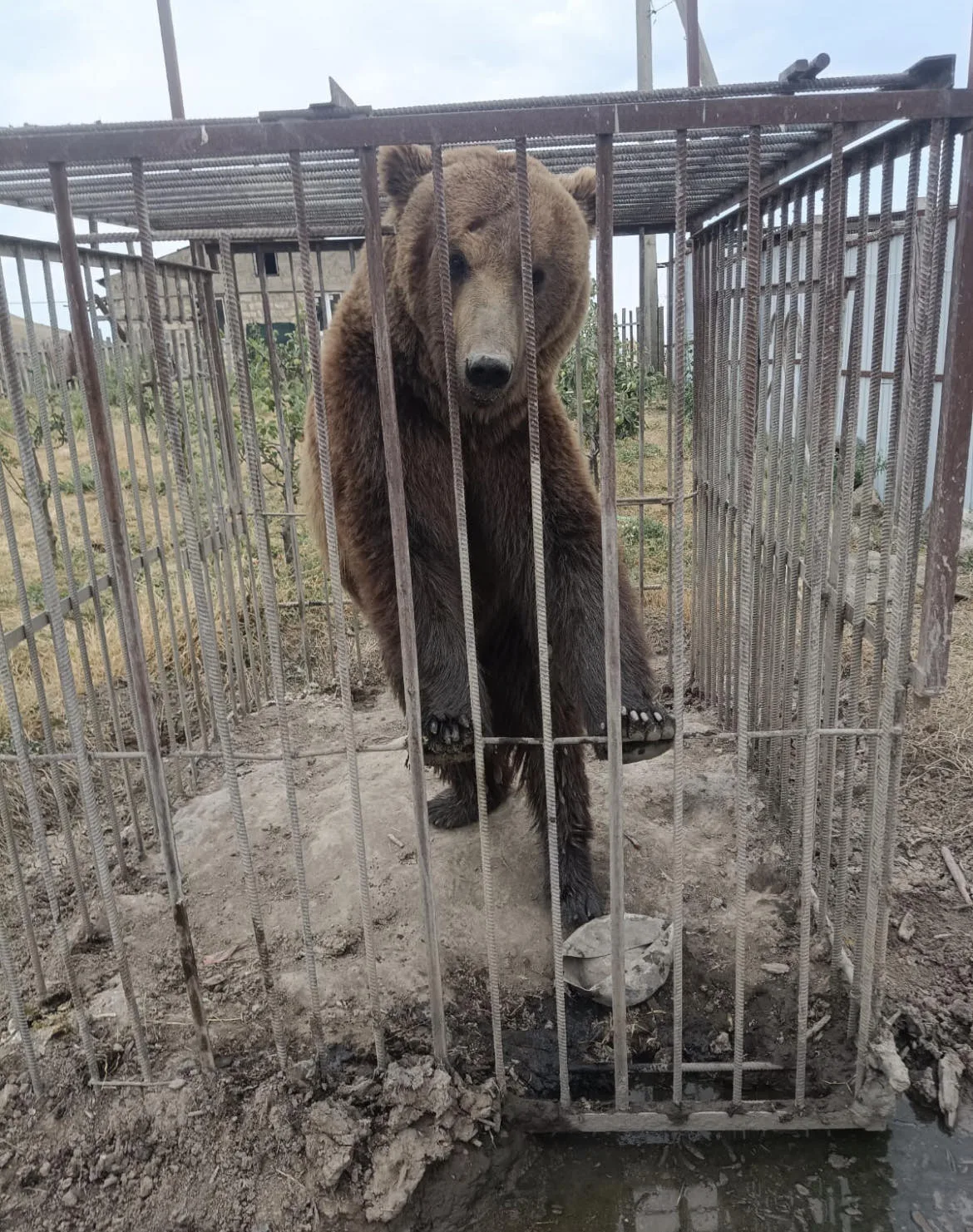
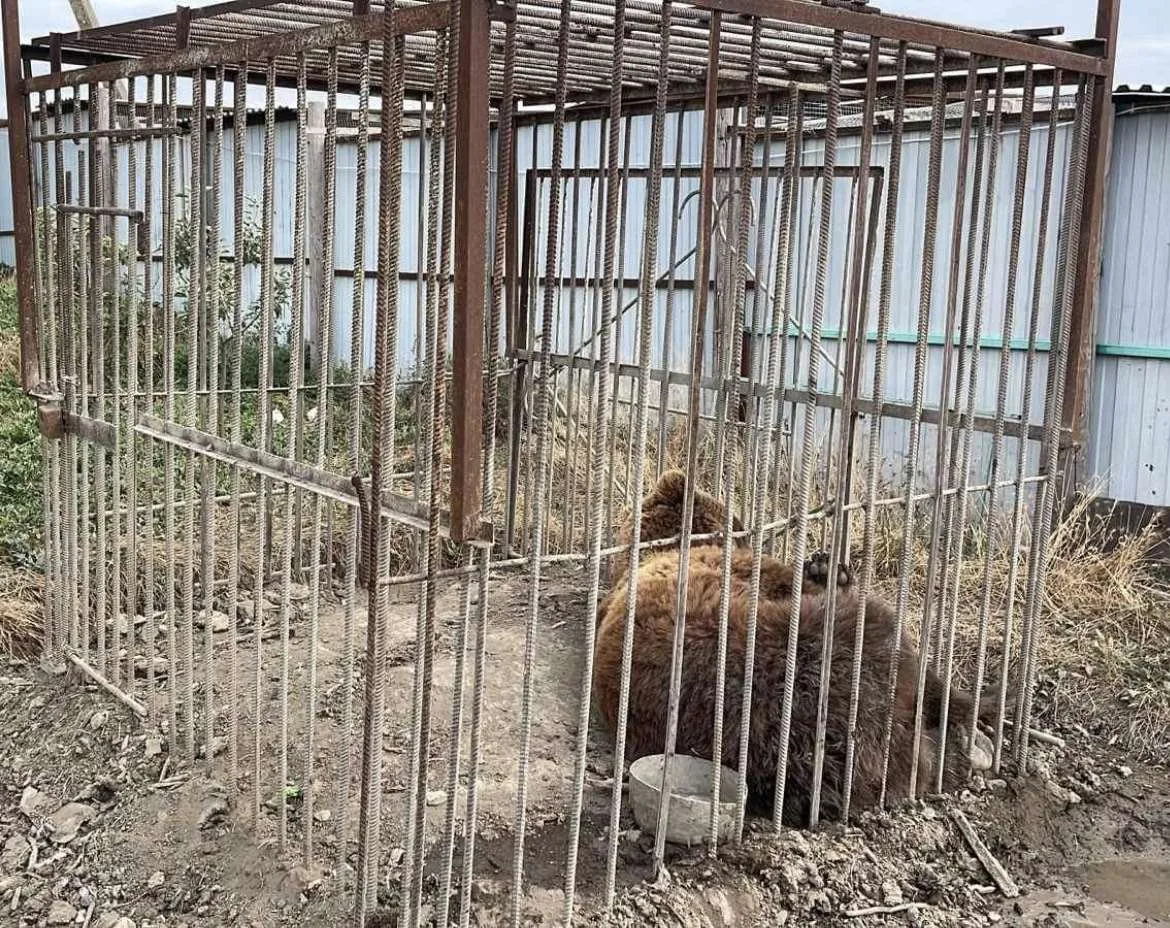
Wild Ireland says Bu is a former circus bear. Tyapa came from a petting zoo where, according to rescuers cited by Wild Ireland, he was being raised to be killed for taxidermy. His cage measured 2.5 m by 2.5 m and stood 2 m high, with no roof and no water dish.1
The plan was to drive the bears out through Ukraine, but Russia’s invasion in February 2022 ended that.1 McLaughlin told Hooray News they instead went north through Russia, on a longer route kept away from the border because of the threat of drones and missiles.5
In late October 2025, Dima and Yana Kim of Tiger House, a sanctuary near St Petersburg, drove 36 hours to Dagestan. The bears were cut out of their cages, sedated, crated and driven another 36 hours back for quarantine and vet care.1 They stayed at Tiger House for eight months. Etihad came on board, but fighting in the Middle East disrupted flights until a safe window opened.5
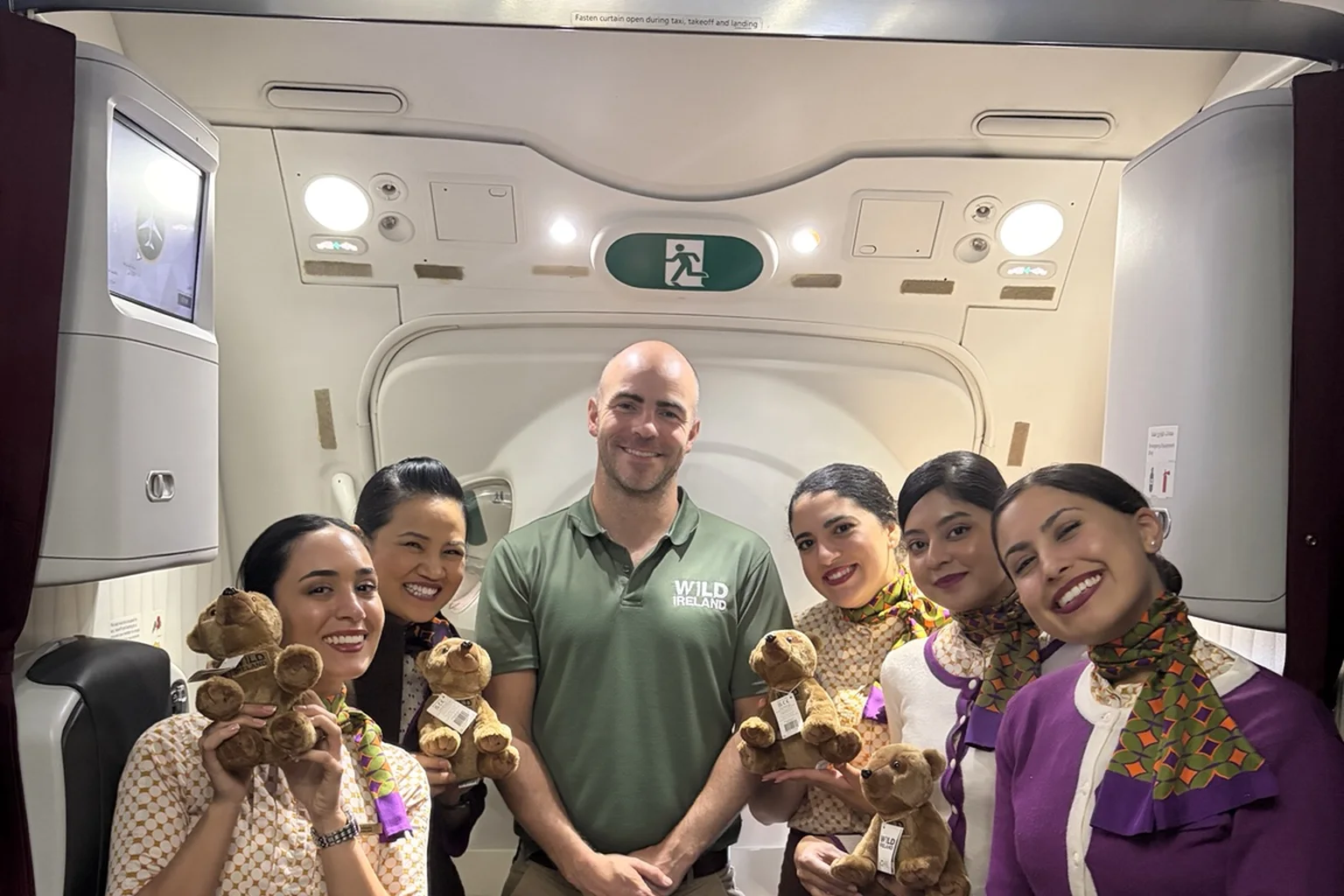
Intradco Global provided animal transport free of charge, and Etihad Cargo flew the bears from Moscow to Abu Dhabi to Dublin at a greatly reduced price, with McLaughlin accompanying them on the flight to Dublin. After all that, the final stretch from Dublin to Donegal was by cattle lorry. The bears left quarantine on Sept. 7.12
McLaughlin confirmed the rescue involved more than 100 people across several countries and a journey of about 13,500 kilometers. He said Wild Ireland now has four brown bears.5 RTÉ reported they are the only living brown bears in Ireland.2
What comes next
Moondance Productions director Shane Brennan and cameraman Paschal Cassidy filmed the rescue from the beginning for a documentary due in 2027.5 In the meantime, McLaughlin said people can follow the bears on Wild Ireland’s social media or support their care with a donation through Wild Ireland’s website.
“Bringing them home was only the beginning; their food, veterinary care and the work needed to give them a good life will continue for years to come,” he said.5
Did this make your day? Give it a cheer.
Sources
- Russian Bear Rescue - Wild Ireland | Wildlife Park Wild Ireland, 2026-10-22
- Dagestan to Donegal: Two brown bears rescued amid war RTÉ News, 2026-10-21
- Wild Ireland 'achieved the impossible' through five-year rescue Donegal Live, 2026-10-22
- Russian rescued bears recover at Ireland wildlife park The Animal Reader, 2026-10-29
- Wild Ireland | Wildlife Park in Donegal | See Wolves, Bears & Lynx Wild Ireland, 2026-11-04
- A Dog and Cat Sanctuary in Dagestan Ended Up With 2 Bears. Rehoming Them Took 5 Years Hooray News (our earlier story), 2026-10-24