Survey: 86% of Americans 50 and Up Don't Feel Free to Spend Their Savings
A Prudential survey finds a lifetime of saving makes spending hard, even for many with $500,000 or more. Having a plan tends to go with more comfort.

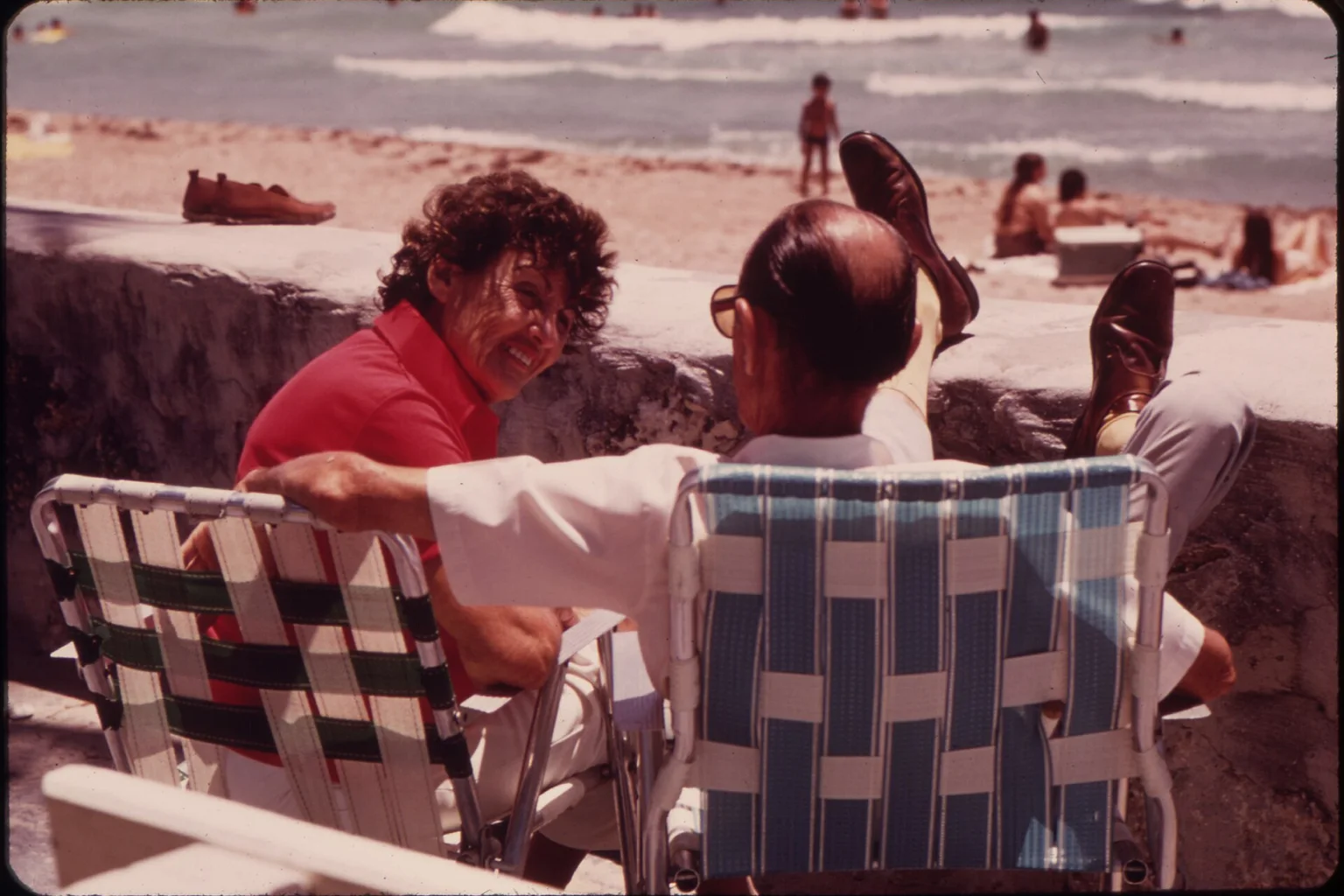
After decades of being told to save, many older Americans are finding that the hard part comes later: spending it. In a Prudential Financial survey released Oct. 1, 2026, 86% of adults aged 50 and older said they don’t feel free to spend their savings on things they enjoy.2
That includes people who look comfortable on paper. Among respondents with $500,000 or more in investable assets, 61% said they still don’t feel comfortable spending for enjoyment.3
This matters because savings are supposed to pay for a life. The survey suggests many people struggle to let the money do that job. “Spending money you worked so long to save can feel like a loss,” Barbara Pietrangelo, a financial planner with Prudential Wealth Advisors, said in the release.2
Who was asked, and the limits
The survey ran online from July 27 to Aug. 2, 2026, with the research firm CloudResearch. It reached 3,023 U.S. adults aged 50 and up, a mix of pre-retirees and retirees, balanced to represent both groups. Along with standard multiple-choice items, it used open-ended conversational questions moderated by AI.2
It is a single survey from one financial company. The 86% covers everyone who answered, not only people already retired. The comparisons below show which attitudes tend to show up together. They don’t show that one causes the other.
What’s holding people back
The top barriers were doubt that Social Security will be there (44%), inflation and cost of living (42%), and healthcare and long-term care costs (34%). Among people with $500,000 or more, market risk was also a factor for 24%.2
Many savers would rather err on the side of leftovers. Forty percent said they would prefer to leave money behind than risk running out, and more than a quarter said they feel proud watching their balance not go down.2
Guilt shows up too. Most respondents reported guilt when spending on extras: 61% for big trips and adventures, 63% for entertainment, and 86% for bucket-list purchases such as a beach house or sports car. (That is a separate 86% from the headline figure.) Another 67% said they find it hard to justify paying for help like housekeepers or gardeners.2
Women were 33% less likely than men to feel comfortable enjoying their savings, and 55% of women, compared with 41% of men, linked retirement with financial insecurity.2
When asked to imagine cost was no object, people named big adventures or travel (43%), hobbies (43%) and dining out (36%) as the spending that would bring the most joy.2 For more than a third, the dream is simply someone else doing the dishes.
What tends to go with feeling freer to spend
These are patterns in self-reported answers, not proven fixes.
- A plan. Pre-retirees with a clear retirement plan were 56% more likely to feel comfortable spending on enjoyment. Savers with a withdrawal strategy, meaning a plan for how and when to draw money from savings, were 52% more likely. Few have either: only 23% of pre-retirees have a clear plan, 16% of all respondents have a withdrawal strategy, and 28% work with a financial advisor or planner. A third don’t know how long their money needs to last, rising to 44% among those with $500,000 or more.2
- Knowing the basics are covered. Fifty-eight percent said they would feel more comfortable spending if they knew their basics, including emergencies, were taken care of.3
- A mindset that lets the money work. Savers with a live-now attitude were 25% more likely to feel comfortable spending, and those who feel they earned the right to enjoy their savings through discipline and hard work were 47% more likely.2 “What stands out in the research is that spending confidence isn’t simply a function of wealth,” David Blanchett, Prudential’s head of retirement research, said in the release.2
People are often wiser about other people’s money. Asked what they would tell a friend afraid to spend, nearly half offered some version of the old line that you can’t take it with you.2
Retirees describe retirement more positively
Retirees were more likely than pre-retirees to describe retirement as freedom (71% compared with 53%). According to the release, retirees also found it more ordinary yet meaningful, and more affordable than they had imagined. That compares two groups at one point in time, not the same people over the years.2
Leib Litman, chief research officer at CloudResearch, described the task in the release as helping people shift “from asking, ‘What if I run out?’ to asking, ‘What experiences might I miss if I never use what I’ve worked so hard to save?’”2
Did this make your day? Give it a cheer.
Sources
- New Prudential research reveals a rising retirement challenge: the license to spend Prudential Financial (news.prudential.com), 2026-10-01
- New Prudential Research Reveals a Rising Retirement Challenge: the License to Spend (Business Wire release via FinancialContent) Business Wire / FinancialContent, 2026-10-01
- Giving Retirees a 'License to Spend' (Lifetime Income Can Help Ease Retirees' Spending Fears) 401(k) Specialist, 2026-10-02