The Government’s Loneliness Advice Includes a Phone Call and a Library
The National Institute on Aging's free guide gives older Americans practical ways to ease loneliness, from taking a class to calling a phone line for local help.

Loneliness and social isolation sound like the same thing, but they aren’t. The National Institute on Aging defines loneliness as the distressing feeling of being alone or cut off. It defines social isolation as having few social contacts and few people to talk with regularly. You can live alone without feeling lonely, or feel lonely in company.1
The institute, part of the National Institutes of Health, keeps a practical guide for older adults and their caregivers on building and keeping those connections. It isn’t new research. It is expert-reviewed advice, last reviewed in July 2024.1
Why it matters
According to a CDC summary of a 2020 National Academies report, more than one-third of adults 45 and older feel lonely, and nearly one-fourth of adults 65 and older are socially isolated. The same summary says social isolation was associated with about a 50% higher risk of dementia. Poor social relationships were associated with a 29% higher risk of heart disease and a 32% higher risk of stroke.34
A JAMA Patient Page offers the hopeful side: better social connection is associated with longer life and better well-being.2
Steps you can start this week
1. Put people on the schedule. NIA suggests setting aside time each day to keep in touch with family, friends and neighbors, by phone, email, text, social media or in person.1
2. Dust off an old hobby or take a class. Finding an activity you enjoy, restarting an old hobby or signing up for a class is a simple way to meet people who share your interests.1
3. Exercise with company. NIA recommends getting active with others and cites a target of at least 150 minutes of moderate activity a week.1
4. Volunteer or join a cause. According to NIA, volunteering helps people feel less lonely and gives a sense of purpose that is linked to better health. People who do meaningful activities with others also tend to live longer.1
5. Learn the tools that close the distance. Video chat and smart speakers can help you stay in touch, and NIA points to tech classes at libraries and community centers.1
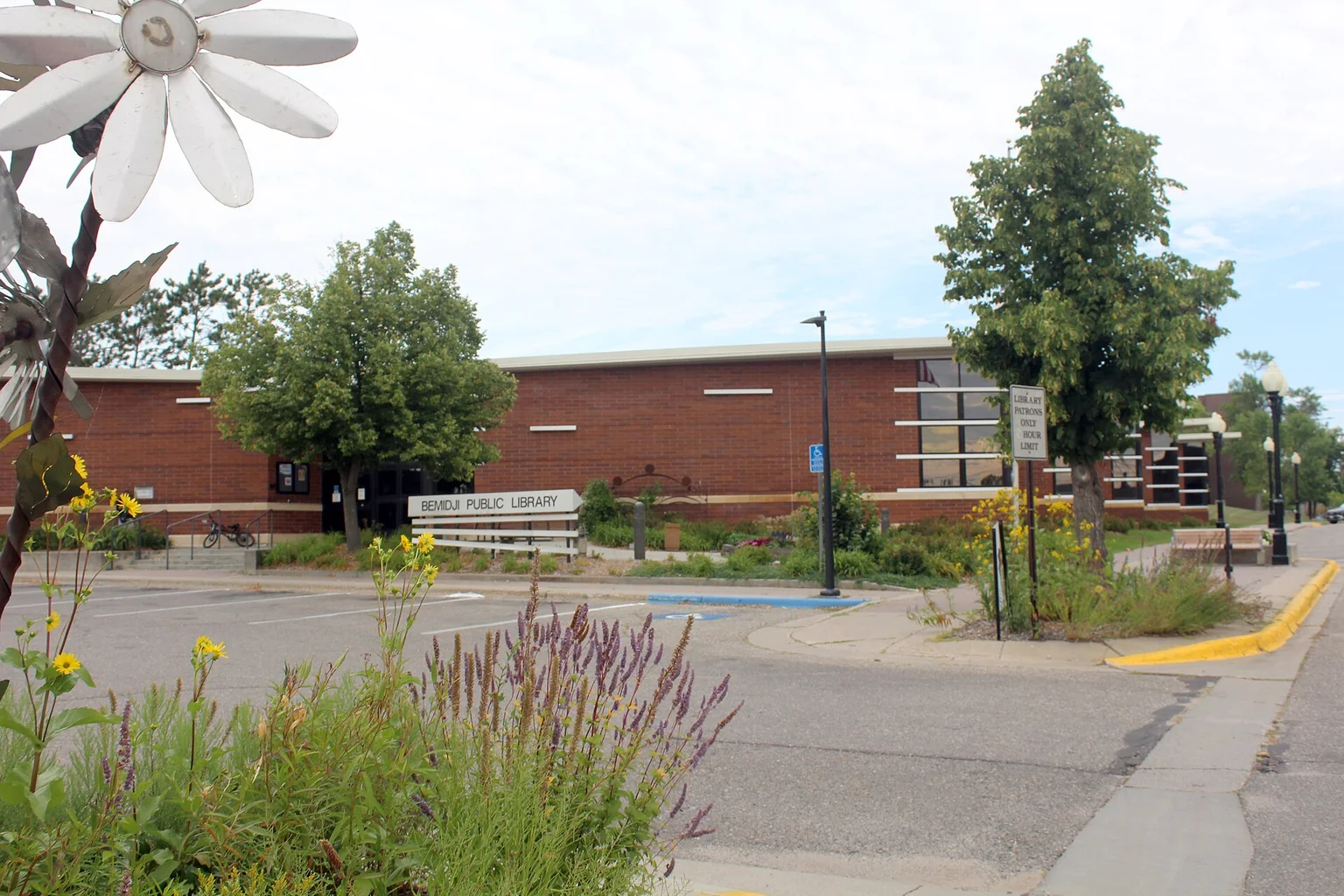
6. Start close to home. Introduce yourself to a neighbor, visit a senior center or library, or join a faith-based group. If you’re able to care for one, NIA also lists adopting a pet.1 For people living alone with dementia, the guide suggests choosing a trusted neighbor as a regular contact and trying support groups or memory cafés.1
7. Tell your doctor. If you feel lonely or isolated much of the time, NIA advises telling your doctor or another health care professional. It also suggests being open about major life changes, such as bereavement or divorce.1
Where to find local help
The Eldercare Locator connects people with local agencies on aging and community-based organizations. Call 800-677-1116 or visit eldercare.acl.gov.1
NIA also lists who is most at risk: people with loss of mobility, vision or hearing problems, people who live alone or lack transportation, and those facing financial struggles, retirement, bereavement or caregiving. Living in a rural or hard-to-reach neighborhood, discrimination and language barriers are on the list too.1
None of these steps has to be big. One standing phone call or one class is a real start.

Did this make your day? Give it a cheer.
Sources
- Loneliness and Social Isolation — Tips for Staying Connected National Institute on Aging (NIH), 2024-07-11
- Social Isolation and Loneliness in Older Adults (JAMA Patient Page) JAMA
- CDC: Loneliness and Social Isolation Linked to Serious Health Conditions (municipal health department bulletin repost of CDC content) City of Newburyport Health Department (reposting CDC)
- CDC: Loneliness, Social Isolation in Older Adults Linked to Serious Health Issues RLS Media (reprint of CDC feature on NASEM report)
- Loneliness, Lack of Social and Emotional Support, and Mental Health Issues — United States, 2022 CDC MMWR, 2024-06-20