Headphones May Ease Post-Surgery Nausea, Even for Patients Who Can’t Hear a Thing
In an early trial of 192 surgery patients, noise-canceling headphones cut post-op nausea from 52% to 35%, though nobody was awake to enjoy the quiet.

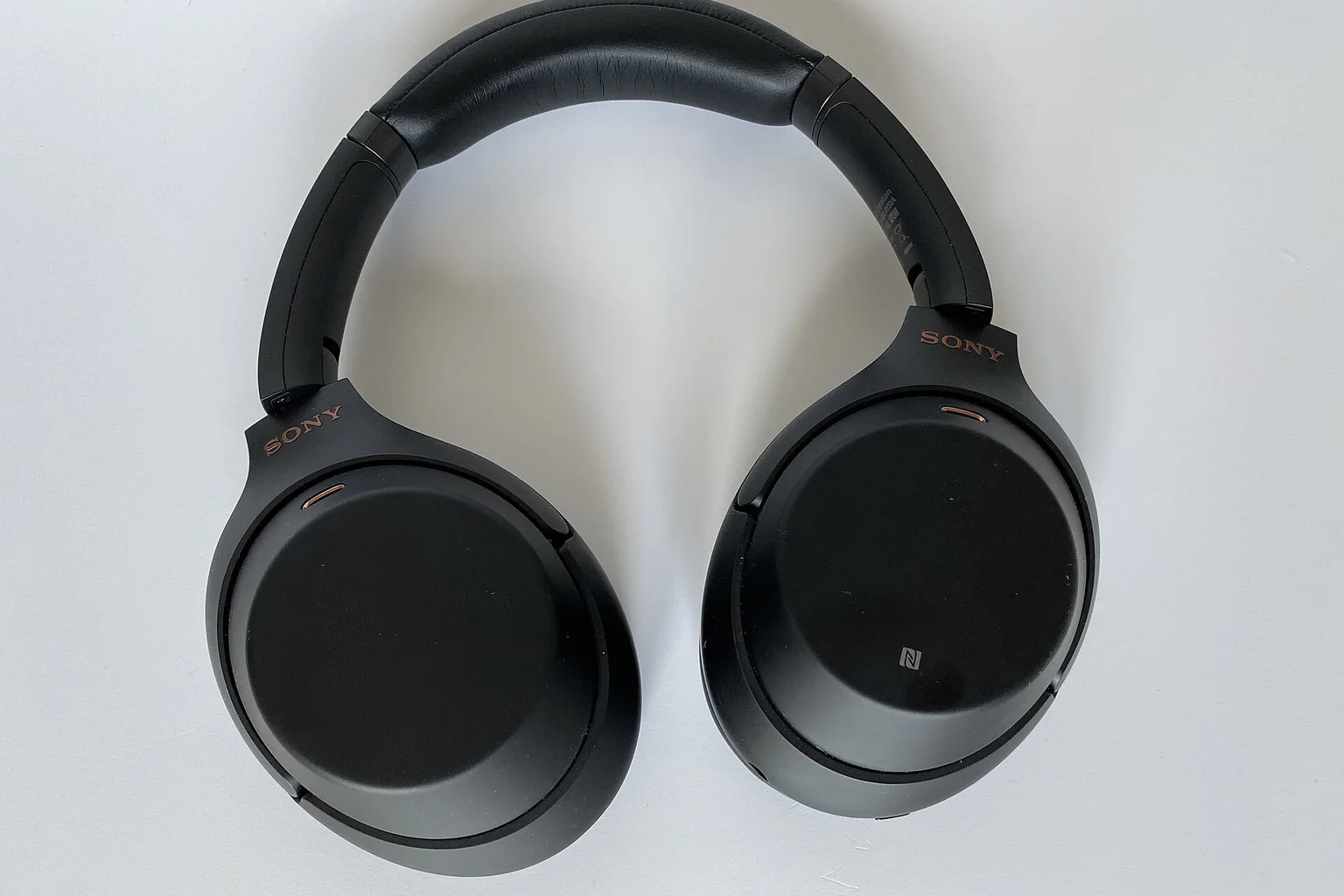
Patients under general anesthesia are not, by design, listening to anything. A team in China put noise-canceling headphones on some of them anyway, and those patients were less likely to feel sick after their operations.1
In a randomized trial of 192 adults having minimally invasive gynecologic surgery, 35.4% of headphone wearers had nausea or vomiting within 48 hours. Among patients without headphones, the figure was 52.1%. The results were presented at the ANESTHESIOLOGY 2026 annual meeting in San Diego, according to a news release from the American Society of Anesthesiologists.1
The result is preliminary. It comes from a conference presentation, not a peer-reviewed paper, and the release notes that conference data may be updated. It still matters because postoperative nausea and vomiting, which doctors call PONV, is one of the most common unpleasant side effects of surgery and anesthesia. It can lead to dehydration, slower recovery, extra medication and longer stays in the recovery room. Minimally invasive gynecologic surgery carries a particularly high risk.1
How the trial worked
The study was led by Huayue Liu, M.D., an anesthesiologist at the First Affiliated Hospital of Soochow University in Suzhou, China. Patients aged 18 to 65 were randomly split into two groups.1
Half wore ordinary, commercially available over-the-head noise-canceling headphones from the start of anesthesia until surgery ended. The other half did not. Everyone got the same anesthesia and the same standard anti-nausea medication, so the headphones were an addition to usual care, not a replacement for it.1
The release describes the difference as a 32% lower risk, or about 17 fewer patients per 100 having nausea or vomiting. Headphone wearers also had milder symptoms in the first 24 hours, and the group saw no increase in adverse events.1 The headphones reduced the problem but did not prevent it. About a third of the wearers still got sick.
“Our findings suggest that simply reducing intraoperative noise could give anesthesiologists another tool to help prevent PONV after surgery, without adding another medication,” Liu said in the society’s release.1
Why quiet might matter to someone under anesthesia
Operating rooms in the study averaged about 66 decibels of sound.1 The patients could not consciously hear any of it. The researchers suggest their bodies may have processed it anyway, in ways that are not fully understood.
“Patients under general anesthesia aren’t consciously aware of what’s happening around them, but that doesn’t mean the brain completely stops processing sound,” Liu said in the release.1
In comments reported by New Scientist, Liu stressed that the team did not study the mechanism, so the idea that the headphones dampen the body’s nausea response is still a hypothesis.4 “Future studies should measure the amount of noise patients are exposed to during surgery and how their brains and bodies respond to better understand whether and how sound may affect PONV,” Liu said in the release.1
What still needs checking
This was a single trial at one hospital, in adults having one type of surgery. The results may not hold for other operations or other patients.3
The benefit was also smaller than the team planned for. The trial’s protocol, registered in advance and published in BMC Anesthesiology in 2025, expected about 45% of patients without headphones and 25% with them to get sick.3 That protocol also noted that headphones during laparoscopic surgery had already been linked to less pain and lower opioid use, while their effect on nausea had not been studied.3
Another trial points the other way. A separate study of 86 patients wearing noise-canceling earmuffs during laparoscopic surgery, designed to measure pain, found no significant drop in nausea and vomiting. It recorded one vomiting case in the earmuff group and four among patients without earmuffs.5
Larger studies, in more hospitals and more kinds of surgery, will need to show whether the effect holds up. If it does, one of the simpler anti-nausea tools in the operating room could be a pair of off-the-shelf headphones.
Did this make your day? Give it a cheer.
Sources
- Wearing headphones during surgery may reduce nausea and vomiting afterward American Society of Anesthesiologists via Newswise, 2026-10-17
- Wearing headphones during surgery may reduce nausea and vomiting afterward Medical Xpress (ASA release), 2026-10-17
- Effect of intraoperative noise isolation on postoperative nausea and vomiting in patients undergoing gynecological laparoscopic surgery: protocol for a randomized controlled trial BMC Anesthesiology (via PMC), 2025-01-01
- Noise-cancelling headphones prevent vomiting after surgery (scraped copy of New Scientist) freeindependentnews.com, 2026-10-17
- Effect of noise isolation with noise-cancelling earmuffs during laparoscopic surgery on acute postoperative pain: a clinical randomised controlled trial PMC (BMC journal), 2025-10-01