Putting Money Aside Each Month Is Linked to Better Sleep, UK Study Finds
A 2024 University of Bristol study of nearly 27,000 UK adults found monthly savers reported better sleep and wellbeing, but it can't show saving is the cause.

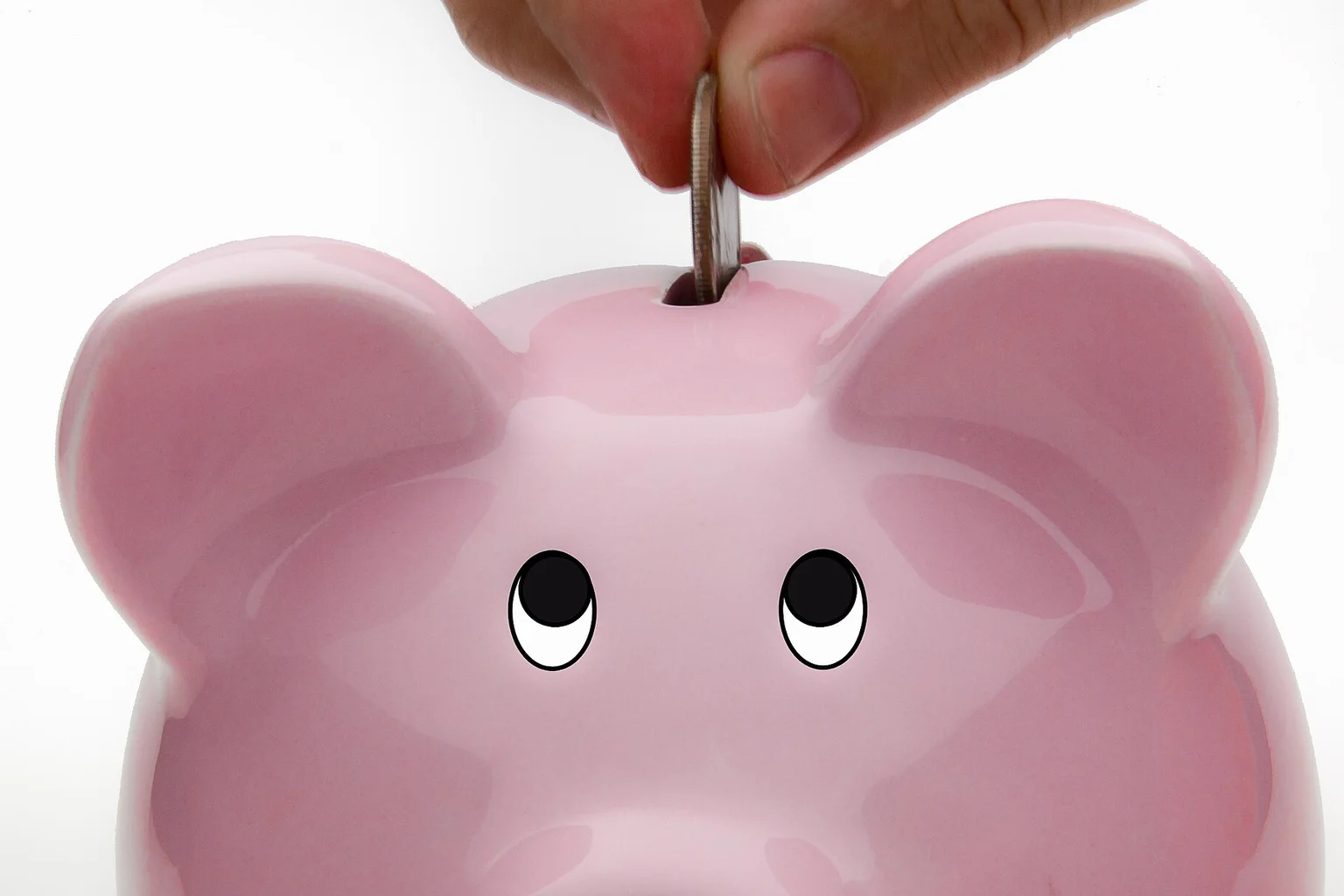
Adults in the UK who set aside money each month reported better sleep, higher life satisfaction and better mental wellbeing than people who saved nothing, according to a University of Bristol report published in July 2024. Researchers Jamie Evans and Sara Davies analyzed survey data on nearly 27,000 adults.1
The research dates from 2024, but Scripps News brought it back into circulation in November 2026.2
The headline number is modest. Among people who saved nothing in a month, 72% rated their sleep as very or fairly good. Among those who saved something, it was 78%.1 The authors are clear that this shows a link, not proof. They wrote that “causality cannot be established from the analyses conducted,” and the relationship may run both ways: people who already feel well may simply find it easier to save.1
What the numbers show
The study drew on Understanding Society, a long-running survey of UK households. The main sample came from 2021-22, and a smaller group of nearly 9,000 adults was followed for 12 years.1
Life satisfaction showed a bigger gap than sleep. Overall, 59% of savers said they were mostly or completely satisfied with life, compared with 47% of non-savers. The figure was 63% for people saving £300 to £399 a month (about $390 to $520).1
The life satisfaction link held up after the researchers accounted for income, age, marital status, health and other factors. A person who was a regular saver in one of six survey rounds had 34% higher odds of high life satisfaction than someone in the same income group who never saved.1
The connection may be strongest for households with the least money. In the lowest income group, 40% of non-savers were highly satisfied with life, against 53% of regular savers. Those low-income savers were about as satisfied as non-savers in the fourth of five income groups.1
The fine print on sleep
Not every saver slept better. People putting away under £50 a month (about $65) reported good sleep 70% of the time, and those saving £50 to £99 (about $65 to $130) came in at 71%. Both were a hair below non-savers. The report suggests some non-savers may be older adults who saved in the past.1
Sleep reached 77% at £100 to £199 a month (about $130 to $260) and 83% at £1,000 or more (about $1,300).1
Some perspective helps, too. The report calls the wellbeing change from starting or stopping saving relatively modest next to losing a job, losing a loved one or moving house, and it says other factors matter more for wellbeing than saving does.1
The work was commissioned by the Building Societies Association and sponsored by Yorkshire Building Society, two savings organizations with a commercial interest in encouraging saving. The authors are independent university researchers.1 “Regular savers tend to feel more optimistic, are more satisfied with life, and sleep better,” Susan Allen, the sponsor’s chief executive, said in the report.1
The data is British, so the results may not carry over to Americans, as Scripps noted.2
What seems to help
The report looked at why saving might matter and how people actually manage to do it. A few findings stand out:
- The habit may matter more than the balance. The report’s central message is to reward the act of saving rather than the size of the pot, and it says even small amounts can ultimately lead to much bigger effects, though the sleep figures above were not clearly better at the lowest amounts.1 Saga quoted co-author Sara Davies saying that saving regularly, rather than the amount, seems to have the greatest impact on wellbeing.4
- Savings may keep bills in check. Among people who saved in none of the survey rounds, 12% were behind on bills in 2021-22. Among those who saved in three rounds, it was 2%.1
- Make it automatic. In a payroll-saving trial, 47% of new workers kept saving when they were enrolled automatically and had to opt out. When they had to opt in, only 1 in 100 stayed in.1
- Nudges can help. Reminders and text messages also increased saving.1
In a 2025 press release, the same Bristol research center said even £10 a month (about $13) builds resilience over time.3
Did this make your day? Give it a cheer.
Sources
- Understanding the role of savings in promoting positive wellbeing (PFRC research report, July 2024) University of Bristol, Personal Finance Research Centre, 2024-07-01
- Want to sleep better? Saving money regularly could help, study finds WPTV / Scripps News, 2026-11-02
- £2,000 in savings reduces the odds of falling behind on bills by 60%, finds new report University of Bristol (press release), 2025-09-25
- Regular saving can help you sleep better, study finds Saga Money News, 2024-07-01
- Understanding the role of savings in promoting positive wellbeing (project page) University of Bristol, Personal Finance Research Centre, 2024-07-01