
Mindfulness Can Start With 1 Minute of Breathing, Mayo Clinic Says
Mayo Clinic's beginner guide to mindfulness needs no equipment or training, just a few minutes a day, with a goal of daily practice for about six months.

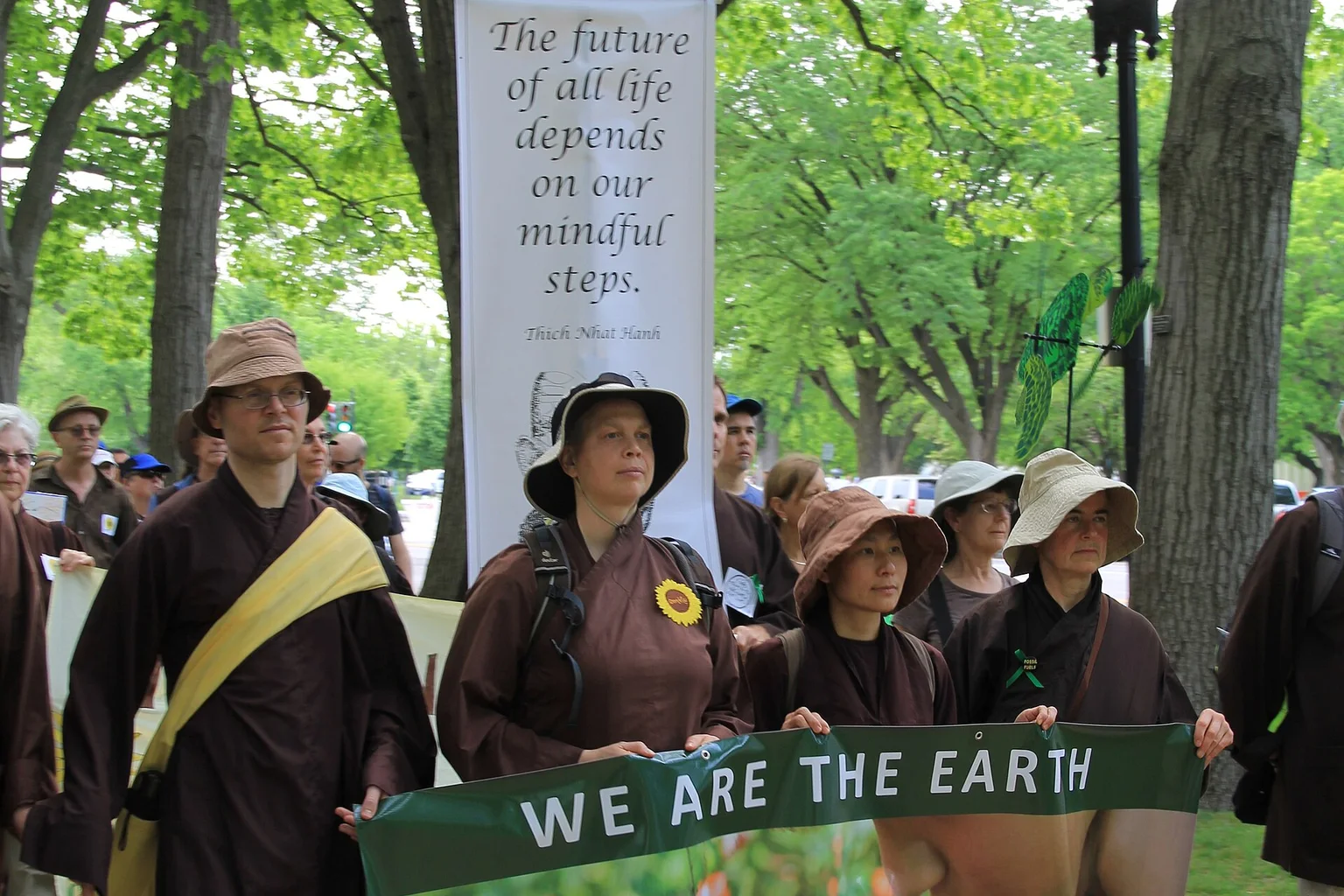
Mayo Clinic’s guide to mindfulness exercises, last updated in January 2026, says beginners need no special equipment or training. The Rochester, Minnesota, medical center recommends starting with a few minutes of focused breathing a day, adding simple exercises like a body scan and mindful walking, and practicing daily for about six months.1
Mayo describes mindfulness as being aware of the present moment, a type of meditation where you notice your thoughts, feelings, body and surroundings without judging them. You don’t have to clear your mind or sit cross-legged for long stretches. You can practice sitting, standing, walking or lying down, which covers most of the positions a person spends the day in.1
Mayo says research shows even 10 minutes of mindfulness makes a positive difference.1 The National Center for Complementary and Integrative Health (NCCIH), part of the National Institutes of Health, is more measured. It says current evidence suggests mindfulness meditation may help reduce symptoms of stress, including anxiety and depression, and may help improve sleep.3
Six ways to start this week
1. Breathe on purpose for one minute. Mayo calls mindfulness breathing one of the simplest places to begin. It says focusing on your breath for just a minute can lower stress and improve clarity, and you can do it walking, standing or sitting. Start with a few minutes a day and add time as it gets easier.1
2. Pay attention to your food. One of Mayo’s everyday suggestions is to use all your senses, for example by slowing down to smell, taste and feel what you’re eating.1 It may be the only health tip that asks you to pay more attention to a sandwich.
3. Try a body scan. Lie down or sit, then move your attention slowly through your body, head to toe or toe to head.1 Despite the name, no machine is involved.
4. Take a mindful walk. Mayo lists mindful walking among its structured exercises and says practice can happen indoors or outdoors, at any time of day.1
5. Check in with the screens off. Mayo suggests a quick check-in with your body after putting screens away, and practicing living in the moment without judgment.1
6. Keep it daily for about six months. For the full benefits, Mayo recommends practicing every day for about six months, its own target, so the habit can start to feel effortless. It also points to community classes and apps for people who want more structure.1
What the research says, and where it’s mixed
Mayo lists a range of benefits it says research supports, including less stress, anxiety, pain and depression, better sleep, lower blood pressure, and better focus and mood. Among the studies it cites is a 2023 JAMA Psychiatry trial that compared a mindfulness-based stress reduction program with escitalopram, a common anxiety medication.1
NCCIH’s summaries back the general picture but flag gaps. A 2014 analysis of 47 trials with 3,515 participants found moderate evidence that mindfulness meditation programs improve anxiety and depression.3 For sleep, a 2019 review of 18 studies with 1,654 participants found mindfulness improved sleep quality more than education-based treatments, but no differently from cognitive behavioral therapy (a structured talk therapy) or exercise.23
Other areas are less settled. A 2020 analysis of 19 studies found no evidence that mindfulness-based therapies reduced the severity of acute pain, and NCCIH says evidence for ADHD is not conclusive.2 NCCIH says meditation is generally considered safe for healthy people.3 Mindfulness is best treated as a habit to add, not a replacement for treatment of a health condition.
The bar to begin is about as low as health advice gets: one minute, and the breath you were already taking.

Did this make your day? Give it a cheer.
Sources
- Mindfulness exercises Mayo Clinic, 2026-01-21
- Meditation and Mindfulness: Effectiveness and Safety National Center for Complementary and Integrative Health (NIH)
- Mind and Body Approaches for Stress and Anxiety: What the Science Says National Center for Complementary and Integrative Health (NIH)