Sleep Research Usually Counts Hours. This One Counted Bedtime Consistency.
A UCSF and UC San Diego study of 23,000 smart-ring users links irregular sleep timing to more depression, anxiety and loneliness, but can't show cause.

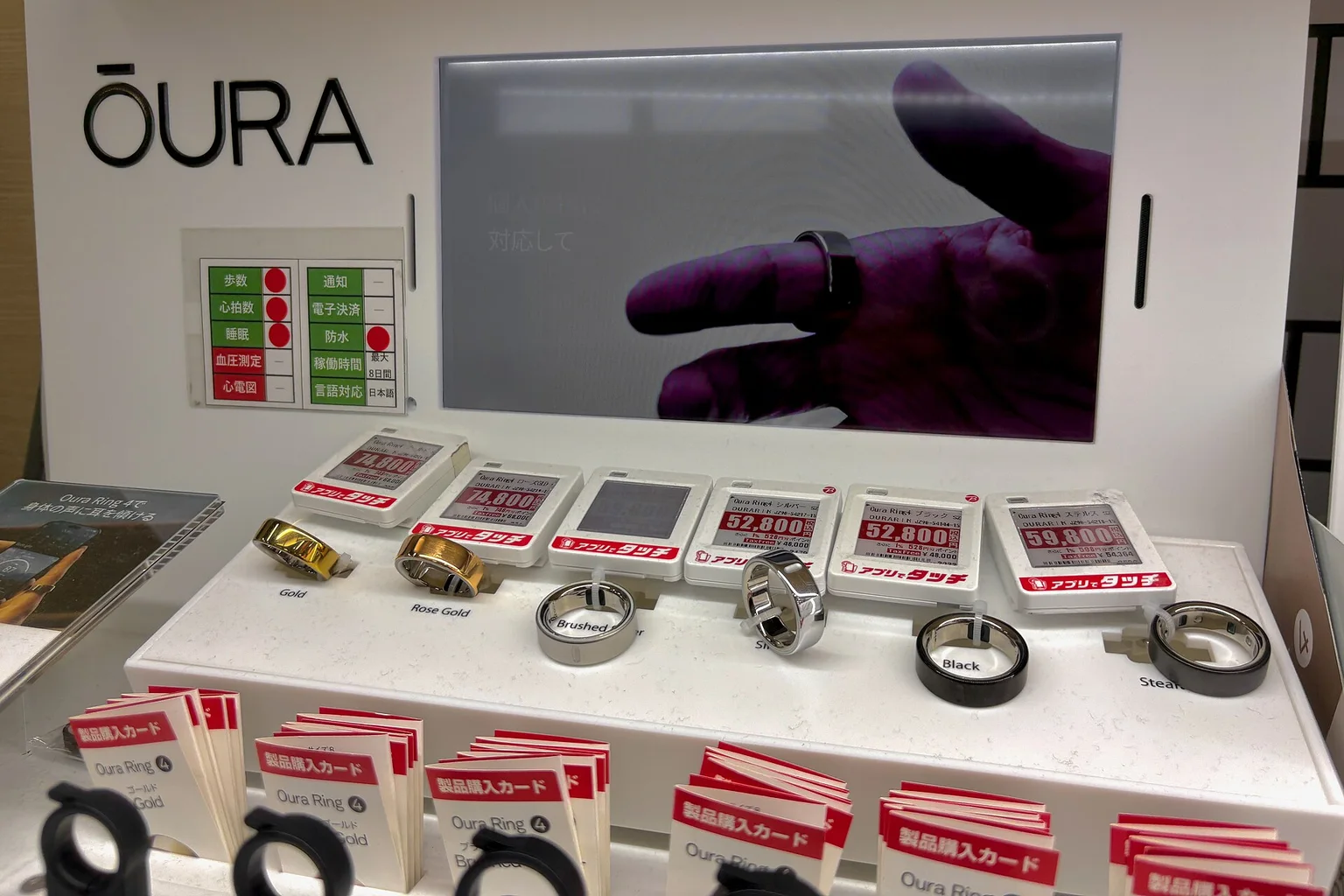
Adults whose bedtimes and wake times shifted more from day to day reported more severe depression, anxiety and loneliness, according to a study led by UC San Francisco and UC San Diego, published in Scientific Reports and announced Nov. 12. The team analyzed smart-ring sleep data from about 23,000 people. The finding is a link, not proof of cause.1
Most sleep research has asked how long people sleep and how well. This study asked a different question: how consistently people keep the same sleep-wake pattern from one day to the next.1 That matters because a steady schedule costs nothing to try.
What the researchers measured
The data came from the TemPredict Study, which followed 22,894 adults who wore smart rings.3 On average, each person contributed 154 days of sleep data and filled out monthly questionnaires about depression, anxiety and loneliness.24
The researchers scored consistency with the Sleep Regularity Index, or SRI, a measure of how closely each day’s sleep and wake timing matches the day before. A lower score means a less regular schedule. The pattern was graded, meaning symptoms grew more severe as regularity dropped.
“Lower SRI was associated with greater depression, anxiety, and loneliness severity in a graded pattern,” the paper’s abstract states, as quoted by Neuroscience News.3
The link was stronger when researchers used months of wearable data than when they used a one-week snapshot.1
What it can’t tell us
The study is observational. It compared people at one point in their data rather than testing a change, so it does not show that an irregular schedule causes worse mental health, or that making sleep more regular would improve it.12 The arrow could point the other way: irregular sleep may be a symptom of depression or anxiety rather than a cause.
The people in the study also weren’t a random slice of the public. They were smart-ring users who signed up for a wearable study. And co-author Benjamin Smarr of UC San Diego disclosed consulting income from Oura Ring Inc., the ring maker, and a direct financial interest in the company.5
Why timing might matter
The researchers point to circadian rhythm, the body’s internal daily clock. “Regular sleep and wake times help keep circadian rhythms aligned,” senior author Ashley Mason of UCSF said in the university’s announcement. “Irregular sleep-wake timing may weaken circadian alignment, which is associated with depression and other mental health disorders.”1
Mason also noted that irregular schedules can disrupt the timing of light exposure, meals, exercise and social activity, which help regulate the circadian rhythm.5
What a steady schedule looks like in practice
The study doesn’t prescribe a target, but the researchers offered a feel for the numbers. These are illustrations, not tested goals:
- An SRI of about 90 could mean going to bed and waking up roughly 30 minutes earlier or later each day, first author Severine Soltani told Newsweek.2
- An SRI of 84 might mean bed and wake times that land about an hour earlier or later than the day before, on average, according to the UCSF release.1
- Wearables could help track it. The researchers say commercial devices and their apps could gather regularity data and suggest ideal bed and wake times.4
Keeping a consistent bedtime and wake time is a low-risk habit to consider, though this study can’t promise it will lift anyone’s mood. Anyone with persistent sleep trouble or low mood can raise it with a doctor.

Did this make your day? Give it a cheer.
Sources
- Could an erratic sleep schedule be harming your mental health? Medical Xpress (UCSF press release), 2026-11-12
- Researchers Tracked 23,000 People's Sleep—a Mental Health Pattern Stood Out Newsweek, 2026-11-17
- Irregular Sleep Schedules Tied to Depression & Loneliness Neuroscience News, 2026-11-13
- Research links poor sleep schedules with depression and anxiety. Your wearable could help fix it. Digital Trends, 2026-11-15
- Irregular Sleep Schedules Linked to Greater Depression and Anxiety in Wearable Study Bioengineer.org / Lab Worldwide (UCSF release), 2026-11-14