Britain's Hazel Dormice Up Nearly 10% in Five Years, Warm Summers May Help
New data suggests hazel dormice in England and Wales rose from 2020 to 2025, a modest rebound after a 59% fall since 2000. Experts say it's no time to relax.

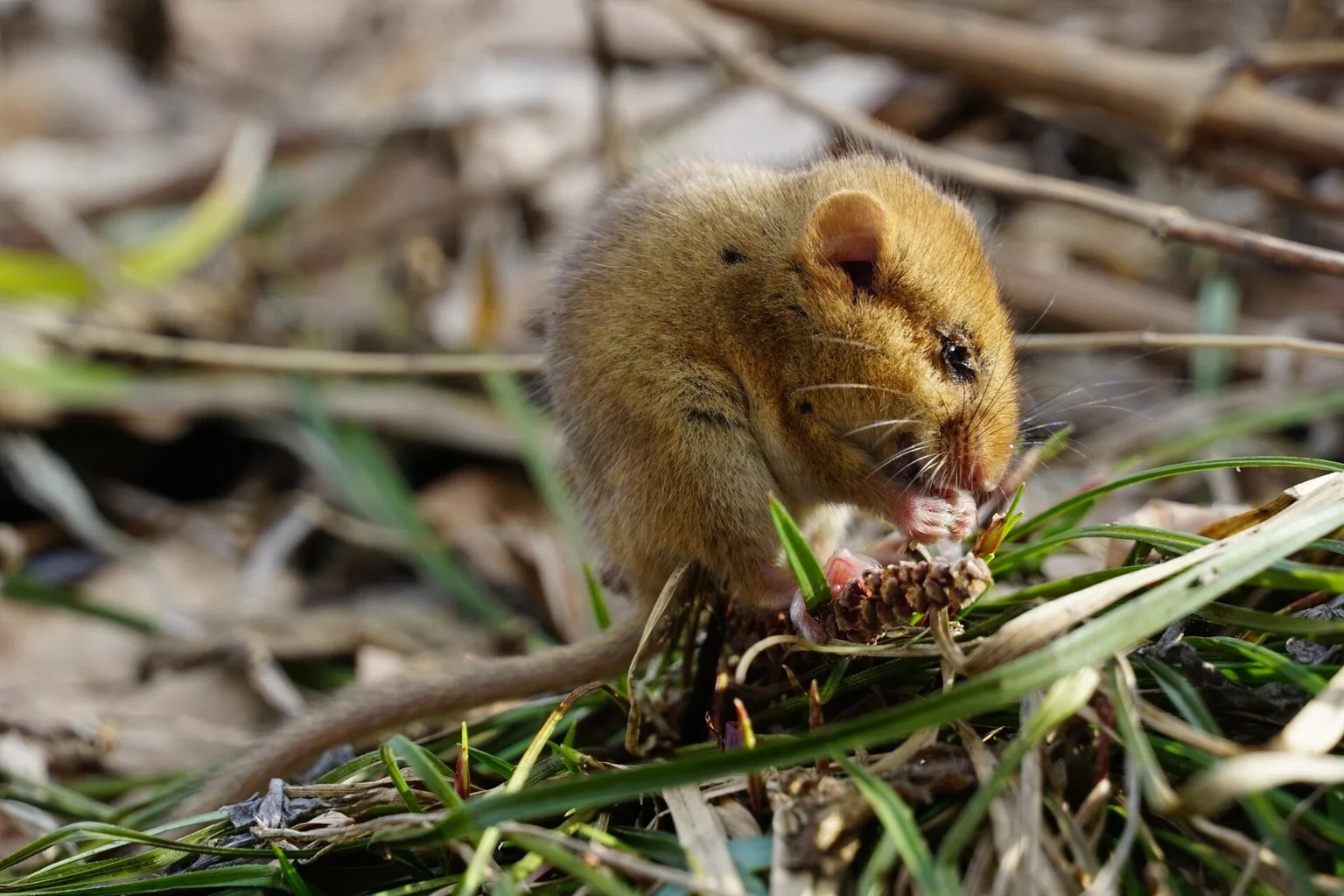
Britain’s hazel dormouse population reportedly rose nearly 10% over the last five years, according to a charity, and new data suggests numbers in England and Wales increased between 2020 and 2025, a period of warmer springs and summers. The findings were reported in early November 2026. The rise follows a decline of about 59% since 2000.23
A rise of nearly 10% is modest next to a 59% fall. An estimated 750,000 hazel dormice are left in the UK, and the species is listed as vulnerable to extinction in Britain on the IUCN Red List, the global inventory of threatened species.2
Why warmer weather might help
Researchers think warmer summers may reduce the time dormice spend in torpor.3 Torpor is a sleep-like state in which an animal lowers its body temperature and slows down to save energy.
Less time spent powered down could leave more energy for feeding and breeding.3 For an animal famous for sleeping, the good news may come from sleeping a bit less.
That explanation is a hypothesis, not a proven cause. Dr Charlotte Armitage, an ecologist who worked on the survey, said uncertainties remain, including how dormice will respond to warmer, wetter winters.3
“This is good news, but we can’t be complacent,” Armitage said, as reported by BBC News.3
She added that conservation work still matters: “We still need to protect their habitat, do more research into the effects of climate change and carry out effective woodland management for the benefit of dormice.”3
Habitat and one place where they thrive
The People’s Trust for Endangered Species, a UK conservation charity, has said dormouse populations have declined since 2000, largely because of habitat fragmentation, meaning woodland broken into small, separated patches.1
In a separate story, BBC News reported that hazel dormice thrive at the National Trust’s Killerton estate in Devon. The estate has 100 nest boxes, which rangers monitor from April to October.1

Did this make your day? Give it a cheer.
Sources
- Dormice 'thrive' at National Trust site BBC News (via Yahoo), 2026-11-08
- Struggling native British animal given boost from hot and dry weather AOL UK, 2026-11-09
- Dormouse numbers may be helped by warmer summers - survey Symplexia Labs (republishing BBC News), 2026-11-08