Greenwich Park Has a Slope Machines and Hands Struggle With. Enter Goats.
The Royal Parks charity is testing whether rare Bagot goats can clear thorny growth below the Royal Observatory and protect a World Heritage view.

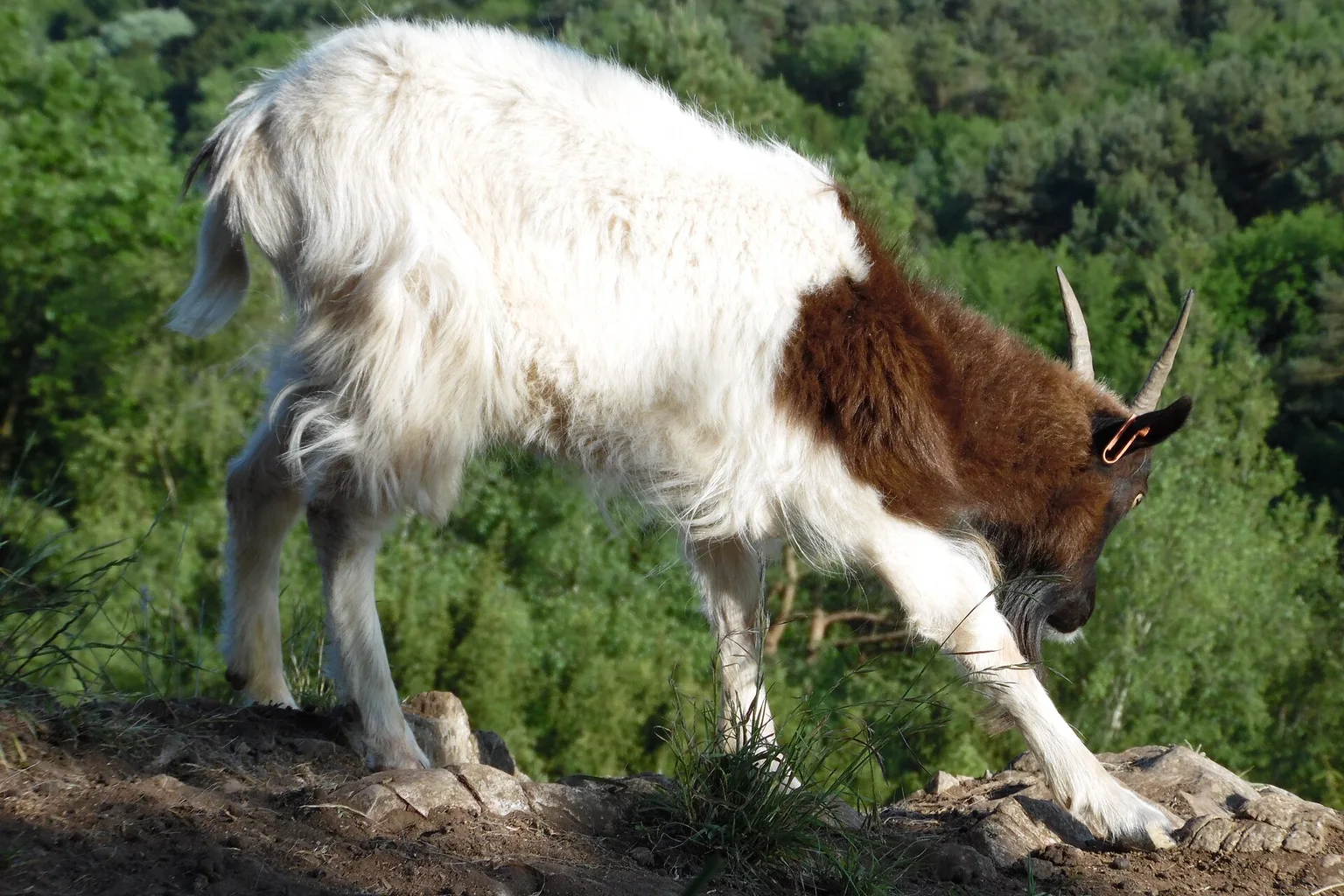
A small herd of rare Bagot goats is grazing Castle Hill Bank, a steep, overgrown slope below the Royal Observatory’s Flamsteed House in London’s Greenwich Park, in a five-day trial that runs until Friday, Nov. 27. The Royal Parks charity wants to see whether the goats can clear thorny, woody growth that is hard to reach, according to a BBC report.12
The point is partly a view and partly wildlife. Clearing the bank helps protect the sightline up to Flamsteed House, and park staff hope grazing will make the slope a better home for insects, birds and small mammals over time. No results have been reported yet.12
A slope that resists machines and people
Castle Hill Bank is steep, and the tough, woody plants and thorny stems on it are hard to tackle with machinery or by hand.13
Greenwich Park manager Clare Lanes said the view of Flamsteed House above the bank is part of what makes the park special as a UNESCO World Heritage Site.2
“But it’s a very steep bank, and managing vegetation to protect that view is a real challenge,” Lanes said, as reported by 10bmnews.3
“We’re trialling a traditional approach by bringing in goats to graze, which we hope will help us protect the landscape more sustainably,” she added.3
Why Bagot goats
The charity describes Bagots as Britain’s oldest native goat breed. They are small and light-footed, which makes them well suited to steep, uneven ground.3
The method is called conservation grazing. It is an old idea: animals eat back the plants that tend to take over, which gives other plants room to grow and supports wildlife.1
Charlotte Cass, who manages The Royal Parks’ Help Nature Thrive project, framed it as a long-term habitat effort. “This project helps create a better, more viable habitat for invertebrates, birds and small mammals in Greenwich Park in the longer term,” she said, according to the BBC report.1
Goats on a day shift
The herd does not move in. The goats are shepherded into the park each morning and taken off site each afternoon, which gives them a working schedule tidier than many commuters manage.2
Visitors can watch them on Castle Hill Bank from 11am to 3:30pm each day through Friday.2
The goats come through a partnership with Mudchute Park and Farm, whose farm manager, Tom Davis, is keeping watch over them. The Rare Breeds Survival Trust is also involved, and the trial is supported by players of the Postcode Lottery.12
Greenwich is not the first London park to try this. Mudchute has worked with The Royal Parks on similar grazing trials elsewhere in the city, including sheep and cattle in The Green Park.14

Did this make your day? Give it a cheer.
Sources
- Goats drafted in to tame Greenwich Park slope (Yahoo-hosted copy of the BBC article) Yahoo News (BBC content), 2026-11-24
- Bagot goats help protect Greenwich Park's historic view of Flamsteed House Maritime Radio, 2026-11-24
- Rare goats drafted in to tame steep Greenwich Park hillside 10bmnews.com, 2026-11-24
- Cows by The Mall Rare Breeds Survival Trust